Table of Contents (10 sections)
Introduction
Becoming an artist starts with mastering the drawing basics. Whether you're drawing for leisure or aspiring to a professional career, understanding the core techniques is vital. Let's explore how you can enhance your skills.
What Are Drawing Basics?
Drawing basics are the fundamental skills and techniques every beginner should learn. This includes understanding line work, shading, perspective, and proportion. Each of these elements plays a crucial role in creating realistic and compelling artwork. According to a study by Art Association, artists who grasp these basics early on produce more advanced work quickly.
Step-by-Step: Getting Started with Drawing
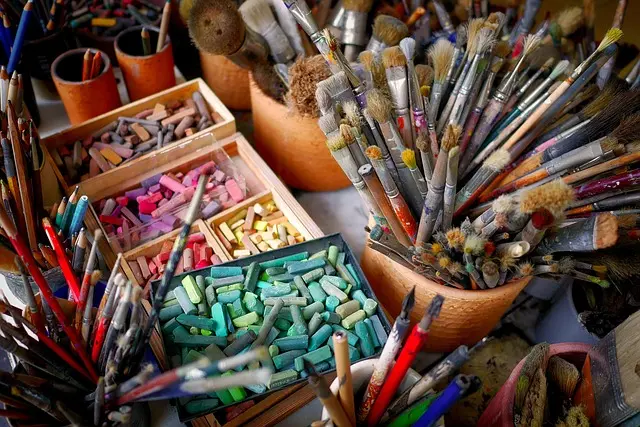
- Gather Your Tools: Start with pencils of varying hardness, erasers, and good-quality paper.
- Learn Line Work: Practice drawing straight and curved lines. Lines define shapes and forms.
- Understand Shading: Experiment with different shading techniques, such as hatching, cross-hatching, and stippling.
- Master Perspective: Use vanishing points and horizon lines to give depth to your drawings.
- Gauge Proportions: Use guides to maintain accurate proportions, especially in figure drawing.
Following these steps can build a strong foundation for further artistic development.
📺 Resource Video
> 📺 For further learning: [Drawing Techniques for Beginners] which provides a comprehensive breakdown of shading and perspective. Search on YouTube: "beginner drawing techniques 2026".
Comparing Drawing Styles
Here is a table comparing three popular styles:
| Style | Characteristics | Difficulty | Popularity |
|---|---|---|---|
| Realism | Detailed, true-to-life representation | High | Widely loved |
| Impressionism | Focus on color and light | Medium | Art enthusiasts |
| Abstract | Freedom in form and color | Variable | Modern art lovers |
Analyzing Trends in Art
The global art industry was valued at over $65 billion in 2025, with a significant portion attributed to art education and tools (Source: Art Market Report). Beginners are increasingly favoring digital tools over traditional media, highlighting the importance of foundational drawing skills in both mediums.
- How can I improve my drawing skills quickly?
Practice regularly and experiment with different techniques. Joining workshops can also provide structured guidance.
- What drawing tools do I need as a beginner?
Start with few pencils of various hardness, good-quality paper, and a blending stump. This basic kit will help you experiment with various techniques.
- Is drawing talent inherited or learned?
While some innate talent can be beneficial, drawing is a skill that can be developed with practice and dedication.
- How to find my drawing style?
Experiment with different styles – realism, abstract, or impressionism. See which resonates with you and feels most natural.
Checklist for Beginners
- [ ] Collect essential drawing tools
- [ ] Practice line work and shading
- [ ] Study perspective and proportion
- [ ] Try different drawing styles
- [ ] Set aside time daily for practice
Glossary
| Term | Definition |
|---|---|
| Line Work | Technique involving the use of different lines to create form |
| Shading | Process of adding gradient or contrast to create depth |
| Perspective | Technique for representing three dimensions on a flat surface |
> 💡 Expert Opinion: According to Raymond Jones, art educator, mastering basic skills opens doors to endless creative possibilities. Focusing on basics strengthens both technical understanding and personal expression.
Closing Thoughts
Mastering drawing basics requires practice and patience. By focusing on the techniques outlined, you prepare yourself for any artistic venture.
Longer practice sessions and innovative experiments will allow you to grow exponentially, solidifying your path to becoming a proficient artist.