Table of Contents (10 sections)
Becoming an artist encompasses more than just a passion for creating; it requires a firm grasp of essential skills for artists. Whether you're an aspiring painter, illustrator, sculptor, or digital creator, mastering these foundational skills is critical for growth and success in the art world. This guide explores the key competencies every artist must develop to thrive, offering practical steps and insights along the way.
1. Drawing Fundamentals
Drawing is often considered the cornerstone of all art forms. It teaches composition, proportion, and perspective, which are essential when crafting any piece. To master drawing, start with the basics:
- Practice sketching daily: Set aside time each day to sketch objects around you. Begin with simple shapes and gradually challenge yourself with more complex subjects.
- Learn about line quality: Experiment with different types of lines, from light to heavy, to convey various textures and emotions in your artwork.
- Utilize reference images: Study from photographs or real life to improve your observational skills, a crucial aspect of drawing.
Many artists recommend using a sketchbook solely for practice to track progress over time. This not only helps refine skills but also builds your confidence. Mistakes are part of the learning process; embrace them and use them to improve.
2. Color Theory
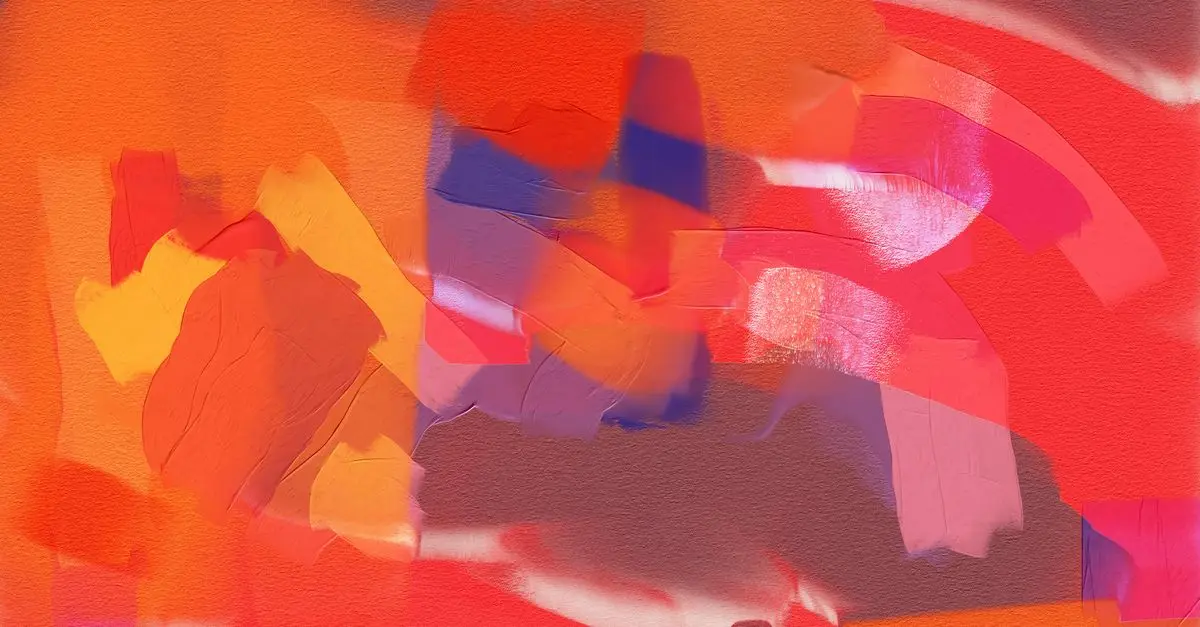
Understanding color theory is vital for artists to create harmonious works. This skill involves learning how to mix colors effectively, understand color relationships, and apply them confidently in your art practice.
- Explore the color wheel: Familiarize yourself with primary, secondary, and tertiary colors. Understanding how these colors interact with each other will enhance your work.
- Learn about color schemes: Experiment with complementary, analogous, and triadic color schemes to see how they affect the mood and composition of your artwork.
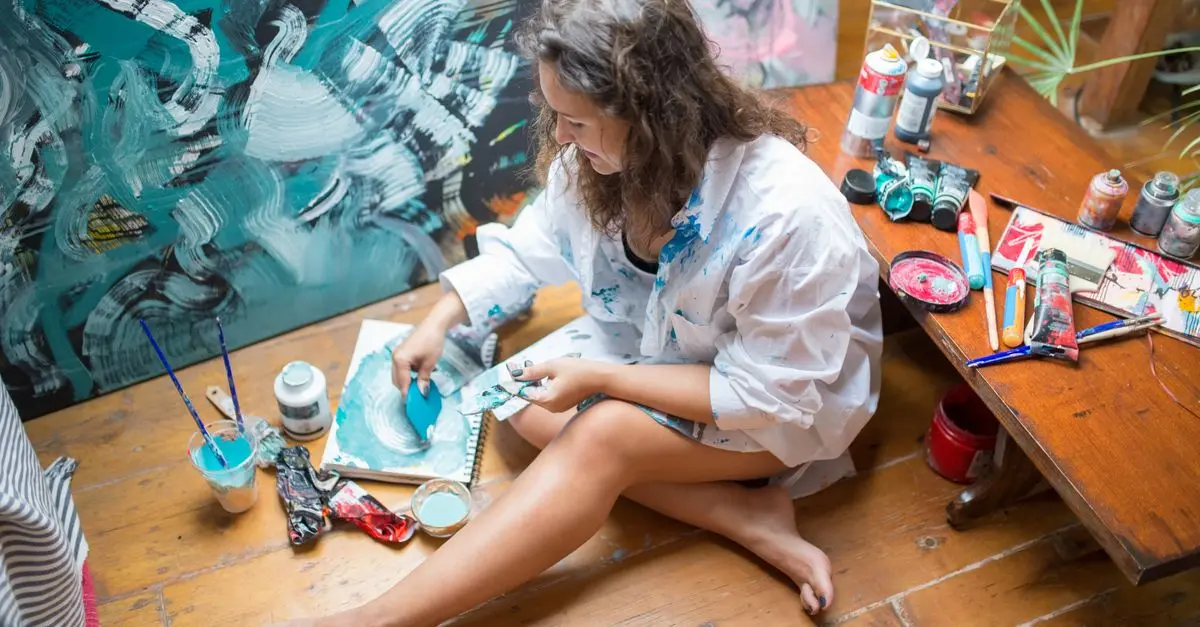
- Practice mixing paints: Use different mediums (watercolor, acrylic, oil) to see how colors behave uniquely based on the medium.
According to studies, artists who master color theory find that their works resonate more deeply with viewers, drawing on emotional connections through effective color usage. Building a solid grasp of this skill can elevate your artistic voice significantly.

Nettoyant moussant Essential Face Wash - 50 ml - Comfort Zone
Blissim FR
Sponsored by Awin Bruno

Nettoyant moussant Essential Face Wash - 150 ml - Comfort Zone
Blissim FR
Sponsored by Awin Bruno

Mushkin Essentials 8 Go 1x8 Go DDR4 260-pin SO-DIMM
Topbiz FR
Sponsored by Guide du shopping
3. Composition Techniques
The arrangement of elements within your artwork creates its overall impact. Strong composition can make a significant difference in how your art is perceived.
- Utilize the rule of thirds: This guideline breaks your artwork into nine equal sections, helping to position focal points effectively.
- Incorporate leading lines: Use lines that draw the viewer’s eye into and around the composition, guiding them through your visual story.
- Balance elements: Consider visual weight and harmony; often the distribution of dark and light areas should complement each other.
Analyzing artworks by master artists can offer insights into their compositional strategies. Notably, artists like Claude Monet and Vincent van Gogh employed unique approaches to composition that are worth studying.
4. Techniques in Mediums
Every artist should explore various artistic mediums to find their preferred form of expression. Each medium has its unique properties:
- Acrylic: Fast-drying with versatility in technique, from washes to impasto. Ideal for beginners.
- Watercolor: Offers translucency and a fluid nature that encourages spontaneity.
- Digital Art: Involves software that allows for limitless exploration and quick edits.
While mastering one medium is beneficial, dabbling in different types broadens your skills and opens new possibilities for creativity. However, each medium comes with techniques to master, such as brushwork in painting or layering in digital art.
5. Art Critique Skills
Being able to interpret and critique art—both your own and that of others—is a crucial skill that helps you grow. Constructive feedback can refine your techniques and expand your understanding:
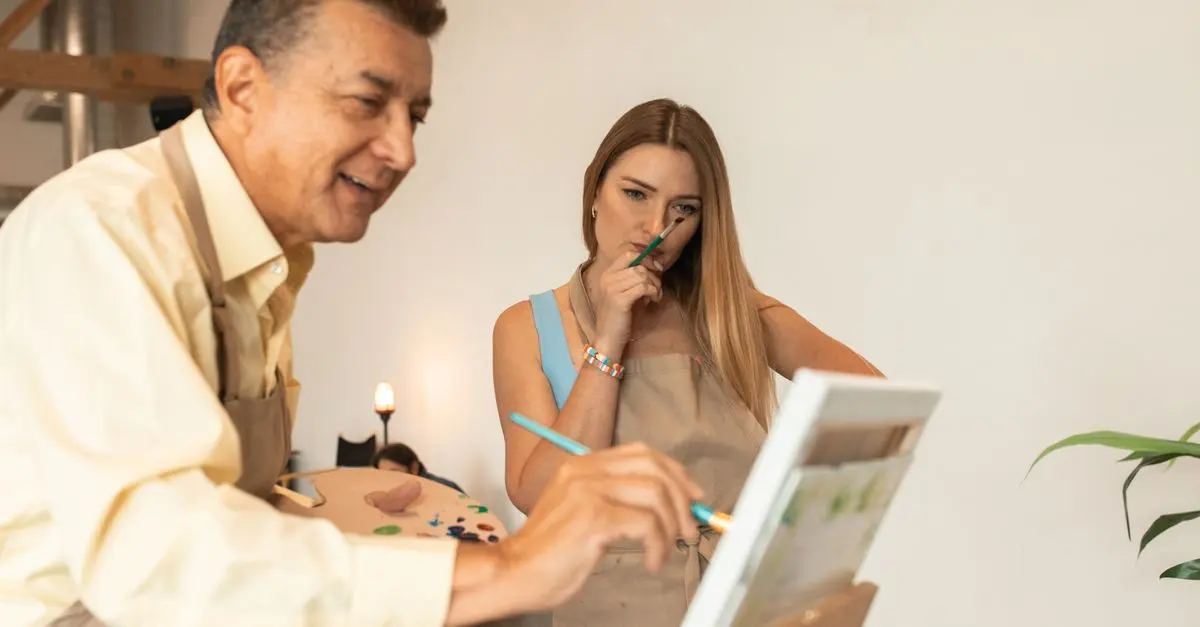
- Seek feedback: Join critique groups where artists can share their work and offer perspectives. Be open to suggestions.
- Learn to articulate your thoughts: When critiquing others, focus on what works and what doesn't, using specific language.
- Embrace reviews of your work: When receiving critiques on your art, listen, reflect, and apply what resonates with you.
💡 Avis d'expert: Engaging with a community of artists provides varied insights that can lead to new avenues for growth, deepening both your technical and conceptual understanding.
6. The Mindset of an Artist
Developing a strong artistic mindset is as essential as technical skills. Creativity requires a collaborative mix of passion, resilience, and inquiry:
- Embrace experimentation: Try new techniques without fear of failure; it can open doors to unexpected results.
- Stay curious: Always look for inspiration around you, from nature to urban environments.
- Cultivate patience: Mastery takes time. Allow yourself the grace to learn at your own pace, and celebrate small achievements.
Checklist of Essential Skills for Artists
- [ ] Daily drawing practice
- [ ] Study color theory
- [ ] Apply composition techniques
- [ ] Experiment with various mediums
- [ ] Engage in art critiques
- [ ] Develop an artistic mindset
Glossaire
| Terme | Définition |
|---|---|
| Composition | L'arrangement des éléments visuels dans une œuvre d'art. |
| Couleur | L'aspect visuel produit par la perception de la lumière ayant des longueurs d'onde spécifiques. |
| Acrylique | Un type de peinture à base d'eau qui sèche rapidement et est apprécié pour sa polyvalence. |
> 📺 Pour aller plus loin : Exploring the Basics of Color Theory, a detailed analysis of color relationships and their impact on art. Search on YouTube:
understanding color theory for artists.
Quiz rapide
> 🧠 Quiz rapide : Which composition technique enhances the focal point in art?
> - A) Rule of thirds
> - B) Color schemes
> - C) Layering
> Réponse : A — Using the rule of thirds effectively positions your focal point within the artwork.
📺 Pour aller plus loin : understanding color theory for artists sur YouTube
Recommended products
Selected by our experts
Nettoyant moussant Essential Face Wash - 50 ml - Comfort Zone
Blissim FR
We recommend this face wash for artists to maintain healthy skin, allowing for better and cleaner application of art mediums.
Sponsored by Awin Bruno
Nettoyant moussant Essential Face Wash - 150 ml - Comfort Zone
Blissim FR
This larger face wash option is perfect for artists who spend many hours working and need to keep their skin clean and fresh.
Sponsored by Awin Bruno
Mushkin Essentials 8 Go 1x8 Go DDR4 260-pin SO-DIMM
Topbiz FR
An essential addition for artists who need reliable memory for storing art software and files.
Sponsored by Guide du shopping