Table of Contents (11 sections)
Artistic techniques are the foundation of any artist's journey, from beginners to seasoned professionals. Mastering these techniques is essential not just for the development of skills, but also for expressing one's unique artistic voice. This guide will take you through the essential steps to master various artistic techniques that will elevate your skills and refine your practice.
1. Understanding Fundamental Techniques
Before diving into specific styles or mediums, it's crucial to familiarize yourself with fundamental artistic techniques. These basic principles include line drawing, shading, color theory, composition, and perspective. By mastering these basics, you establish a solid groundwork that makes it easier to explore more complex methods later on.
Example: To understand line drawing, start with simple shapes, like circles and squares. Gradually, move towards more complex subjects like landscapes or portraits. Take note of how lines can convey emotion or direction within your artwork.
Tip: Practice daily. Set aside a few minutes each day to work on drawing exercises. This consistency leads to gradual improvement.
Common Pitfall: Rushing to create finished pieces without mastering these basics often leads to frustration.
2. Exploring Different Mediums
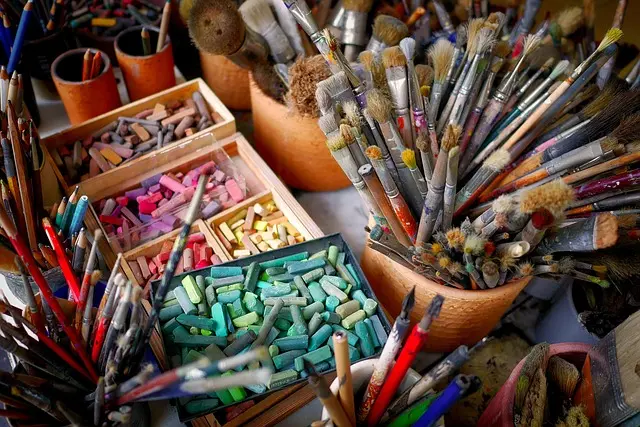
Choosing the right medium can drastically affect your artistic expression. Different artistic techniques involve different mediums such as graphite, charcoal, watercolor, acrylic, and oil paints. Take time to explore each one to find what resonates with you.
Tips for Each Medium:
- Graphite: Ideal for detailed drawings and shading. Experiment with different pencil grades to achieve various textures.
- Charcoal: Great for loose and bold strokes. Using compressed charcoal can yield striking contrasts.
- Watercolors: Offers a soft and fluid way to create color washes; learn techniques like wet-on-wet and dry brush.
Expert Insight: It's common for artists to feel attached to one medium. However, broaden your practice by trying at least one new medium each month, as this fosters creativity and versatility.
3. Color Theory and Application
Understanding color theory is vital for creating visually appealing artwork. Colors evoke emotions and can significantly affect the mood of your painting. Familiarize yourself with the color wheel, complementary colors, and the importance of hue, saturation, and value.
Practical Exercise: Create a color palette based on a theme or emotion for your next piece. For example, use warm colors to express energy and cool colors for calmness.
Common Mistake: Avoid overusing colors without considering harmony, which can make your artwork look chaotic rather than cohesive.
4. Developing Composition Skills
Composition is crucial in visual art as it determines how elements are arranged within the artwork. Techniques like the rule of thirds, leading lines, and framing can help guide the viewer’s eye. Spend time studying the compositions of your favorite artists to understand how they balance shapes and colors.
Example: Try sketching out compositions before jumping into paint. Utilize thumbnail sketches to explore different arrangements quickly.
Pro Tip: Work on several compositions simultaneously. This allows you to compare them and choose the strongest one for your final piece.
5. Practicing Texture Techniques
Texture can add depth to your artwork, making it more dynamic and engaging. Various techniques exist for creating texture, including stippling, cross-hatching, and using different brushes or tools for paints.
Exercise: Experiment with creating texture in a small area of your artwork. For digital artists, leverage layers and brushes to simulate texture.
Common Error: Relying solely on smooth surfaces can lead to uninteresting artworks. Explore rough surfaces and mixed media to enhance texture.
6. Refining Your Style
As you become more proficient in artistic techniques, begin to refine your personal style. Analyze the works that resonate with you and identify what aspects you want to incorporate into your style. For instance, dominant color choices, types of subjects, and your unique approach to light and shadow can define your artistic voice.
7. Seeking Feedback and Evolution
Sharing your work with others is crucial for growth. Constructive criticism can help identify areas for improvement that may not be evident to you. Join artist communities, online forums, or local art classes. Engaging with other artists provides new perspectives and insights that can enhance your skills.
Pro Tip: Don't fear negative feedback; it can be a powerful tool for refining your technique and artistic vision.
8. Checklist Before Starting a New Artwork
- [ ] Have I practiced basic techniques?
- [ ] Which medium will I use?
- [ ] Have I planned my color palette?
- [ ] Is my composition balanced?
- [ ] Am I incorporating texture?
📺 Resource Video
> 📺 For further exploration: Understanding Artistic Techniques, a complete analysis of artistic styles and techniques. Search on YouTube for: "artistic techniques tutorial".
Glossaire
| Terme | Définition |
|---|---|
| Composition | Disposition des éléments visuels au sein d'une œuvre. |
| Texture | Aspect sur la surface d'une œuvre, créée par différentes techniques. |
| Palette | Ensemble de couleurs utilisées dans une œuvre. |
> 🧠 Quiz rapide: What is essential for developing your artistic skills?
> - A) Practicing daily
> - B) Only painting with oils
> - C) Ignoring feedback
> Réponse : A — Consistent practice is crucial for skill development.
By incorporating these artistic techniques into your practice, you'll set yourself on a path to becoming a more confident and competent artist. Remember, the journey is an ongoing process of learning and self-discovery. Happy creating!
📺 Pour aller plus loin : artistic techniques tutorial sur YouTube