Table of Contents (17 sections)
Becoming a proficient artist involves mastering a variety of artistic techniques. This guide aims to provide you with a clear and engaging path to develop these skills effectively. Whether you’re drawing, painting, or pursuing digital art, understanding foundational techniques is crucial for creating impactful work. In this tutorial, we will explore essential techniques and how to practice them step by step.
1. Understanding Artistic Techniques
Understanding what artistic techniques are is vital for any aspiring artist. Artistic techniques refer to the specific methods and processes used to create art. These can range from brush strokes in painting to line work in drawing. Techniques can be broadly categorized into traditional forms like oil painting or new media such as digital art. Mastery over these techniques opens up a world of creative possibilities.
Why Artistic Techniques Matter
Artistic techniques not only help in achieving desired visual outcomes but also aid in conveying emotions and narratives through your artwork. According to a study by the American Psychological Association, artists who effectively use various techniques tend to communicate their messages more efficiently, leading to deeper viewer engagement.
Common Artistic Techniques
- Blending: This technique is often used in painting to soften edges and transitions.
- Hatching and Cross-Hatching: Common in pen and ink drawing, these create texture and depth.
- Layering: In both painting and digital art, layering can add complexity.
2. Step-by-Step Guide to Fundamental Techniques
Step 1: Mastering Drawing Basics
Before diving into more complex techniques, it's essential to have a solid foundation in drawing. Start with basic shapes: circles, squares, triangles. Practice sketching various objects using only these shapes. This method, known as geometric drawing, helps improve your understanding of proportion and perspective.
Tips for Practicing Drawing Basics:
- Dedicate at least 30 minutes daily to sketching.
- Use online resources or drawing apps to analyze proportions.
- Don't shy away from using reference images.
Step 2: Exploring Color Theory
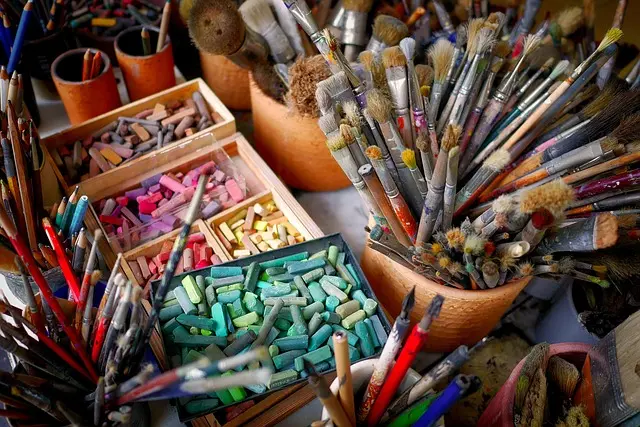
Understanding color theory is crucial for enhancing your artwork. Familiarize yourself with the color wheel, which consists of primary, secondary, and complementary colors. Experiment with blending colors by creating gradients or shades. For beginners, a simple exercise is to create a color chart with pastels or paints.
Common Mistakes to Avoid:
- Relying solely on a limited palette, which can hinder creativity.
- Failing to understand warm vs. cool colors, which can affect artwork mood.
Step 3: Practicing Brush Techniques
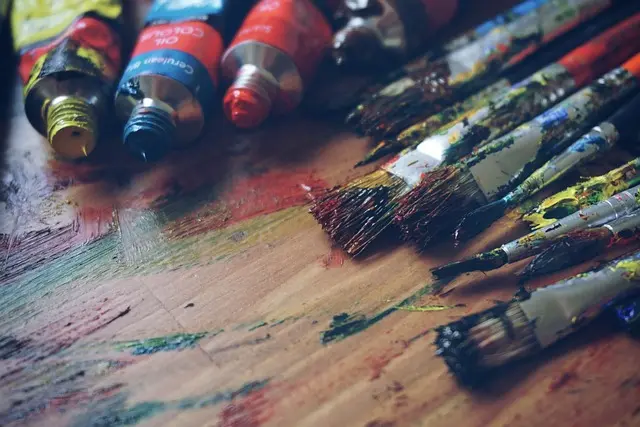
If you're venturing into painting, mastering brush techniques is vital. Take time to explore various brush types and their effects on canvas. Practice techniques such as dry brushing for texture, or stippling for creating unique effects.
Pro Tips:
- Clean your brushes regularly to maintain their shape and prevent cross-contamination of colors.
- Experiment with different pressure to see how it affects the paint application.
3. Engaging with Different Mediums
Step 4: Trying Various Mediums
An artist’s toolkit should include a variety of mediums. This can range from oils, acrylics, watercolors to digital platforms. Each medium offers unique qualities that affect the final output. For instance, acrylics dry faster, making them suitable for layering, while oils allow for more extended blending.
Comparative Analysis of Mediums
| Medium | Drying Time | Technique Suitability | Color Depth | Cost |
|---|---|---|---|---|
| Oils | Long | Blending, Glazing | High | High |
| Acrylics | Medium | Layering | Medium | Medium |
| Watercolors | Short | Washes, Light Effects | Medium | Low |
| Digital | Instant | All Techniques | Variable | Variable |
Step 5: Incorporating Texture
Texture adds depth and interest to your artwork. You can create texture using different methods, including layering paints, using brushes creatively, or incorporating mixed media by adding materials like fabric or paper.
Common Techniques for Texture:
- Impasto: Adding thick paint onto the canvas for a 3D effect.
- Collage: Combining various materials onto your artwork.
- Scraping: Using a palette knife to remove some layers of paint to create an interesting texture.
4. Refining Your Skills Through Practice
Step 6: The Importance of Continuous Practice
Continuous practice is vital in mastering artistic techniques. Create a schedule that allows you to engage with your art regularly. Set specific goals, like improving a particular skill each week. By sharing your progress on platforms like Instagram or ArtStation, you can gather feedback from peers, which encourages growth.
Tips to Stay Motivated
- Join local or online art communities for inspiration.
- Attend workshops or art classes to immerse yourself.
- Keep a sketchbook handy to jot down ideas or sketches daily.
Checklist before you start
- [ ] Understand the basics of drawing.
- [ ] Familiarize yourself with color theory.
- [ ] Explore various painting mediums.
- [ ] Practice different brush techniques.
- [ ] Study texture creation methods.
📺 Resource Video
> 📺 For further exploration: Understanding Artistic Techniques, a comprehensive analysis of effective art practices. Search on YouTube: artistic techniques tutorial 2026.
Glossary
| Term | Definition |
|---|---|
| Artistic Techniques | Methods used in creating art, including drawing, painting, and digital processes. |
| Color Theory | Study of how colors interact and the effects they have on artwork. |
| Texture | Surface quality of an artwork that conveys depth and interest. |
> 🧠 Quick Quiz: Which artistic technique is essential for blending colors?
> - A) Hatching
> - B) Glazing
> - C) Collage
> Answer: B — Glazing is key for blending seamless colors.
📺 Pour aller plus loin : artistic techniques tutorial 2026 sur YouTube