Table of Contents (11 sections)
Understanding Artistic Skills
Artistic skills encompass a broad range of abilities that allow individuals to express their creativity through visual mediums. These skills range from basic drawing and painting techniques to advanced concepts like composition and color theory. Understanding what constitutes artistic skills is essential for aspiring artists. It not only helps in setting the groundwork for one’s artistic journey but also determines the approach one should take toward mastering the craft.
Artistic skills are vital for various professions such as graphic design, illustration, and fine arts. According to a report by the Bureau of Labor Statistics, employment in the arts and design field is projected to grow by 4% from 2022 to 2032. This growth indicates a rising demand for skilled artists who can adapt to different styles and technologies. Mastering these skills is crucial because it enhances your ability to communicate visually and connect with an audience. The journey of becoming an artist involves discipline, practice, and a desire to learn continuously.
Step 1: Explore Different Mediums
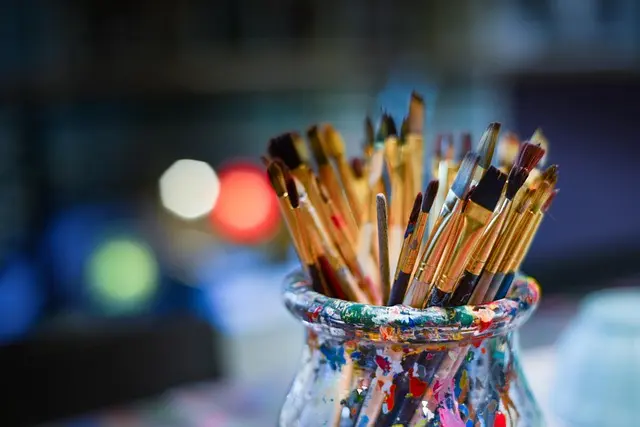
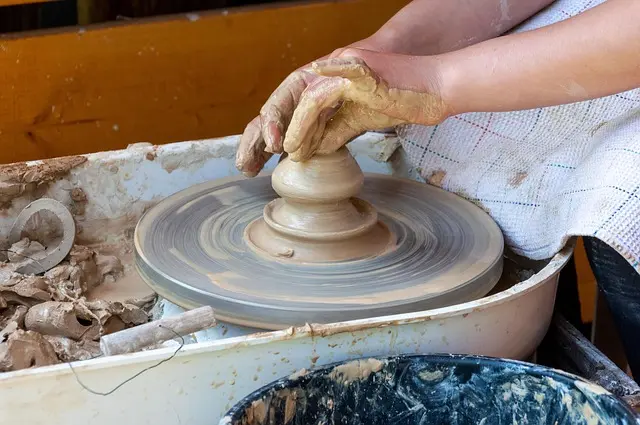
The first step in mastering your artistic skills is to explore various mediums. This includes understanding the characteristics and techniques related to drawing, painting, sculpture, and digital art. Each medium has its unique properties, advantages, and challenges, which can greatly affect your artistic expression.
For instance, if you're a beginner, starting with graphite and charcoal can help you grasp the fundamentals of shading and texture. Watercolors, known for their fluidity and transparency, allow for beautiful washes and subtle color blending, while acrylics are great for their versatility and quick drying time. Digital art tools, such as graphic tablets and software like Adobe Photoshop or Procreate, offer endless possibilities for creativity, making them increasingly popular among young artists.
Experimenting with these mediums not only broadens your understanding of art technique but also helps you identify which materials resonate with your artistic vision. Many artists often find a particular medium they excel in only after trying several. As such, don’t rush through this process; take your time to appreciate the nuances of each medium and document your findings.
Step 2: Master Drawing Fundamentals
Drawing is the foundation of all other art forms. Mastering drawing fundamentals is crucial for developing your artistic skills. This step involves understanding proportions, perspectives, lines, shapes, and forms. It sounds basic, but many aspiring artists overlook these crucial elements.
To improve your drawing skills, start with basic exercises like still life studies, where you can practice making accurate representations of real objects. Techniques such as gesture drawing can enhance your ability to capture movement and form quickly. Artists often recommend a regular practice of sketching from live models or photographs to build your observational skills. The Skillshare platform offers numerous classes on drawing fundamentals that can guide you through structured learning.
An important tip is to keep a sketchbook where you document your daily sketches. This approach not only tracks your progress but allows you to experiment freely without the pressure to create a finished piece. Remember to focus on both accuracy and expression, as both are vital for mastering drawing.
Step 3: Experiment with Color Theory
From the color wheel to various blending techniques, understanding color theory is essential. Color not only adds vibrancy but also conveys emotion and mood within your artwork. Familiarizing yourself with primary, secondary, and tertiary colors will lay the groundwork for more complex concepts such as complementary colors, analogous colors, and color temperature.
As you delve deeper into color theory, practice mixing your own paints to experience firsthand how colors interact with each other. Take advantage of online resources like YouTube tutorials to learn about different color blending techniques. Engaging in exercises like monochromatic paintings or color scheme studies can profoundly enhance your ability to utilize color effectively.
Additionally, analyzing the works of renowned artists can offer insights into their color choices. For instance, Vincent van Gogh often employed bold and dramatic colors to evoke emotional impacts in his paintings. Understanding the psychological effects of color can significantly impact how your work is perceived.
Step 4: Develop Your Own Style
Finding your unique artistic voice is an exciting yet challenging part of the artistic journey. Developing your style requires experimentation and self-reflection. One effective approach is to analyze your influences; consider the artists who inspire you, and determine what elements attract you to their work.
Creating a series of artworks in different styles can help clarify your preferences. Additionally, participating in art challenges, such as the Inktober challenge, can push you to explore themes and techniques that might resonate with your artistic identity. Note that it’s common for your style to evolve over time. Embrace this evolution rather than fearing it, as this flexibility is a sign of growth as an artist.
Don’t hesitate to seek feedback from peers or mentors. Joining art communities, whether online or locally, creates opportunities for constructive criticism. This external perspective can be invaluable as you refine your artistic style.
Step 5: Seek Feedback and Improve
The final step in mastering your artistic skills is establishing a habit of seeking feedback. Constructive criticism can provide crucial insights and help identify areas for improvement that you might overlook. Feedback from fellow artists or instructors can offer different perspectives that inspire further development.
Consider joining local art groups or online forums where you can share your work and receive critiques. Platforms like DeviantArt provide spaces for artists to showcase their work and get feedback from others. Remember to approach critiques with an open mind. Take note of recurring comments; if multiple people point out a particular area for improvement, it’s likely worth considering.
Additionally, self-assessment is crucial. Set specific goals for your art practice and regularly review your progress towards these goals. Reflecting on your own work allows you to identify strengths and weaknesses. Keep learning and adapting your techniques, and always stay curious—this passion for growth is what truly defines an artist.
Checklist to Master Your Artistic Skills
- [ ] Explore various artistic mediums
- [ ] Master basic drawing skills and techniques
- [ ] Learn and experiment with color theory
- [ ] Analyze different artists and develop your own style
- [ ] Seek constructive feedback regularly
Glossary
| Term | Definition |
|---|---|
| Medium | The materials used to create art, such as paint or pencils. |
| Color Theory | The study of how colors interact and their psychological impact. |
| Proportions | The relationship in size between various elements of the artwork. |
📺 Resource Video
> 📺 For further exploration: Artistic Techniques for Beginners, offers an engaging overview of foundational skills and resources. Search on YouTube: "how to develop artistic skills".
📺 Pour aller plus loin : how to develop artistic skills sur YouTube