Table of Contents (14 sections)
Embarking on the journey of becoming an artist can be both thrilling and daunting. To truly express your creativity and hone your skills, it’s crucial to master certain techniques. This article highlights the essential techniques for aspiring artists that will not only elevate your artistic skills but also enhance your overall experience in the art world. Let’s dive into the must-know skills that every artist should acquire.
1. Understanding Color Theory
Color theory is one of the foundational elements of art that can transform your work from ordinary to extraordinary. Understanding how colors interact—such as complementary, analogous, and triadic color schemes—can impact the mood and tone of your art. For instance, using blue and orange together can create a sense of vibrancy and energy, while muted colors can evoke calmness. A practical way to learn this is by experimenting with color mixing and creating palettes that reflect your unique style. According to a study by the Color Association of the United States, artists who effectively utilize color theory in their work tend to engage their audience more effectively.
2. Mastering Drawing Techniques
Drawing is the bedrock of many artistic disciplines. Aspiring artists will benefit from practicing fundamental drawing techniques, such as contour drawing, gesture drawing, and shading. These techniques teach you how to observe, interpret, and represent the world around you. Start by regularly sketching objects in your environment, focusing on proportions and perspectives. Over time, this skill will enhance your ability to create more complex works, whether in painting, sculpture, or digital media.
3. Exploring Composition
Composition is crucial in guiding the viewer’s eye and conveying your intended message. Understanding the rule of thirds, leading lines, and balance can help create visually appealing works. For example, placing a focal point off-center can capture attention and create a more dynamic composition. Consider creating thumbnails or rough sketches to experiment with different layouts before starting your main piece. As mentioned by art educators, strong composition not only enhances aesthetic appeal but also improves narrative clarity in your artwork.
4. Practicing Different Mediums
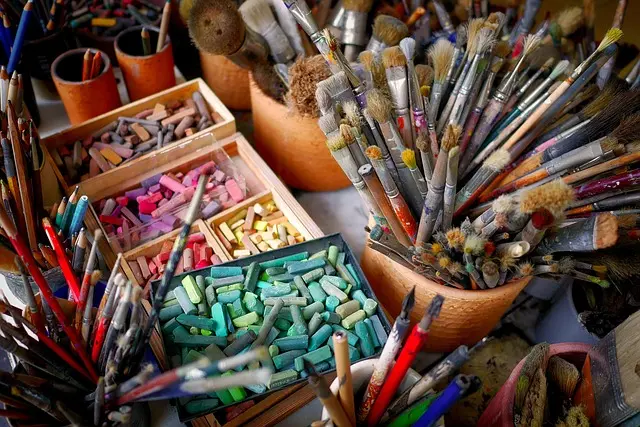
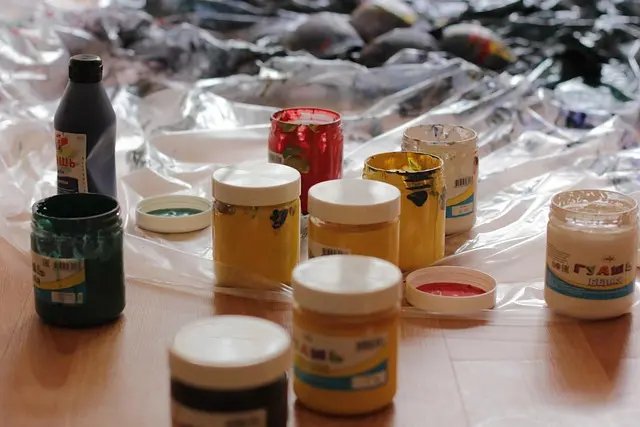
To become a versatile artist, it's important to explore and experiment with various mediums. Canvas, watercolors, oils, charcoal, and digital platforms each offer unique qualities and challenges. Engaging with multiple mediums helps you understand your preferences and strengths while expanding your creative toolkit. For instance, switching from acrylics to watercolors might open new avenues of expression you hadn’t previously considered. According to various artist reports, those who experiment with different materials tend to develop a broader artistic voice and discover innovative techniques that resonate with their style.
5. Studying Art History
An understanding of art history can provide immense context to your artistic practice. By studying influential artists and movements, you'll gain inspiration and technical knowledge that can inform your work. Lessons from historical figures—from Vincent van Gogh to Frida Kahlo—can reveal new approaches to subject matter, technique, and emotional expression. Engaging with art history through museum visits or literature can deepen your appreciation for the artistic landscape, while providing insights into contemporary discussions within the art world.
6. Learning to Critique
The ability to critique—not just your work but also that of others—is a vital skill for artists seeking to grow. Learning how to offer and receive constructive feedback can significantly enhance your development. Participating in workshops or critique groups can provide valuable insights, revealing areas of strength and potential improvement. According to studies, artists who actively seek feedback and implement suggestions see improved results in their craftsmanship and conceptual clarity.
7. Utilizing Digital Tools
In this digital age, digital art tools provide a new realm of possibilities for artists. Software like Adobe Photoshop, Procreate, or even free alternatives like GIMP can help you create stunning artwork, animations, and graphics. Familiarizing yourself with these tools can expand your creative practice and open up countless techniques unique to digital media. Engaging in online tutorials can help you quickly learn the functionalities of these programs, ensuring you maximize your artistic expression in the digital realm.
8. Building a Portfolio
Your art portfolio is essential for showcasing your work and building your reputation as an aspiring artist. A well-curated portfolio should display your best pieces, demonstrating your skills and unique style. Including a range of work—such as different mediums and themes—can attract a broader audience. Consider creating a personal website or online gallery to present your portfolio effectively. Experts suggest that consistent updates to your portfolio not only highlight your progress but also increase your visibility in the art community.
9. Networking with Other Artists
Connecting with other artists can provide motivation, support, and valuable opportunities. Attend local exhibitions, join online art communities, and participate in collaborative projects. Engaging with a network enriches your experience and can lead to potential exhibitions or commissions. Networking is an essential dimension of the art world that can help you gain exposure and establish connections that might propel your career forward.
10. Staying Inspired and Motivated
Every artist faces creative blocks at some point. It’s essential to stay inspired by seeking new experiences, engaging with fellow creatives, and consuming various forms of art and media. Try to incorporate daily routines that foster creativity, such as using a sketchbook, taking short daily courses, or exploring nature. According to research by The Journal of Creative Behavior, artists who maintain a habit of exploration and creativity experience less burnout and more joy in their practice.
📺 For further insights:
Explore videos on YouTube about mastering essential techniques for aspiring artists to gather inspiration and practical tips. Search for "techniques for aspiring artists".
Glossary
| Term | Definition |
|---|---|
| Color Theory | The study of how colors interact, influence feelings, and affect visual perception. |
| Composition | The arrangement of elements within a work of art to create a cohesive and engaging narrative. |
| Portfolio | A curated collection of an artist's work that showcases their skills and artistic style. |
Uplift Essentials Rotatable Adjustable Tablet Stand For IPad And Tablets black 1
inspireuplift.com
Uplift Essentials Tripod Floor Tablet Stand Adjustable Heavy Duty Tablet Support Tripod Floor Tablet Stand Adjustable Heavy Duty Tablet Support
inspireuplift.com
Uplift Essentials Rotatable Adjustable Tablet Stand For IPad And Tablets black 2
inspireuplift.com
Checklist before diving into your art journey
- [ ] Explore different art mediums.
- [ ] Create a daily drawing habit.
- [ ] Study art history for inspiration.
- [ ] Attend local art events.
- [ ] Build and update your art portfolio.
By integrating these essential techniques into your artistic practice, you will cultivate a strong foundation that fosters growth and creativity in your artistic journey. Remember, every artist has a unique path; embrace yours and let your creativity flourish.
💡 Expert Opinion: Engaging with diverse art styles and techniques will not only enrich your portfolio but also deepen your understanding of your artistic identity.
📺 Pour aller plus loin : techniques for aspiring artists sur YouTube
Recommended products
Selected by our experts
Uplift Essentials Silicone T Shaped Eye Patch For Facial Skincare Silicone T Shaped Eye Patch For Facial Skincare
inspireuplift.com


ilyeco 30Pcs Vitamin Leave In Hair Care Essential Oil, Hair Care Capsules Keratin Essence, Protein Smooth Hair Essential Oil keratin
inspireuplift.com