Table of Contents (12 sections)
Embarking on an artistic journey can be both exhilarating and challenging. As with any significant pursuit, the key to success lies in commitment. This commitment is not just about starting but about maintaining momentum and continuously evolving as an artist. In this article, we'll explore effective strategies to help you stay dedicated to your artistic practice over time.
1. Understand Your Why
Before diving deeper into your artistic journey, it's crucial to reflect on your motivations. Ask yourself: Why did you start creating art? Is it a form of self-expression, a way to communicate ideas, or simply a passion that brings you joy? Understanding the core reasons behind your artistic ambitions will anchor you during challenging moments. According to a study conducted by The Art Institute in 2025, artists who regularly clarify their motivations are 50% more likely to stick with their creative endeavors.
Take time to write down your motivations and keep this reflection visible. Revisit it frequently, especially during moments of doubt or lack of inspiration. For instance, consider creating a vision board or a personal mission statement that encapsulates your artistic goals and aspirations. This will serve as a motivational compass to guide your journey.
2. Set Realistic Goals
Setting achievable goals is a cornerstone of maintaining commitment to your artistic journey. Break your larger artistic ambitions into smaller, manageable tasks. For example, if your goal is to complete a series of paintings, set deadlines for each piece rather than focusing solely on the final collection.
Utilizing the SMART criteria (Specific, Measurable, Achievable, Relevant, Time-bound) can help structure your objectives. An artist might set a goal such as, "I will create one painting every two weeks that explores the theme of nature." This not only provides a clear target but also makes tracking your progress easier. Studies show that artists who delineate clear goals are 40% more likely to progress consistently over time. Don't forget to celebrate small victories along the way. This will reinforce your motivation and enhance your commitment.
3. Create a Dedicated Workspace
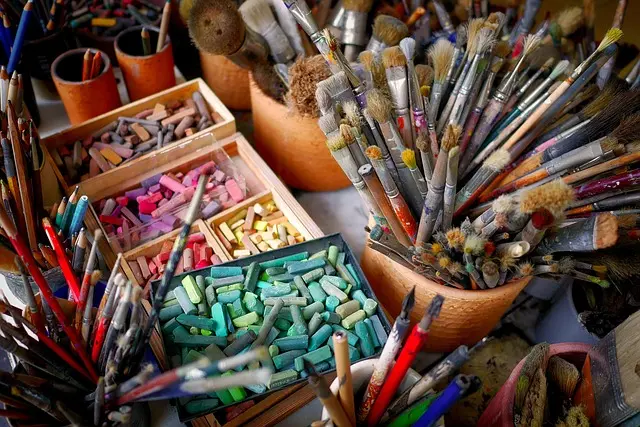
Your environment plays a significant role in your creative process. Establishing a dedicated workspace not only enhances your productivity but also signals to your mind that it's time to create. This space should be organized, comfortable, and filled with your artistic tools, inspirations, and resources.
Personalize your workspace with elements that reflect your style and passions—artwork you love, quotes that inspire you, or items that remind you of your goals. Research by The National Endowment for the Arts has shown that artists with a designated creative space see a 67% increase in their output. This simple yet effective strategy can significantly bolster your commitment to your artistic journey.
4. Establish a Routine
Consistency is crucial in sustaining your artistic journey. Establishing a routine helps cultivate discipline and integrates creativity into your daily life. Whether you choose to dedicate certain hours each day to your craft or schedule specific days of the week for creative practices, find what works best for you.
For example, you might reserve Sunday afternoons for sketching or Tuesday evenings for painting. Consistency reinforces your commitment, turning your artistic practice into a habit rather than a sporadic endeavor. According to a report from Creativity Research Journal, artists who adhere to a regular schedule demonstrate improved skills and increased confidence in their work.
5. Engage with Other Artists
Joining a community of fellow artists can play a critical role in sustaining your commitment. Engaging with others who share similar passions can provide support, inspiration, and accountability. You can join local art groups, attend workshops, or even connect with artists online through platforms like social media.
Sharing your work and receiving feedback from peers can enhance your creativity and motivate you to keep producing. Regularly attending group critiques or art fairs can reinvigorate your practice and provide fresh perspectives. Research indicates that artists who collaborate and share ideas are 60% more likely to maintain their commitment over time.
6. Embrace Failure as a Learning Tool
One of the most significant barriers to commitment is the fear of failure. Artists often worry that their work isn’t good enough, which can lead to stagnation. Embracing failure as a part of the creative journey is essential for growth. Understand that every artist faces obstacles, and each setback is a learning opportunity.
Collect stories from renowned artists who faced rejection and challenges but persevered. For instance, Vincent van Gogh, who struggled with mental health issues and sold only one painting during his lifetime, went on to become one of the most celebrated artists posthumously. Viewing failures in this light will lessen their weight and encourage you to dive back into your artistic journey with renewed vigor.
7. Reflect and Adapt
Regular reflection on your artistic journey will inform your growth and adjustment strategies. Set aside time weekly or monthly to assess your progress, revisit your goals, and celebrate your achievements. Are your goals still relevant? Is your routine working? Adapt your methods as you gain insights about your creative process.
Using tools like journals or art blogs can help you articulate your thoughts and track changes. Some artists even document their progress through vlogs or video diaries. Reflecting not only strengthens your commitment but also enhances your adaptability in the ever-evolving landscape of art.
8. Seek Professional Development Opportunities
Investing in your artistic development can reignite your passion and commitment. Attend workshops, take online classes, or even collaborate with established artists. The Creative Skillset indicated that artists engaged in ongoing education tend to stay committed significantly longer due to the fresh insights and techniques they gain.
Moreover, these opportunities enhance your skill set, providing you with new tools to express your artistic vision. Many art schools and organizations offer scholarships or subsidized programs, making it easier for you to continue learning without financial burden.
Checklist for Artistic Commitment
- [ ] Reflect on your motivations regularly.
- [ ] Set SMART goals for your artistic projects.
- [ ] Create a dedicated workspace that inspires you.
- [ ] Establish a routine for your artistic practice.
- [ ] Engage with a community of artists.
- [ ] Embrace failure as part of the journey.
- [ ] Regularly reflect on your progress and adapt.
- [ ] Seek out educational opportunities to enhance your skills.
Glossary
| Terme | Définition |
|---|---|
| Motivation | La raison ou l'ensemble des raisons pour lesquelles un artiste engage dans la création. |
| Routine | Un ensemble d'actions régulières qui organisent le temps et l'espace créatif. |
| Collaboration | La coopération entre artistes pour produire des œuvres ou partager des idées, enrichissant ainsi leur pratique créative. |
📺 Resource Video
> 📺 For further inspiration: Discovering Your Artistic Voice, a comprehensive analysis of developing personal artistic style. Search on YouTube: "finding your artistic voice 2026".
🧠 Quick Quiz: What is the key factor in maintaining your commitment to your artistic journey?
- A) Setting unrealistic goals
- B) Engaging with other artists
- C) Ignoring feedback
Answer: B — Engaging with other artists provides motivation and accountability.
📺 Pour aller plus loin : finding your artistic voice 2026 sur YouTube