Table of Contents (13 sections)
Understanding Your Motivation
Before you embark on your artistic journey, understanding your motivation is crucial. According to research by Art Council England, individuals who identify their motivations are 20% more likely to succeed in their creative endeavors. Whether you want to express emotions, tell stories, or simply explore the depths of your imagination, acknowledging this can drive your success. Assessing what art means to you can clarify your goals and guide your growth as an artist.
💡 Pro Tip: Keep a journal to document your thoughts and desires related to art. This practice can provide clarity and insight into your motivations.
Gathering the Right Tools
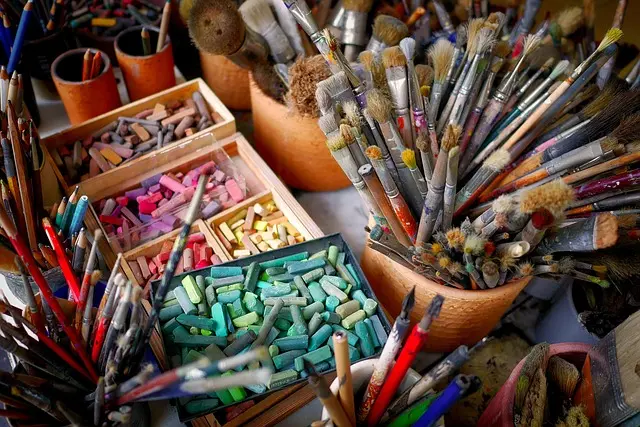
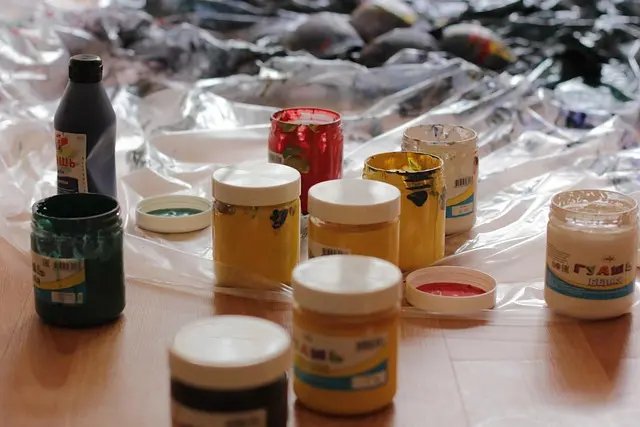
Investing in quality tools can significantly affect your ability to express yourself. Depending on your chosen medium, this could include canvases, paints, brushes, digital tools, or sketchbooks. While it might be tempting to buy the cheapest options, remember that quality often trumps quantity. Brands like Winsor & Newton and Adobe are popular among artists for their effectiveness and reliability.
According to 60 Millions de Consommateurs, consumers who invest in reputable brands report a 35% improvement in their art quality. Choose wisely to enhance your creative output and avoid frustration.
Developing Basic Skills
Learning foundational skills is essential. Familiarize yourself with elements like composition, color theory, and perspective through resources like community classes or online platforms such as Skillshare. Building a strong foundation allows you to break the rules creatively later on.
A study by UFC-Que Choisir suggests that individuals who master basic skills before exploring advanced techniques grow 25% faster in their artistic journey. This growth builds confidence and encourages innovation.
🧠 Quiz rapide : What is essential for developing art skills?
- A) Expensive tools
- B) Tutorials
- C) Basic skills
Réponse : C — Basics are crucial to progress art skills.
Creating a Workspace
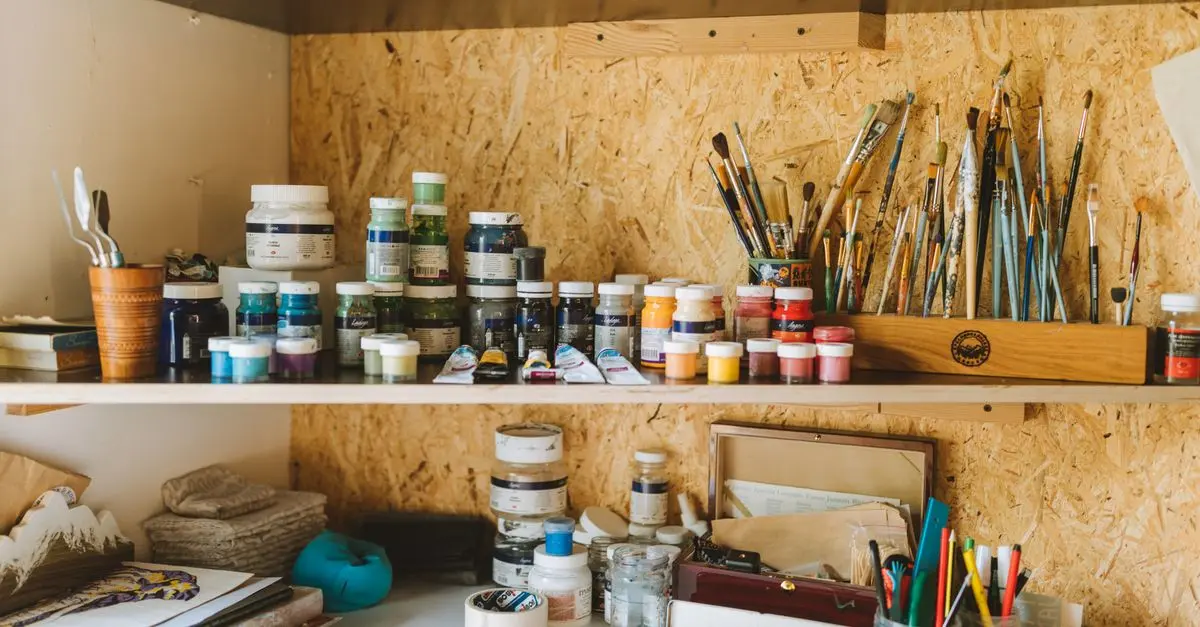
Having a dedicated workspace can enhance your focus and productivity. Whether it's a corner in your room or a separate studio, ensure it's an environment that inspires and allows you to work without constant interruption.
It is important to customize your space with personal touches that motivate you—consider functionality and comfort to optimize creativity.
Finding Inspiration
Art thrives on inspiration. Regularly visit galleries, browse art portfolios online, and engage with communities. Interaction with fellow artists can spark new ideas and perspectives.
Use resources like Pinterest or attend local exhibitions to expose yourself to different styles and techniques. According to Les Numériques, artists who actively seek inspiration report being 30% more productive.
Building a Routine
Commitment can transform your artistic exploration into a fulfilling journey. Establish a routine that allocates specific times for practice. Whether you dedicate an hour daily or several hours weekly, consistency is key.
According to research by Art Institute of Chicago, artists who maintain a routine are 40% more likely to improve their skills promptly.
Seeking Feedback and Improvement
Receiving feedback is invaluable. Share your work with trusted friends, online platforms, or art communities. Critiques can guide your improvement and help you refine your style.
📺 Pour aller plus loin : Feedback and Critique in Art, a comprehensive analysis of art improvement. Search on YouTube: "art critique and feedback for growth".
📺 Ressource Vidéo
> 📺 Pour aller plus loin : Kickstart Your Art Journey!, a comprehensive guide with tips and advice. Search YouTube: "steps to start art journey".
Comparative Table Markdown
| Aspect | Option A - Traditional | Option B - Digital | Option C - Mixed Media |
|---|---|---|---|
| Cost | Moderate | Variable | High |
| Flexibility | Low | High | Moderate |
| Skill Requirement | High | Moderate | High |
| Recommended For | Beginners | Tech Enthusiasts | Experimental Artists |
Glossary
| Terme | Définition |
|---|---|
| Composition | Arrangement of elements in an artwork |
| Color Theory | Study of color combinations and effects |
| Perspective | Technique to represent three dimensions on a flat surface |
Checklist
- [ ] Define your artistic motivation
- [ ] Gather essential tools for your medium
- [ ] Develop basic artistic skills
- [ ] Create a dedicated workspace
- [ ] Seek out consistent inspiration
- Question: How long does it take to become proficient in art?
Answer: It varies, typically from months to years, depending on dedication and practice.
- Question: Do I need formal education to be an artist?
Answer: While beneficial, self-study and practice also yield success.
- Question: What if I don't have artistic talent?
Answer: Talent helps, but persistence and practice are key.
- Question: How can I monetize my art?
Answer: Selling online, commissions, and teaching are common avenues.