Table of Contents (11 sections)
Embarking on your artistic journey can be both exhilarating and overwhelming. Whether you wish to become a painter, sculptor, musician, or any other artist, beginning this path requires not only inspiration but also practical strategies. This guide offers a step-by-step approach to help you kickstart your artistic endeavor and build fundamental skills crucial for success.
Table of Contents
- Introduction to Art and Its Significance
- Step 1: Identify Your Artistic Passion
- Step 2: Gather Basic Supplies
- Step 3: Learn Fundamental Techniques
- Step 4: Practice Regularly
- Step 5: Seek Feedback and Community
- A Quick Checklist for Beginners
- Frequently Asked Questions
Step 1: Identify Your Artistic Passion
Understanding what type of art resonates with you is the first step in your journey. This might be a specific medium such as painting, drawing, photography, or even conceptual art forms like installation or performance art. Take time to explore various art forms. For instance, attend local galleries, watch tutorials, or read art books to find what excites you the most. According to a survey conducted by The Art Institute, 45% of artists began their journey by experimenting with multiple forms before settling on their preference. You might discover that you love the vibrancy of watercolor painting or the depth of charcoal sketches. Experimentation is key.


CORE365 - CE890 - Men's Journey Summit Hybrid Full - Zip - Black/ Black - L
clothingshoponline.com

CORE365 - 78190 - Women's Journey Fleece Jacket - Classic Navy - S
clothingshoponline.com
Step 2: Gather Basic Supplies
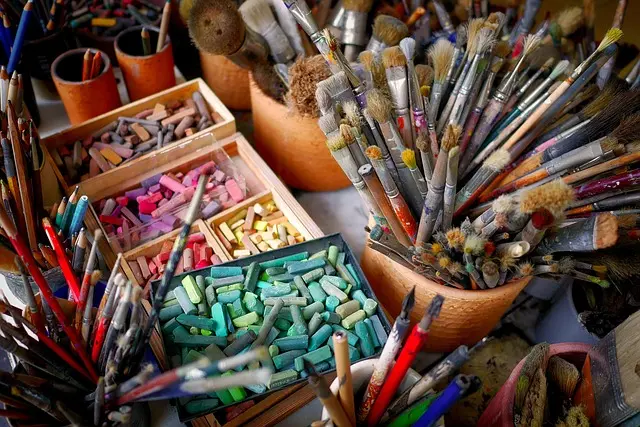
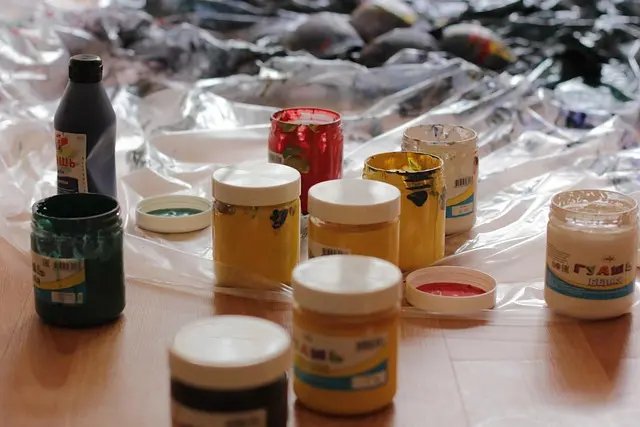
Once you've identified your passion, the next step is to gather the essential supplies. While professional-grade tools can be expensive, there are plenty of affordable options for beginners. For example, if you’re starting with drawing, invest in a sketchpad and a set of graphite pencils. If painting intrigues you, look for a basic watercolor or acrylic paint set. Accessibility is vital; therefore, check local art stores or online shops for starter kits designed for beginners. We have selected several products suitable for beginners, ensuring you have access to quality materials without breaking the bank.
Step 3: Learn Fundamental Techniques
Every artist needs a solid foundation of techniques. You might enroll in a community class, participate in online workshops, or follow YouTube tutorials. Focus on mastering the basics: color theory, composition, and perspective. For instance, when learning to paint, it's beneficial to understand how different colors interact and how to create depth through shades and highlights. Resources such as Skillshare and Udemy offer tailored courses for beginners. A study conducted by The University of Arts London highlighted that individuals who actively seek learning opportunities tend to develop their artistic skills 30% faster than those who self-teach without guidance.
📺 For Further Exploration:
> Explore painting techniques for beginners, offering a complete overview of essential skills. Search on YouTube for: "beginner painting techniques 2026".
Step 4: Practice Regularly
Art is a skill developed through consistent practice. Set aside time each week dedicated to creating. Maintain a sketchbook or art journal where you can freely express your ideas without the pressure of perfection. Establishing a routine helps reinforce your skills; even professionals dedicate hours daily to hone their craft. Research from The National Endowment for the Arts shows that artists who practiced regularly produced significantly higher quality work compared to those who sporadically engaged in their art.


Step 5: Seek Feedback and Community
Joining an artistic community can provide motivation, inspiration, and constructive feedback. Consider joining local art groups, online forums, or social media platforms where you can share your work and receive input. Feedback from others can be incredibly valuable. Active engagement in communal settings often leads to collaborative projects that can enrich your experience. According to the American Association of Art Educators, peer reviews significantly enhance an artist's growth and confidence.
A Quick Checklist for Beginners
- [ ] Identify your artistic passion and medium
- [ ] Gather essential art supplies suitable for beginners
- [ ] Learn and practice fundamental techniques
- [ ] Dedicate time each week for consistent practice
- [ ] Join a community or seek feedback
Frequently Asked Questions
Q: What if I feel discouraged about my art?
A: It's normal to feel frustrated at times. Remember, every artist goes through phases of self-doubt. Keep practicing and revisit your foundational techniques.
Q: How can I find my unique artistic voice?
A: Experimentation is crucial, as is studying various styles. Your unique perspective will naturally emerge the more you create.
Q: Is it necessary to take classes to be a good artist?
A: While classes can help greatly, many successful artists are self-taught. Focus on practicing, learning, and finding what works for you.
Q: How do I get my art noticed?
A: Share your work online through social media or join local art shows. Networking plays a significant role in gaining visibility.
Glossary
| Term | Definition |
|---|---|
| Artistic Medium | The material or method used by an artist to create work. |
| Composition | The arrangement of elements within a piece of art. |
| Color Theory | The study of how colors interact and affect one another. |
---
📺 Pour aller plus loin : beginner painting techniques 2026 sur YouTube
Recommended products
Selected by our experts
Drew Journey II Men's Black Oxford 9.5 E4 - Gender: male
shoemall.com
This comfortable shoe is perfect for artists on the move, providing ease for daily practice or attending art classes.
CORE365 - CE890 - Men's Journey Summit Hybrid Full - Zip - Black/ Black - L
clothingshoponline.com
A warm and stylish jacket that keeps you comfortable while you create, ideal for outdoor or studio work.
CORE365 - 78190 - Women's Journey Fleece Jacket - Classic Navy - S
clothingshoponline.com
This fleece jacket is perfect for layering during chilly studio sessions, allowing freedom of movement as you work on your art.