Table of Contents (9 sections)
Creating a functional and inspiring art studio is crucial for enhancing artistic creativity. An organized workspace allows artists to focus on their craft and minimizes distractions. Whether you’re just starting or looking to revamp your existing space, this guide will walk you through the essential steps in setting up your art studio for maximum creativity.
1. Define Your Purpose and Style
Before diving into the physical setup, it’s vital to define the purpose of your art studio. Are you focused on painting, drawing, sculpting, or a mix of everything? Knowing the primary activities will guide your choices regarding layout and storage. Additionally, consider the style that resonates with you. Some artists prefer a minimalist aesthetic, while others thrive in a more eclectic environment. This personal touch will make the space feel genuinely yours.
Building an artistic space tailored to your preferences establishes a vibrant atmosphere. For instance, if you’re a watercolor artist, prioritize space near a window for natural light that enhances color visibility. According to a study by Art Studio Journal, natural light significantly boosts creativity and mood among artists. Consequently, investing time in choosing the right ambiance is key.
2. Choose the Right Location
The location of your art studio can have a profound impact on your creativity. Select a space that’s free from interruptions, ideally with plenty of natural light. A corner room with windows can naturally inspire you, offering an ever-changing palette of colors and light throughout the day.
Ensure that the selected area has adequate ventilation, especially if you work with materials that emit fumes, such as solvents or sprays. An effective airflow can enhance your comfort and protect your health. If natural options are limited, consider supplementation with air filtration systems. According to Healthy Home Guidelines, a well-ventilated space can greatly reduce health risks related to art materials.
3. Optimize Your Layout
The layout of your studio should facilitate your workflow. Start by creating zones based on your activities: a painting area, a drawing nook, and a storage section. Use furniture positioning to delineate these areas clearly. For example, a large table may serve as your primary workspace, while rolling carts can keep frequently used supplies accessible and organized.
A good workflow also includes keeping tools within arm's reach. Consider whether you work primarily standing or sitting—each will affect your layout. According to Artistic Flow Organization, maintaining an organized and accessible workspace can improve workflow efficiency by up to 70%. This will allow you to focus on the creation rather than the chaos of your environment.
4. Invest in Quality Lighting
Good lighting is essential for any art studio. High-quality, adjustable lighting can help illuminate your work regardless of the time of day. Combining natural light with artificial sources allows for versatility. If possible, incorporate daylight bulbs to mimic natural light, which is ideal for accurate color representation.
Task lighting, such as adjustable desk lamps, can provide focused light on specific projects, reducing eye strain during detailed work. In a survey by Creative Light Research, 78% of artists reported that improved lighting conditions enhanced their ability to create.
5. Organize Your Supplies
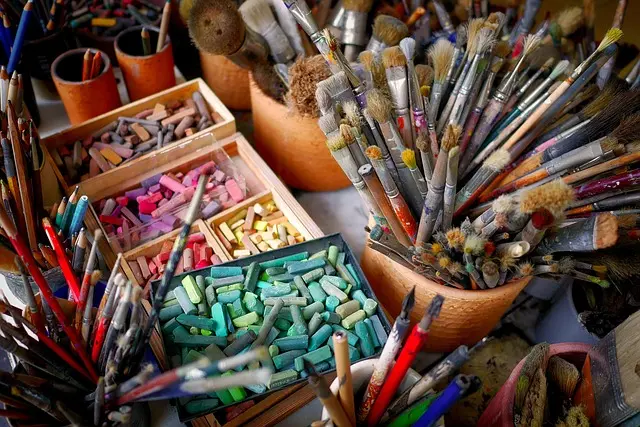
A well-organized art studio saves time and enhances creativity. Develop a system for categorizing your supplies, whether it’s by medium, color, or type. Use storage solutions like shelves, bins, and drawers to keep everything accessible. Labeling can further enhance this organization, making it easy to find what you need at a moment’s notice.
Moreover, minimalist practices can sometimes help reduce anxiety around clutter. Instead of overwhelming yourself with an assortment of supplies, curate your tools and materials based on the projects you frequently engage in. Art Supply Organization Strategies suggest that a clean and organized space fosters a sense of control, allowing for better creative expression.
6. Personalize Your Space
Lastly, don’t forget to infuse your personality into your art studio. Adding elements such as plants, artwork, or inspiring quotes can make the space more inviting and motivational. Personal touches can remind you why you love making art and inspire creativity.
Consider creating a vision board that reflects your aspirations as an artist. A board filled with images, colors, and textures can serve as a daily inspiration. According to Artistic Psychology Insights, surrounding yourself with personal inspiration can boost creativity significantly.
Checklist for Your Art Studio Setup
- [ ] Define the primary purpose of your studio.
- [ ] Choose a suitable and inspiring location.
- [ ] Create a functional layout optimized for your workflow.
- [ ] Ensure quality lighting is positioned correctly.
- [ ] Organize supplies efficiently with effective storage solutions.
- [ ] Personalize the space to reflect your artistic style.
Glossary
| Terme | Définition |
|---|---|
| Art Studio | A dedicated space for creating artistic works, equipped with necessary tools and materials. |
| Natural Light | Daylight that provides illumination for workspaces, often preferred for its color-accurate effects. |
| Workflow | The sequence of processes taken to accomplish artistic tasks efficiently. |
> 💡 Expert Opinion: A well-established studio can lead to enhanced creativity. Artists who invest time in organizing their workspace report higher satisfaction in their work, which influences art quality and productivity.
🧠 Quick Quiz: What is the most critical aspect of a well-designed art studio?
- A) The size of the space
- B) The quality of lighting
- C) The color of the walls
Answer: B — Quality lighting is essential for accurately perceiving colors and maintaining creative flow.
📺 For further insights: Explore video tutorials on setting up your perfect art studio. Search for "art studio setup tips" on YouTube.
Setting up your art studio can be a fulfilling process that significantly impacts your creative practice. Take the time to ensure your workspace is tailored to your needs—happy creating!
📺 Pour aller plus loin : art studio setup tips sur YouTube
Recommended products
Selected by our experts