Table of Contents (9 sections)
Setting goals is a crucial step for any artist seeking success. It helps to define a clear path, enhances creativity, and provides motivation to overcome challenges. In this article, we'll explore effective strategies to set goals as an artist, ensuring you stay focused and inspired throughout your artistic journey.
Why Set Goals as an Artist?
Setting goals as an artist serves several critical functions. Firstly, it enables you to outline your aspirations clearly. According to research from the Dominican University of California, individuals who wrote down their goals were 42% more likely to achieve them. By articulating your artistic ambitions—be it creating a series of paintings, mastering a new technique, or completing a gallery submission—you transform vague ideas into actionable objectives.
Goals also provide a sense of direction. Instead of wandering aimlessly, you can channel your energy towards specific targets. This clarity can help prioritize tasks that align with your creative vision. Additionally, goal setting cultivates a growth mindset. By consistently challenging yourself to achieve new milestones, you learn, adapt, and ultimately enhance your artistic skills.
Steps to Effectively Set Goals as an Artist
- Identify Your Vision
Start by reflecting on your long-term vision as an artist. What inspires you? What impact do you hope to make? Assessing your artistic aspirations will guide you in setting relevant goals. Create a mood board or a vision board that encapsulates your desires visually. This process solidifies your intentions and offers a visual representation of your goals, making them feel more tangible.
- Set SMART Goals
The SMART criteria—Specific, Measurable, Achievable, Relevant, and Time-bound—can vastly improve your goal-setting process. Instead of stating "I want to improve my painting skills," specify, "I will complete one painting per week for the next three months and seek feedback from peers.” This method transforms abstract ambitions into actionable objectives, heightening accountability and motivation.
- Break Goals into Actionable Steps
Large goals can be overwhelming. Breaking them down into smaller, manageable actions makes it easier to stay on track. For instance, if your goal is to hold an exhibition, your actionable steps might include researching potential venues, preparing a portfolio, and promoting your work through social media. Create a timeline to keep yourself organized and maintain steady progress.
- Monitor Progress and Reflect
Allocate time regularly to assess your progress. Are you meeting deadlines? Have you deviated from your plan? Reflecting on your journey provides insight into your successes and challenges. Tools like a journal or project management apps can be beneficial for tracking your artistic development. Moreover, sharing your progress with fellow artists can foster a sense of community and accountability.
- Stay Flexible
While having a structured plan is vital, flexibility is equally important. As an artist, your creative process may evolve, and new opportunities might arise. Be willing to adapt your goals as you grow. Reassessing your objectives periodically allows you to respond to changes in your artistic vision or external circumstances without feeling discouraged.
Common Pitfalls in Goal Setting and How to Avoid Them
While the benefits of goal setting are numerous, artists often fall into common traps:
- Setting Unrealistic Goals: It's essential to set goals that challenge you without being impossible. Avoid the temptation to aim too high initially; instead, build your confidence gradually by achieving smaller milestones.
- Neglecting Self-Care: The pursuit of artistic goals should not come at the expense of your well-being. Ensure to schedule downtime for relaxation and creative exploration. Maintaining a healthy work-life balance is vital for sustained creativity.
- Focusing Solely on Outcomes: Artists sometimes fixate only on the end results, like completing a painting or obtaining recognition. Remember to celebrate the smaller victories along your journey as these contribute to your overall growth.
Checklist for Setting Goals as an Artist
- [ ] Define your long-term vision
- [ ] Outline SMART goals
- [ ] Break down goals into actionable steps
- [ ] Monitor progress regularly
- [ ] Stay flexible and open to change
📺 Resources Video
> 📺 For further exploration: Setting Goals for Creatives, a deep dive into effective strategies for artists. Search on YouTube: "setting artistic goals 2026".
Conclusion
Setting goals as an artist is an empowering habit that drives creativity and achievement. By following the strategies outlined above, you can enhance your artistic journey, ensuring steady progress towards your dreams.
Glossary
| Term | Definition |
|---|---|
| SMART Goals | A framework to guide effective goal-setting. |
| Vision Board | A visual representation of goals and aspirations. |
| Growth Mindset | The belief that skills can be developed through effort and learning.
🧠 Quick Quiz
> What is the benefit of setting SMART goals?
>- A) They are easier to forget
>- B) They provide clear action steps
>- C) They reduce motivation
Answer: B — SMART goals provide clear action steps that enhance accountability and focus.
📺 Pour aller plus loin : setting artistic goals 2026 sur YouTube
Recommended products
Selected by our experts
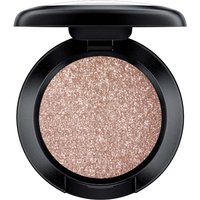
Fard à paupières fini givré Frost - L.e.s artiste - M.A.C
Blissim FR
This highly pigmented eyeshadow is perfect for artists looking to create striking visual pieces and enhance their expression.