Table of Contents (9 sections)
Creative blocks can be daunting for artists, hindering the flow of inspiration and resulting in frustration. Understanding what creative blocks are, why they occur, and how to effectively address them is crucial for any artist seeking to enhance their creative process.
1. Understand the Nature of Creative Blocks
Creative blocks can manifest in various forms, from a lack of inspiration to self-doubt and fear of failure. According to research published by the American Psychological Association, more than 70% of creative professionals have experienced such blocks at some point in their careers. It’s important to recognize that these blocks are natural and can stem from various sources, including perfectionism, stress, or external pressures. Identifying the root cause of your block is essential to addressing it effectively. For instance, if you’re feeling overwhelmed by expectations, it may hinder your ability to create freely. Take time to reflect on your feelings and emotions surrounding your artistic journey.
2. Build a Creative Routine
Establishing a routine can significantly help you overcome creative blocks. By dedicating specific times for your art, you train your mind to enter a creative state more easily. This could involve various practices, such as setting up your workspace, following a warm-up ritual, or engaging in daily sketching. A study from the University of Michigan indicated that artists who maintain a consistent schedule showed increased creativity and satisfaction in their work, fueling their ability to generate new ideas. Start small; even dedicating just ten minutes each day to your art can breathe life back into your creative process. What matters is the consistency that allows you to build momentum.
3. Experiment with Different Mediums
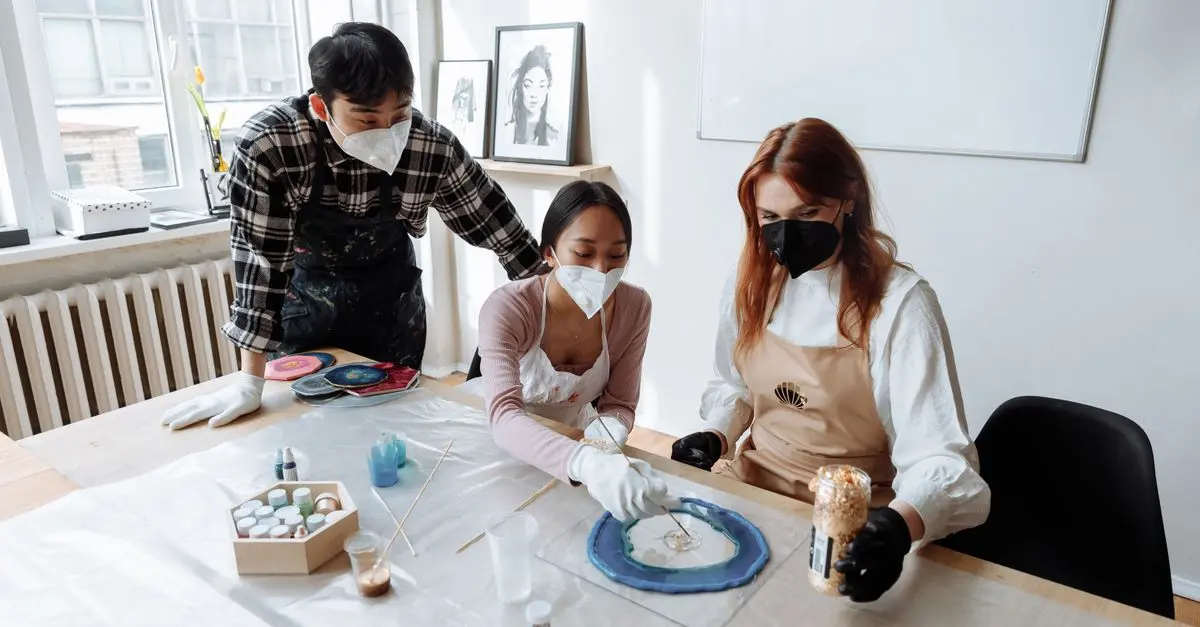
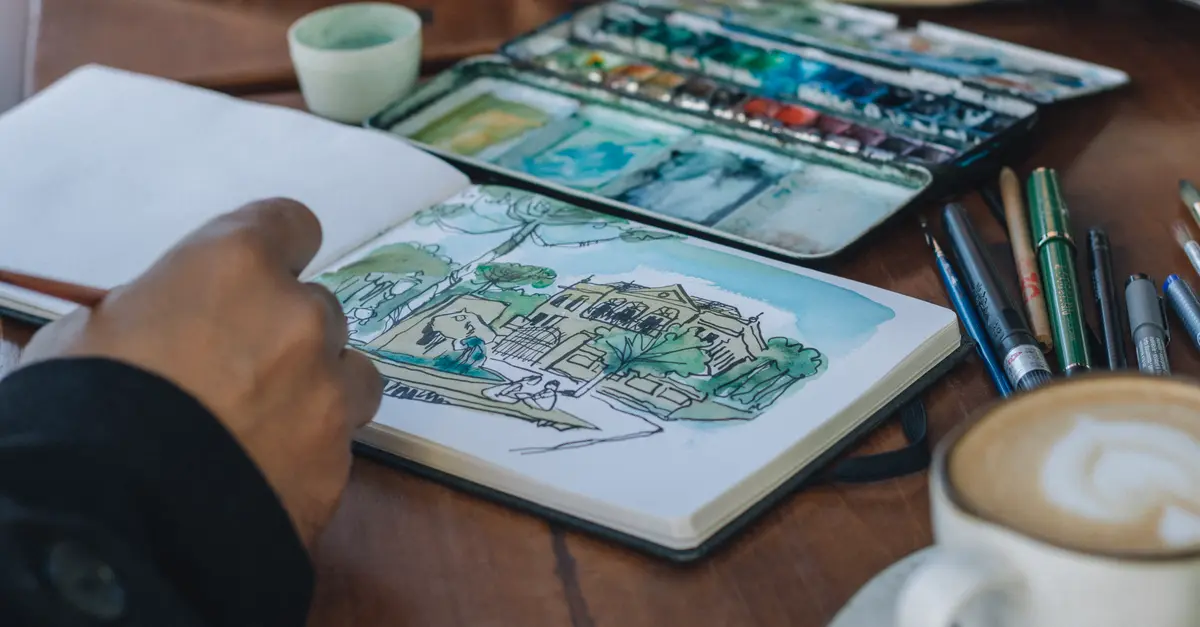
When you feel stuck, changing your medium can provide a fresh perspective and stimulate your creativity. For example, if you primarily paint, try sculpting or digital art. Experimentation not only allows you to explore new techniques but also liberates your mind from the constraints of your usual work. According to a survey conducted by Creative Independent, artists who stepped out of their comfort zones reported a significant boost in creative output. Engaging with different materials can also lead to unexpected discoveries and innovations in your primary medium. Consider setting aside a day each month to experiment with something new.
4. Create a Supportive Environment
Your environment plays a critical role in your creative output. An inspiring and organized workspace can positively impact your mood and productivity. Integrate elements that spark your interest, such as art from your peers, inspirational quotes, or even a cozy chair that invites you to contemplate. UFC-Que Choisir highlights that an aesthetically pleasing environment reduces stress and facilitates a better creative flow. Ensure your space is clutter-free and stocked with the necessary supplies. For example, a comfortable office chair can elevate your artistic experience, providing the comfort needed for extended creative sessions. We’ve selected several products that can help enhance your workspace.
5. Engage in Creative Exercises
Regularly participating in creative exercises can serve as a warm-up to unlock your creative potential. Activities like brainstorming, free writing, or engaging in drawing challenges can all help stimulate your imaginative juices. For instance, a well-known exercise is to create a daily sketch based on a randomly chosen word. According to 60 Millions de Consommateurs, incorporating such exercises can sharpen your skills and help unearth new ideas. Create a schedule for these exercises, track your progress, and reflect on the concepts they inspire. Often, these exercises serve as stepping stones towards larger projects, reigniting your passion for your work.
6. Seek Feedback and Collaboration
Sometimes, the best way to overcome a creative block is by seeking input from others. Collaborating with fellow artists or peers can introduce new perspectives and ideas that you may not have considered. A survey by Inc. Magazine found that 65% of artists feel more inspired when working with others. Consider attending art workshops, joining local artist communities, or participating in online groups to exchange feedback. Make it a habit to share your work regularly; this not only holds you accountable but also opens up avenues for constructive critique and improvement.
Checklist for Overcoming Creative Blocks
- [ ] Identify the root cause of your block.
- [ ] Establish a consistent creative routine.
- [ ] Experiment with different artistic mediums.
- [ ] Create a supportive and inspiring workspace.
- [ ] Engage in regular creative exercises.
- [ ] Seek feedback and engage in collaborative work.
Glossary
| Terme | Définition |
|---|---|
| Creative Block | Un état mental abouti par une incapacité à créer ou à produire des idées, souvent causé par le stress ou l'anxiété. |
| Routine Créative | Un ensemble de pratiques et d'horaires établis pour stimuler la créativité et favoriser la production artistique quotidienne. |
| Média | Les matériaux ou méthodes utilisés par un artiste pour créer des œuvres, incluant peinture, sculpture et numérique. |
> 🧠 Quiz rapide : What often causes creative blocks for artists?
> - A) Lack of skill
> - B) Environmental factors
> - C) Overconfidence
> Réponse : B — Environmental factors, such as stress and a cluttered workspace, often play a critical role in blocking creativity.
📺 Pour aller plus loin : [How to Combat Creative Blocks as an Artist], a comprehensive analysis of effective strategies. Search on YouTube: "how to overcome creative blocks artists".
📺 Pour aller plus loin : how to overcome creative blocks artists sur YouTube
Recommended products
Selected by our experts