Table of Contents (12 sections)
Experiencing creative block is a common challenge for many artists, whether they are painters, writers, musicians, or any other type of creative individual. It can be frustrating and disheartening; however, overcoming creative block is possible by employing various strategies to restore your flow and innovation. This article will guide you through different steps that address the root causes of creative stagnation and provide solutions to revitalize your artistic journey.
Understanding Creative Block
Creative block refers to the inability to produce new work or ideas. It often arises due to various factors, including stress, self-doubt, and external pressures. According to a survey by The Creativity Research Journal, about 80% of artists report experiencing creative block at least once a year. Understanding what triggers your creative block is the first step in overcoming it. Some common reasons include:
- Fear of Failure: Many artists fear that their work will not be well received, leading to anxiety that stifles creativity.
- Perfectionism: Writers and creators may obsess over making their work flawless, which can inhibit progress.
- Burnout: Constantly working on your craft without taking breaks can lead to exhaustion, making it difficult to create effectively.
Identifying the specific reasons behind your creative block will enable you to tackle them more effectively.
Step 1: Take a Break and Recharge
The first step to overcoming creative block is to take a well-deserved break. Engaging in other activities can provide a fresh perspective and spirit. Consider walking in nature, reading a book unrelated to your art, or indulging in a hobby you love. Studies show that stepping away from your work allows your subconscious to process ideas without pressure.
For example, spending time in nature can enhance creativity. According to a study by psychologist David Strayer, being in nature can improve short-term memory and attention, providing a mental reset that’s often needed. Even a short 20-minute walk can lead to increased creativity. Ensure you prioritize downtime to allow fresh inspiration to seep in!
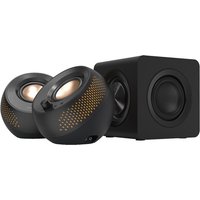
Creative Labs Creative Pebble X Plus set d'enceintes 30 W Universel Noir 2.1 canaux Bluetooth
Topbiz FR
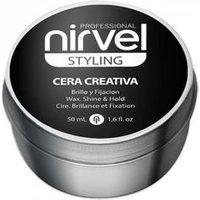
Nirvel Professional Styling Creative Wax Shine 50ml
DocMorris FR (ex DoctiPharma FR)

Step 2: Embrace a New Perspective
Sometimes, resetting your surroundings can reignite your creativity. Changing up your typical workspace or studio can encourage new ideas. This can include rearranging your art supplies, creating a different setup, or even working in a completely different environment, like a café or park. Trying new tools or materials can also lead to different results, stirring your creative juices.
If you usually paint on canvas, try collaborating with a digital medium or experimenting with mixed media. Engaging with other artists through workshops or networking events can also present new perspectives and ignite creativity. Surrounding yourself with like-minded individuals who share similar passions is often invigorating!
Step 3: Establish a Routine or Ritual
Setting a specific routine can help cultivate a creative mindset. Developing rituals before you immerse yourself in art can signal to your brain that it’s time to transition into a creative zone. This can include specific music that inspires you, warming up with sketches, or dedicating a set amount of time each day solely for creative practices. Stick to your routine; consistency can help build momentum over time.
Consider keeping a journal where you reflect on your artistic goals and intentions. Writing about your aspirations provides clarity and may help focus your mind. Derek Sivers, an entrepreneur, emphasizes the importance of commitment in achieving goals. By allocating dedicated time for creativity, you become more likely to push through the moments of block.
Step 4: Seek Inspiration from Other Artists
Inspiration can often be drawn from other creators. Follow artists that resonate with you on social media platforms, attend art exhibitions, or immerse yourself in different creative forms—like cinema, music, or literature. Engaging with creative communities allows you to share experiences, ideas, and collaborations, allowing you to rejuvenate your artistic spirit through collective efforts.
Consider creating an inspiration board that curates images, quotes, and creations from artists who ignite your passion. This visual aid can serve as motivation during periods of stagnation. Remember, creativity breeds creativity; sometimes, witnessing another artist's journey can uplift and refuel your passion.
Step 5: Practice Mindfulness and Self-Compassion
Creative block often causes stress and frustration; thus, practicing mindfulness is essential. Engaging in meditation or breathing exercises can help calm your mind, releasing tension and clearing cognitive clutter. It’s crucial to develop self-compassion; many artists are their own harshest critics. This critical mindset can exacerbate feelings of inadequacy when creativity dwindles.
Adopting practices such as gratitude journaling, where you note positive experiences or notable achievements, can help shift your perspective from negativity to appreciation. Instead of focusing solely on what is missing, you may begin to see the beauty in your creative journey.
Final Thoughts
Overcoming creative block as an artist is part of the creative process itself. By understanding the causes and implementing various strategies such as taking breaks, changing environments, embracing routines, seeking inspiration, and practicing mindfulness, artists can rekindle their creativity.
💡 Expert Tip: Don’t perceive creative block as a failure; rather, acknowledge it as an opportunity for growth and exploration. Each creative block provides an essential lesson, encouraging resilience and transformation.
Checklist for Overcoming Creative Block
- [ ] Identify root cause(s) of creative block.
- [ ] Schedule regular breaks away from your work.
- [ ] Rearrange or change your workspace for new perspectives.
- [ ] Develop a creative routine or ritual.
- [ ] Engage with other artists for inspiration.
- [ ] Practice mindfulness techniques to reduce stress.
- What causes creative block?
Creative block can stem from fear of failure, perfectionism, burnout, or external pressure, impacting an artist’s productivity.
- How long does creative block last?
The duration of creative block varies among individuals; it can last from a few days to several months.
- Can I force myself to be creative?
While pushing through blocks can sometimes work, allowing yourself time to recharge is often more beneficial.
- Are there any tools to help overcome creative block?
Yes, tools like journaling apps, online workshops, and mindfulness resources can help artists navigate their creative hurdles.
Glossary
| Terme | Définition |
|---|
| Creative Block | An inability to create new ideas or work due to various mental barriers.
| Mindfulness | The practice of being present in the moment, often used to reduce anxiety and enhance focus.
| Inspiration Board | A visual collage consisting of images, quotes, and articles to motivate creativity.
📺 Resource Video
> 📺 For further insights: Explore how other artists combat creativity challenges and find their flow. Search on YouTube: "overcoming creative block techniques 2026".
📺 Pour aller plus loin : overcoming creative block techniques 2026 sur YouTube
Recommended products
Selected by our experts
Creative Labs Creative Pebble X Plus set d'enceintes 30 W Universel Noir 2.1 canaux Bluetooth
Topbiz FR
Enhancing your workspace sound quality can create an inspiring atmosphere, helping to overcome creative blocks.
Nirvel Professional Styling Creative Wax Shine 50ml
DocMorris FR (ex DoctiPharma FR)
Using high-quality styling products can boost confidence, allowing artists to focus more on their creative process.
Neve Cosmetics Holographic Creative Palette 1ut
DocMorris FR (ex DoctiPharma FR)
Creative tools can indirectly enhance an artist’s inspiration, providing new methods to express ideas.