Table of Contents (11 sections)
Becoming an artist is as much about expression as it is about honing your craft and understanding the industry. In this comprehensive guide, we will explore practical steps to help you successfully navigate your path to becoming an artist. The journey may vary for each individual; however, these guidelines will serve as a robust framework to help you establish your artistic identity.
1. Define Your Artistic Vision
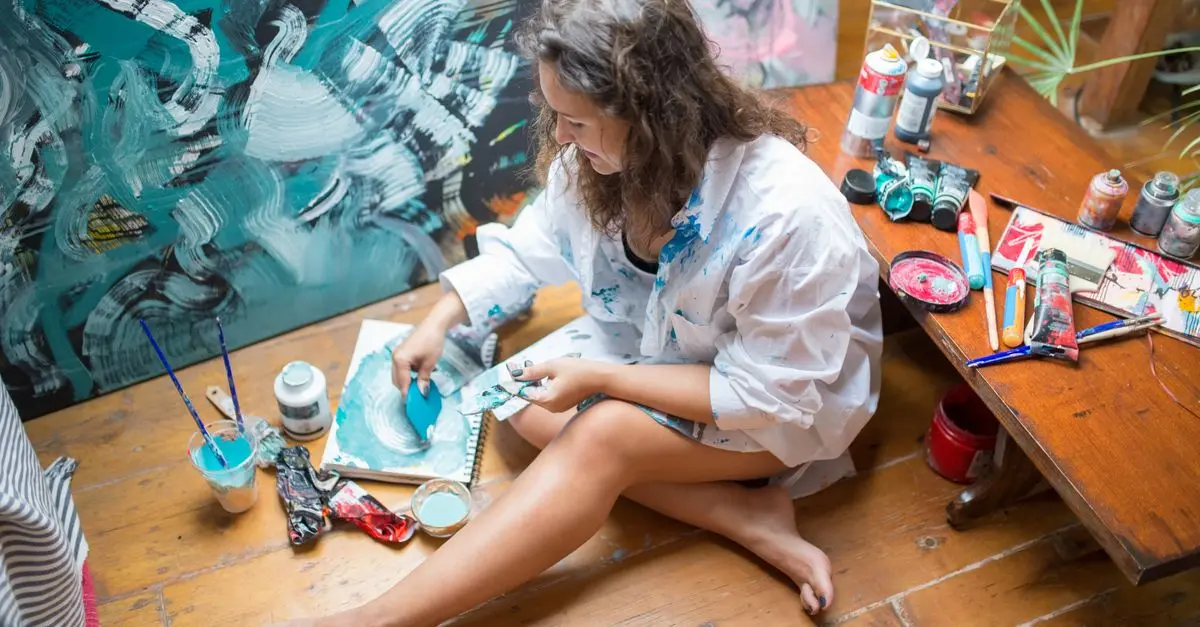
Defining your artistic vision is the cornerstone of your journey. It’s crucial to articulate what kind of artist you want to be. This can involve several reflective practices such as journaling, sketching, or even discussing your ideas with mentors. Consider the styles and mediums that resonate with you. Are you drawn to painting, sculpture, digital art, or performance? Identifying your interests will help you carve a niche within the art community.
Moreover, being specific about your vision often leads to increased motivation and clarity in your artistic pursuits. Create a vision board that encapsulates your aspirations, influences, and artistic goals. According to research by the American Psychological Association, visualizing your goals can significantly enhance your chances of achieving them.
2. Build Your Skill Set
Once you have a clear vision, it is essential to focus on refining your skills. Enroll in art classes or workshops that align with your interests and goals. Many local communities and online platforms offer classes, ranging from beginner to advanced levels, in various styles and techniques. For instance, if you are interested in painting, consider taking classes in oil or watercolor techniques to broaden your skills.
Practice regularly and challenge yourself with different styles or subjects. Regular practice is vital; as an artist, developing a unique style can take years of trial and error. According to Statista, about 48% of professional artists reported attending additional training or workshops to better their craft. This ongoing education can provide you with fresh perspectives and techniques to incorporate into your work.
3. Create a Portfolio
A strong portfolio is your ticket to showcasing your artistic skills and attracting potential clients or galleries. Start compiling your work, focusing on quality over quantity. Include a variety of pieces that highlight your versatility while staying true to your artistic vision. A typical portfolio should contain between 10 to 20 high-quality pieces that resonate with your style.
Consider including descriptions of your work that explain your inspiration and process. This information can provide context and deepen the viewer's connection to your art. Keep your portfolio updated as you create new works. As you gain more experience, aim for a sleek, professional presentation. An effective portfolio can lead to opportunities for exhibitions and collaborations.
4. Network in the Art Community
Networking plays a critical role in the art world. Attend art shows, gallery openings, workshops, and community events to meet other artists, collectors, and industry professionals. Building relationships can open doors, provide constructive feedback, and offer collaboration opportunities. Social media platforms like Instagram and Pinterest have become important channels for artists to showcase their work and connect with audiences worldwide.
Join online art forums, local artist groups, and professional organizations to further expand your network. Many successful artists attribute their achievements to the connections they have made throughout their journey. Remember, interpersonal relationships can often lead to significant artistic opportunities.
5. Promote Your Work
In today's digital age, promoting your art is more critical than ever. Utilize social media platforms to share your work with a wider audience. Creating an engaging online presence can showcase your talent and personality. Consider starting a blog, newsletter, or website where you can share insights into your process, upcoming events, and completed works.
Experiment with different forms of media to discover what resonates best with your audience. Consistent content creation can significantly increase your visibility. According to studies from Hootsuite, artists who maintain active online profiles receive 78% more engagement than those who do not. Regularly post updates, behind-the-scenes content, and participate in art challenges to build a dedicated following.
6. Learn About the Business Side
Understanding the business side of art is crucial to achieving long-term success. Familiarize yourself with pricing, contracts, and copyright issues related to selling your art. Consider taking courses on art marketing and entrepreneurship.
Many artists miss the importance of establishing their business structure. Ensure you have a clear plan for how you want to market and sell your art. Websites like Artfinder and Etsy can help you get started in selling online, but be sure to research e-commerce best practices for maximum visibility and sales potential.
💡 Expert Tip: Reach out to other artists who have navigated the business side successfully. Learning from their experiences can save you time and effort.
Checklist Before Starting Your Artistic Journey
- [ ] Define your artistic vision and goals
- [ ] Enroll in skill-building classes
- [ ] Create an engaging portfolio
- [ ] Network with fellow artists and professionals
- [ ] Promote your work through social media
- [ ] Educate yourself on the business aspects of art
Glossaire
| Terme | Définition |
|---|---|
| Portfolio | Ensemble de travaux d'un artiste, utilisé pour montrer ses compétences et son style. |
| Networking | Processus de construction de relations professionnelles dans le but d'échange et d'opportunités. |
| Artistic Vision | Concept qui décrit le style, les thèmes et les aspirations d'un artiste. |
> 📺 Pour aller plus loin : Watch our video titled 'Steps to Becoming an Artist' for a visual guide on this topic. Search on YouTube: 'becoming an artist guide 2026'.
Quiz rapide :
> 🧠 Quiz rapide : What is the most important step in becoming an artist?
> - A) Defining your artistic vision
> - B) Purchasing expensive supplies
> - C) Attending every gallery opening
> Réponse : A — Defining your artistic vision sets the foundation for your entire journey.
As you embark on your journey to become an artist, remember that each path is unique. Embrace the challenges, stay dedicated to your craft, and allow your passion to guide your efforts. We hope this guide provides a clear roadmap towards realizing your artistic dreams.


Recommended products
Selected by our experts

Bespoke Post x Connor Liljestrom Artist Tee, Smoke Break - Connor Liljestrom Official Shop Smoke Break Small Unisex
bespokepost.com