Table of Contents (11 sections)
Every artist, whether a painter, musician, or writer, faces the same initial struggle: finding their unique artistic style. This quest is not only about expressing creativity but also about developing a voice that resonates with others. In this guide, we provide actionable steps to help you discover and embrace your unique artistic identity.
Understanding Your Artistic Journey
Art is an evolution, and understanding this journey is crucial as you seek to identify your unique artistic style. What does it mean to have a distinct style? At its core, your artistic style encompasses the techniques and decisions you regularly make regarding composition, color, form, and subject matter. It's not just about what you create, but how you create it. According to a report by Artfinder, over 70% of artists believe that developing a unique style is essential for their career advancement. It sets you apart in a saturated market and helps convey your personal message to your audience.
Step 1: Self-Reflection and Exploration
Before diving into the creation process, take a step back for self-reflection. Ask yourself critical questions:
- What themes resonate deeply with you?
- Are there specific mediums that you feel particularly drawn to?
- What emotions do you want your art to evoke?
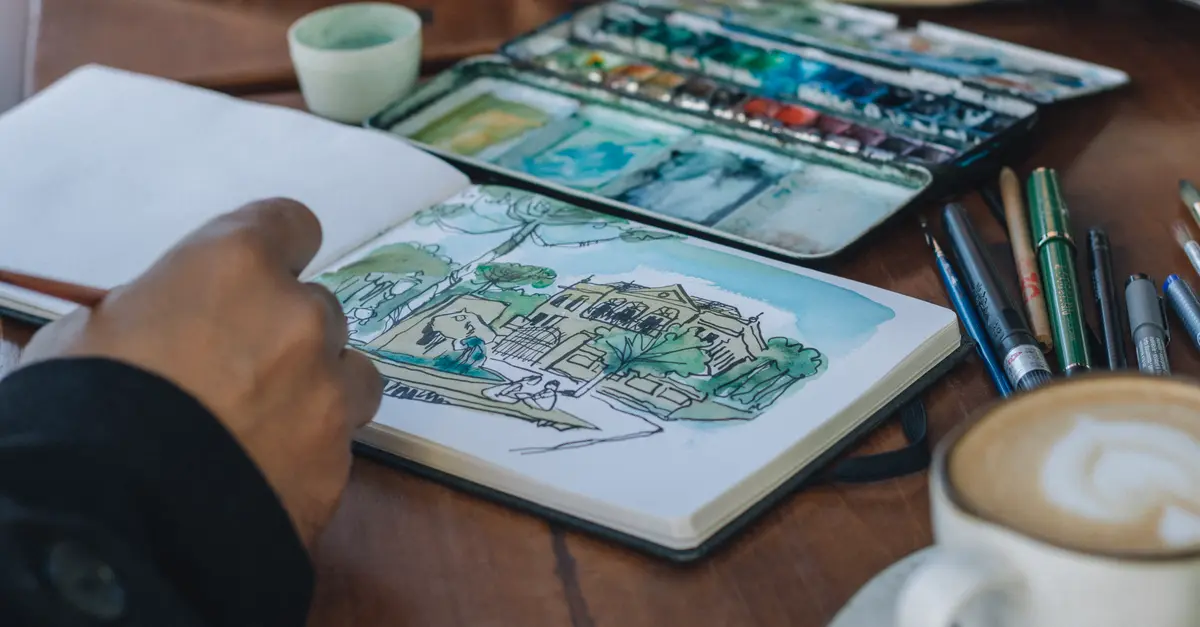
Exploration is key. Try out different mediums like watercolor, acrylic, or digital art. Engage in various art styles, from realism to abstract, to see what truly sparks your creativity. Art journals can be particularly helpful; they allow you to document your thoughts, experiments, and evolving ideas. This exploration phase can reveal those hidden preferences that will ultimately contribute to your unique style.
Step 2: Analyze Influences but Avoid Imitation
Understanding the artists who inspire you is crucial, but there’s a fine line between taking inspiration and imitating. Create a mood board or digital collection, highlighting works that resonate with you. Note the common elements among these pieces – colors, techniques, themes, and compositions.
However, it’s essential to synthesize new ideas rather than replicate them. Craft your art using these influences as a foundation, and then build upon them with your distinctive twists or variations. This process can give birth to innovations that reflect your voice while recognizing the essence of your inspirations.
Step 3: Experiment, Create, and Iterate
Once you’ve reflected and analyzed influences, it’s time to create. Start producing a body of work. Don’t strive for perfection—this phase is about experimentation and iteration. Aim to complete several pieces in various styles and mediums. Set aside time each week to produce new work, even if it’s just a small sketch or draft.
Pro Tip: Keep a portfolio of your pieces. Evaluate your work regularly to identify patterns or themes that emerge. Which pieces resonate most with you? Solicit feedback from peers or mentors—constructive critiques can provide valuable insight into your developing style.
Step 4: Consolidate Your Style and Voice
As your practice continues, you will start noticing a consolidation in your style. This is an essential phase where you begin to blend your experiences, influences, and personal preferences into a coherent expression. Consider creating a series of works that convey a particular message or theme. Art showings or online showcases can offer the opportunity to present your work and receive feedback, further refining your artistic voice.
Step 5: Keep Evolving and Adapt
The journey of finding your unique artistic style doesn’t end—it’s a continuous process of discovery and evolution. As you grow, your artistic style may transform. The world around you changes, and so too will your influences and interests. Stay open-minded and flexible, allowing yourself to evolve without fear of straying from an established identity.
Common Mistakes to Avoid
- Rushing the Process: Developing a unique artistic style takes time. Don’t put pressure on yourself to instantly find your voice.
- Ignoring Feedback: Constructive criticism can provide insights that accelerate your development. Learn to embrace it.
- Limiting Yourself: Experimentation is vital. Avoid confining yourself to a specific genre or medium right away.
- Comparing Yourself to Others: Every artist’s journey is unique. Focus on your path instead of measuring yourself against others.
Checklist for Finding Your Unique Artistic Style
- [ ] Reflect on personal interests and emotions.
- [ ] Create a mood board of influences.
- [ ] Experiment with multiple mediums.
- [ ] Regularly produce and review your artwork.
- [ ] Seek and be open to feedback.
- [ ] Embrace evolving interests and styles.
💡 Expert Insight: “Your artistic style is a mirror reflecting your personal evolution; don’t hesitate to change the reflection.”—Art Coach
Glossary
| Term | Definition |
|---|---|
| Artistic Style | The distinctive manner in which an artist expresses their ideas and emotions through their work. |
| Medium | The material or technique used in the creation of a work of art (e.g., oil paint, digital, clay). |
| Mood Board | A visual representation of ideas, themes, and styles that inspire an artist, compiled from various sources. |
📺 Resource Video
> 📺 For more insights: [Finding Your Unique Artistic Voice], a complete guide to understanding and developing your artistic identity. Search on YouTube: how to find your artistic style 2026.
By following these steps, you can embark on a fulfilling journey to uncover your unique artistic style and voice. Embrace creativity, enjoy the process, and remember that every artist’s journey is beautifully unique.
📺 Pour aller plus loin : how to find your artistic style 2026 sur YouTube
Recommended products
Selected by our experts

Homary 30" Large Metal Geometric Wall Clock with Wood Pointer Modern Home Decor Black & Gray
homary.com
Povison "51""Modern Round Glass Dining Table for 4, Gray Tempered Glass Circle Dining Room Table for Kitchen, Glass Kitchen Table, Black X Carbon
povison.com