Table of Contents (10 sections)
Finding your unique artistic style is a thrilling journey of self-discovery. As an artist, expressing your individuality through your artwork can set you apart in a saturated market. This guide will walk you through essential steps that will aid you in discovering and cultivating a style that resonates with your personal vision and creativity.
1. Understand What Artistic Style Is
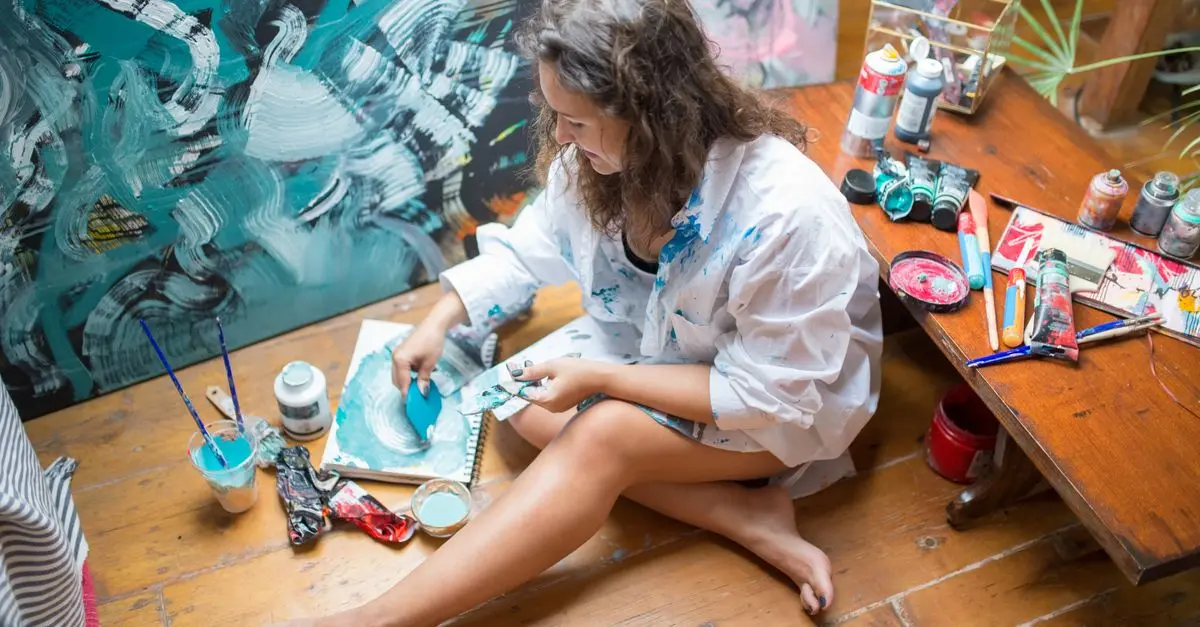
Artistic style refers to the distinctive manner in which an artist expresses their ideas and creativity. It is a combination of various elements including technique, subject matter, and the emotion conveyed in the art. Your artistic style will evolve over time as you experiment and refine your approach. Understanding the foundational aspects of art and being aware of your influences can greatly assist you in identifying your own voice.
Engaging with different art forms, such as painting, sculpture, or digital art, can expose you to various styles. For instance, examining works by artists like Van Gogh, whose bold brushstrokes and expressive colors create a unique emotional experience, can inspire you to experiment with techniques that resonate with you. Remember, your style is not merely what you like, but also what you feel comfortable creating.
2. Explore Various Techniques and Mediums
Experimentation is key in discovering your unique artistic style. Start by trying out different mediums, such as oil, acrylic, watercolor, or digital platforms. Each medium has its characteristics and may present unique challenges that inspire creativity. Conducting simple art projects focusing on various techniques can help identify what resonates most.
For example, if you’ve been exclusively painting with oils, try watercolors for a softer touch. Notice how the fluid nature of watercolors might compel you to approach your subjects differently. Don’t shy away from unconventional tools, like using kitchen sponges for texture or fingers for blending—these can lead to unexpected discoveries.
3. Identify Your Influences and Inspirations
Every artist is a product of their influences. Create a mood board or a digital collection of artworks that resonate with you. This collection can include pieces from artists across different eras and movements, like Impressionism, Surrealism, or modern conceptual art. Reflect on what aspects of these artworks catch your attention—whether it’s the color palette, subject matter, or emotional depth.
Consider writing a few notes on why each piece speaks to you. This reflection will guide your exploration, helping you understand the visual language that resonates with your emotional and intellectual sensibilities. Keep an eye out for patterns in your preferences—you might find that specific themes or colors repeatedly capture your attention.
4. Practice Regularly and Record Your Progress
Establishing a routine can significantly enhance your ability to discover your unique artistic style. Set aside dedicated time every day or week for practice. During this time, allow yourself to create freely without the pressure of producing a perfect piece. Experiment with different styles inspired by your influences and analyze your progression.
Keeping an art journal can be beneficial. Document your experiments, thoughts, and feelings regarding what you create. Over time, reviewing your previous works can reveal your growth, shifts in interests, and the emergence of a recognizable style. This reflection helps you connect with your artistic journey deeply, understanding the nature of your evolving style.
5. Seek Feedback and Engage with Other Artists
Sharing your art with others can be both rewarding and enlightening. Engaging with fellow artists provides opportunities for constructive criticism and can introduce new perspectives that you may not have considered. Attend art classes or join local artist communities online to build connections. Participate in critique sessions, where feedback can help you refine your techniques and understand how your work is perceived.
Feedback is invaluable, yet it's crucial to filter it through the lens of your artistic vision. Not all feedback will align with your goals, but it will help you understand how your work resonates with others, providing insight into your unique artistic expression.
6. Compile and Curate Your Work
As you progress, start synthesizing your explorations into a cohesive body of work that reflects your unique artistic style. Curating your pieces allows you to select and showcase artworks that represent your style and vision. This is where you can truly showcase the amalgamation of all that you have learned and discovered about yourself as an artist.
Creating a portfolio is an essential step. Display your best work and ensure that it flows together, telling a story or showcasing a theme. Consider how you want the viewer to feel when they engage with your portfolio; this narrative can significantly influence your artistic style’s perception.
💡 Expert Opinion: To truly find your unique artistic style, it’s essential to embrace the process and not rush the journey. Allow yourself to make mistakes, learn from them, and keep refining your artistic voice.
Checklist for Finding Your Artistic Style
- [ ] Explore various mediums and tools
- [ ] Create a mood board of inspirations
- [ ] Document your artistic journey in an art journal
- [ ] Seek feedback from fellow artists
- [ ] Compile a cohesive portfolio
Glossary
| Terme | Définition |
|---|---|
| Artistic Style | Le mode d'expression distinctif d'un artiste, englobant technique et émotion. |
| Medium | Le matériau utilisé pour créer une œuvre d'art, comme la peinture ou la sculpture. |
| Portfolio | Une collection organisée d'œuvres qui présentent le travail d'un artiste. |
> 🧠 Quick Quiz: What is the first step in discovering your unique artistic style?
> - A) Pick a single medium and stick to it
> - B) Experiment with various techniques
> - C) Rely solely on feedback from others
> Answer: B — Experimenting allows for exploration of diverse influences and techniques.
🚀 Start Your Artistic Journey
Finding your unique artistic style is an evolving process that requires patience, exploration, and self-reflection. By following these steps, you can cultivate an artistic identity that truly represents who you are as an artist. Embrace the journey and let your creativity shine. For additional resources and tools to support your artistic endeavors, discover our recommendations below.
📺 Pour aller plus loin : how to find your unique artistic style sur YouTube
Recommended products
Selected by our experts

Homary 30" Large Metal Geometric Wall Clock with Wood Pointer Modern Home Decor Black & Gray
homary.com
Povison "51""Modern Round Glass Dining Table for 4, Gray Tempered Glass Circle Dining Room Table for Kitchen, Glass Kitchen Table, Black X Carbon
povison.com