Table of Contents (11 sections)
Finding your artistic style is a journey that every emerging artist embarks on. This exploration is not just about mastering techniques; it’s about understanding yourself as a creator. In this guide, we’ll walk through a detailed, step-by-step process designed to help you discover and develop your unique artistic style.
1. Understand What Artistic Style Means
Artistic style refers to the distinctive manner in which an artist expresses their ideas. It encompasses everything from the choice of colors and materials to the overall theme and emotional tone of the artwork. The importance of finding your artistic style lies in establishing a personal connection with your work and increasing your overall satisfaction as an artist.
Why does this matter? According to several studies, artists who embrace their unique style tend to have greater emotional engagement with their work, leading to higher quality art production. Your artistic style reflects who you are as a person, and developing it can help you convey your thoughts and feelings more effectively.
To start, take some time to reflect on your interests, influences, and what motivates you to create art. Keep a journal or sketchbook to note your ideas, inspirations, and preferences. This will help clarify what you want your style to communicate.
2. Experiment with Different Mediums
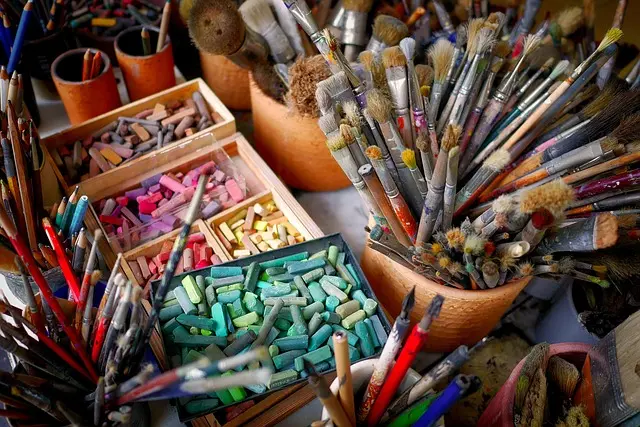
One of the most effective ways to find your artistic style is through experimentation. Trying different mediums can unveil hidden talents and preferences. As a new artist, consider exploring:
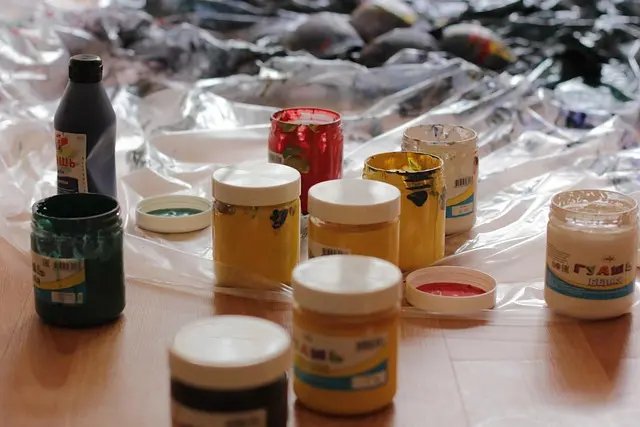
- Painting: Acrylics, watercolors, or oils
- Drawing: Pencils, charcoal, or ink
- Mixed Media: Combining various materials for textured applications
- Digital Art: Using software to create stunning digital illustrations
Start by dedicating a week or two to each medium. Create simple projects that emphasize experimenting with colors and techniques. Don’t be afraid to fail; mistakes often lead to unexpected breakthroughs. For instance, an artist may discover they prefer the vivid colors of acrylic paints over the subtlety of watercolors after just a few trial pieces.
Remember, the goal of this step is to gather as much information about your preferences as possible so that you can evaluate them later.
3. Analyze Influential Artists and Styles
Researching and analyzing established artists can provide insights into potential avenues for your artistic style. Seek artists who inspire you, and pay attention to their techniques, themes, and choices. Make a list of the qualities you admire in their work.
- Technical skills: Are they particularly skilled in realism, abstraction, or impressionism?
- Color palettes: Do they favor muted tones, bright colors, or monochromatic schemes?
- Themes: What messages or feelings do their works convey?
Create a comparison chart to help visualize these elements:
| Artist | Medium | Style | Influencing Factors |
|---|---|---|---|
| Artist A | Acrylic | Bold Colors | Personal experiences |
| Artist B | Watercolor | Soft Abstract | Nature and emotions |
| Artist C | Digital | Edgy | Technology and culture |
| Artist D | Oil | Realistic | Historical contexts |
4. Create a Body of Work
Once you begin to identify preferences in style and medium, it’s time to create a cohesive body of work. This means not just producing isolated pieces but rather working on a series that shares a theme, style, or emotional tone. Develop a project or concept that excites you, and set aside regular time for creating.
While producing this body of work, keep track of your progress. Take notes on what techniques feel natural and what themes keep reappearing in your art.
Additionally, consider sharing your work online through social media or art communities. Feedback from your audience can also provide valuable insights into how your style is perceived and evolved. Remember, showing your work is part of the artistic process and can enrich your experience.
5. Reflect and Refine Your Style
After you’ve created several pieces, set aside time to reflect on the works you’ve produced. Which pieces resonate with you the most? Which styles elicited the strongest emotional responses? This reflection should guide you in refining your artistic style.
- Identify recurring elements: Look for patterns in your work, focusing on common themes, techniques, and colors.
- Seek constructive feedback: Engage with mentors or peers to discuss your work. Their perspectives can open new avenues of thought.
- Stay adaptable: Remember, your style will evolve over time. Don’t feel restricted to one form; allow your creativity to shape-shift as you grow.
By dedicating this time to reflection, you’ll be better prepared to carve out a niche that feels authentic to you.
6. Keep Learning and Growing
Artistic growth doesn’t stop once you’ve identified your style. Commit to continuous learning, whether through workshops, online courses, or personal projects. Engaging with new ideas and techniques will help enhance your artistic voice and keep your work fresh and exciting.
- Join art classes: This is a great way to learn new skills and techniques.
- Attend workshops: Many artists offer workshops that can provide hands-on experience.
- Follow art trends: While you don’t need to conform to trends, being aware of them can inspire creative ideas.
Continuously pushing your artistic boundaries ensures that your work remains compelling and authentic.
Conclusion
Finding your artistic style is a fulfilling journey that requires patience and exploration. By following these steps and staying committed to developing your skills, you'll not only enhance your artistic practice but also make your creative expression more meaningful.
Checklist before Finding Your Artistic Style
- [ ] Reflect on your artistic motivations.
- [ ] Experiment with at least five different mediums.
- [ ] Analyze three influential artists.
- [ ] Create a body of work on a chosen theme.
- [ ] Seek feedback from peers.
- [ ] Engage in continuous learning opportunities.
Glossary
| Term | Definition |
|---|---|
| Artistic Style | The distinctive characteristics that define an artist's work. |
| Medium | The material or technique used to create artwork (e.g., painting, sculpture).
| Cohesive Body | A collection of works that share a common theme or style. |

Deadwood Trading Skavoovie - Soft Wool Felt Pork Pie Hat - Large / Black
hatcountry.com
Newmooncrystals Japanese Paper Lamp, Noguchi Style Lamp, Akari Lamp Rice Paper Floor Lamp For Home Decor, Wabi Sabi Lighting Lamp Japanese Paper
inspireuplift.com
📺 Resource Video
> For more insights: How to Discover Your Unique Artistic Voice, a detailed analysis of how personal experiences shape artistic styles. Search on YouTube: how to find your artistic style 2026.
🧠 Quick Quiz: What is the first step to finding your artistic style?
- A) Choose a favorite color
- B) Experiment with different mediums
- C) Copy famous artists
Answer: B — Experimentation helps you find your personal preferences.
📺 Pour aller plus loin : how to find your artistic style 2026 sur YouTube
Recommended products
Selected by our experts

5 CORE - Keyboard Stand Adjustable z Style Piano Riser + Keyboard Piano Bench - Pink
bestbuy.com
Top Demand Picks GD7 PRO Router Lift For 65mm 69mm Wood Router, Precision Woodworking Lift System For Router Table Set Up With Aluminum style 2
inspireuplift.com
Top Demand Picks GD7 PRO Router Lift For 65mm 69mm Wood Router, Precision Woodworking Lift System For Router Table Set Up With Aluminum style 1
inspireuplift.com
Licensed Character Juniors' Mulan Glam Style Graphic Slouchy Terry, Girl's, - Black - Size: X Large
kohls.com