Table of Contents (11 sections)
Understanding Your Artistic Path
Finding your artistic path is a journey that combines self-discovery, exploration, and growth. An artistic path isn't just about honing skills or creating art; it's about understanding what drives you, what inspires you, and how you can express yourself creatively. This journey can be influenced by various factors such as personal interests, cultural experiences, and community engagement. According to the National Endowment for the Arts, about 44% of adults in the U.S. engage in some form of art-making, highlighting the significance of creativity in everyday life. Understanding the foundational elements of your artistic identity allows you to align your work with your passions.
Step 1: Reflect on Your Interests
The first step in your artistic journey is self-reflection. Take time to understand what genuinely inspires you. Ask yourself questions like: What types of art resonate with me? Do I prefer painting, writing, music, or a different form of expression? Consider keeping a journal to jot down your thoughts, feelings, and experiences. This exercise can help illuminate your preferences and aspirations. For example, if you find yourself drawn to nature, landscape painting or photography could become your niche. The key is to honestly evaluate your inclinations and interests.
Step 2: Explore Different Mediums
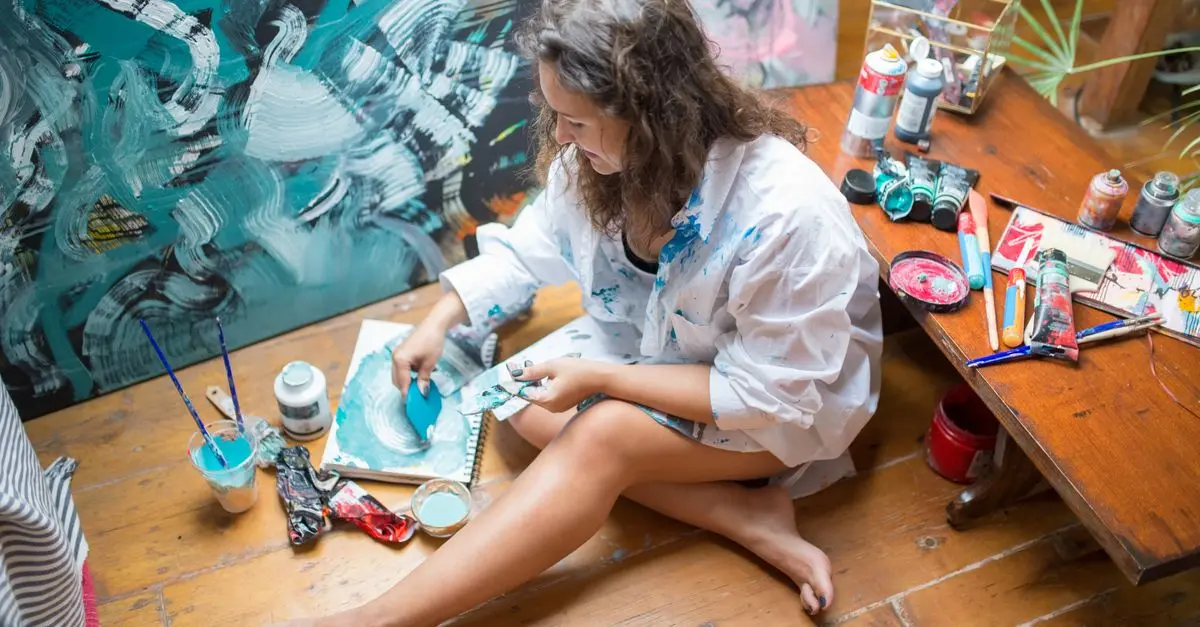
After recognizing your interests, it's time to experiment. Trying different artistic mediums can be a great way to discover where your true passion lies. Whether it's clay, watercolor, digital art, or writing, embracing a variety of forms will help you broaden your perspective and skill set. For instance, an artist who primarily works with acrylic paints might find joy in exploring digital illustration, leading to new creative pathways. Remember, the process of experimentation is essential; it can spark your imagination and open up new avenues for artistic exploration.
Step 3: Set Goals and Create a Schedule
With a clearer understanding of your interests and mediums, begin to set specific, achievable goals. Goals provide direction and motivation, keeping you accountable in your artistic practice. Your goals could range from completing a piece of art each week, attending a workshop, or even participating in an exhibition. Moreover, designing a structured schedule can be beneficial. Allocate dedicated time each week for creating; treating your passion with the same respect as a job can foster discipline and consistency in your work.
Step 4: Seek Feedback and Community
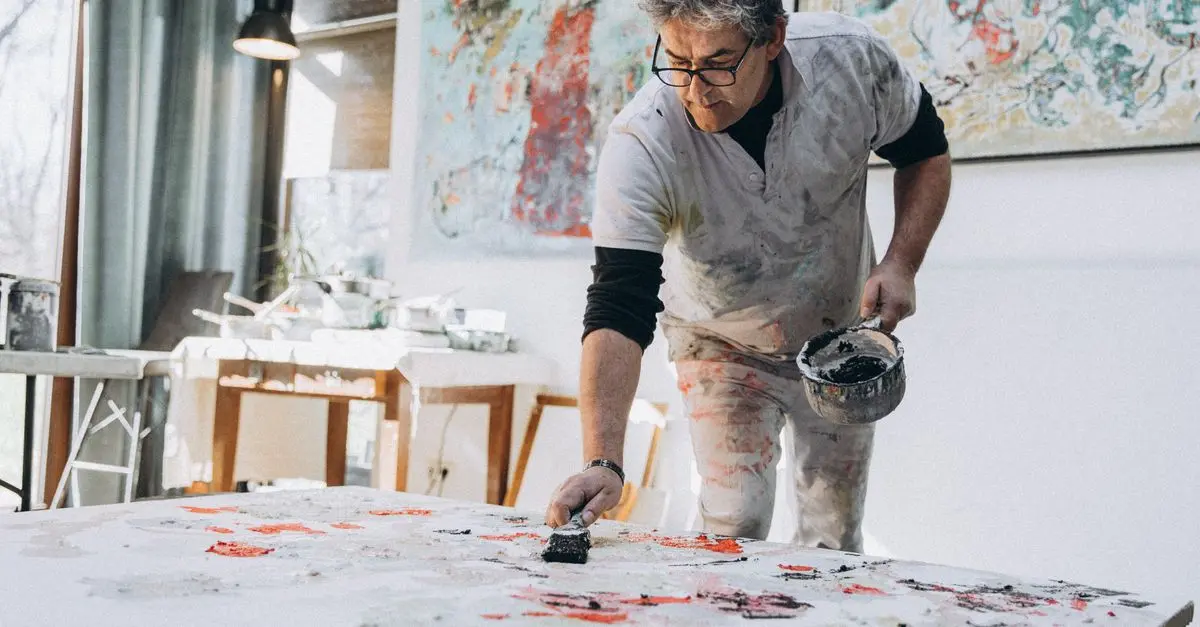
Art is inherently social, and connecting with other artists can be both inspiring and beneficial for growth. Engage with local art communities, online forums, or social media groups. Sharing your work with others opens you up to valuable feedback and diverse perspectives. Moreover, joining art classes or workshops can also help. According to research from the American Art Therapy Association, collaboration and community engagement enhance creative expression, leading to improved skills and emotional well-being. Don’t hesitate to seek constructive criticism; it plays a crucial role in artistic development.
Step 5: Embrace Failures as Learning
Every artist encounters challenges and failures along their journey. It’s important to recognize that these experiences can be invaluable. Rather than viewing mistakes negatively, approach them as opportunities for growth. Reflect on what went wrong and how you can improve. According to a study published by The Creativity Research Journal, artists who learn from their failures tend to develop a more robust and resilient creative process. Cultivating a growth mindset will help you persist through tough times and keep your passion alive.
Checklist for Artistic Development
- [ ] Identify your artistic interests
- [ ] Experiment with different mediums
- [ ] Set specific artistic goals
- [ ] Create a dedicated art schedule
- [ ] Connect with local artist communities
- [ ] Seek feedback on your work
- [ ] Reflect and learn from failures

L.L.Bean Men's Pathfinder Ripstop Trail Pants, Standard Fit, Straight Leg Cinder 40x30, Synthetic Nylon Blend L. L.Bean
llbean.com

Glossary
| Term | Definition |
|---|---|
| Artistic Path | The personal journey of discovering and developing one’s art and creative expression. |
| Growth Mindset | The belief that abilities and intelligence can be developed through dedication and hard work, particularly in creative fields. |
| Medium | The materials or techniques used by an artist to create their work, such as paint, clay, or digital formats. |
Quick Quiz
> 🧠 Quick Quiz: What is the most important element when seeking your artistic path?
> - A) Finding a mentor
> - B) Embracing failures
> - C) Selecting one medium only
> Answer: B — Embracing failures is vital for continuous improvement and artistic growth.
📺 For further exploration: Discovering your artistic journey, a thorough analysis of finding your creative spirit. Search for: "discovering your artistic journey" on YouTube.
We’ve selected several products suited to support your artistic development. Check them out below to enhance your creative journey.
📺 Pour aller plus loin : discovering your artistic journey sur YouTube
Recommended products
Selected by our experts


From You Flowers Flowers - With All Our Sympathy Lily Arrangement
fromyouflowers.com