Table of Contents (12 sections)
Finding your artistic identity is a journey that involves self-discovery, experimentation, and expressing your unique voice. Whether you’re a painter, sculptor, writer, or musician, understanding who you are as an artist is crucial. In this guide, we will walk through essential steps to help you uncover what makes you unique.
1. Understand What Artistic Identity Means
Before embarking on the journey, it's essential to define what artistic identity is. Your artistic identity is a culmination of your experiences, influences, beliefs, and skills that shape how you create. It reflects not only your chosen medium but also your emotional and philosophical perspectives toward art. Art is communication, and your identity is how you choose to converse with the world. Recognizing this can bolster your confidence and lead to a more focused artistic path.
2. Reflect on Your Influences
A crucial step in understanding your artistic identity is to reflect on the influences that have shaped your creative outlook. Take the time to think about:
- Artistic role models: Who inspires you? What elements do you admire in their work?
- Life experiences: Consider experiences that have impacted your perspective. Events, travel, and personal stories contribute richly to how you express yourself.
- Cultural background: Your cultural heritage can significantly influence your artistic choices. Are there traditions or stories from your culture that resonate with you?
By creating a mind map of these influences, you can start to see patterns and themes that recur in your thoughts and creations.
3. Experiment with Different Mediums
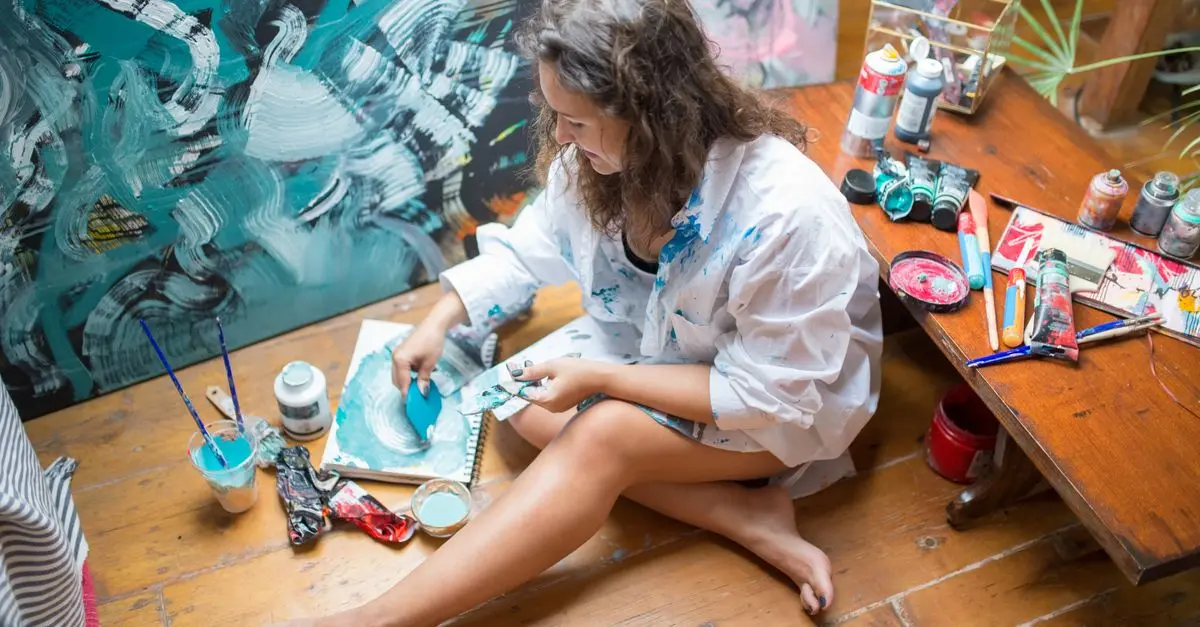
To discover your artistic identity, it’s vital to experiment with a variety of artistic mediums. Trying new things can lead to unexpected insights about what truly resonates with you. Here are some mediums to consider:
- Paint (acrylic, oil, watercolor): Experiment with color, brush strokes, and styles.
- Digital art: Explore design tools and software that challenge traditional methods.
- Photography: Work on storytelling through a lens.
- Mixed media: Combine several materials to see what unique outcomes you can create.
This experimentation helps clarify your preferences and might reveal a passion you didn’t know you had. Don't hesitate to make mistakes; they are often the seeds of creativity.
4. Develop a Personal Artistic Project
Once you’ve gathered influences and explored mediums, develop a project that reflects your newfound insights. This could be a series of paintings or sculptures, a collection of poems, or even a short film. Here are some tips:
- Set a theme: Focus on a concept that resonates with you emotionally.
- Document your process: Keep a journal to jot down thoughts or challenges you face during creation. This documentation can help you understand your growth as an artist.
- Seek feedback: Share your process with trusted peers or mentors to gain valuable insights and perspectives.
Creating a personal project establishes a tangible representation of your artistic identity. This practice not only fuels creativity but also strengthens your portfolio.
5. Analyze Your Work and Seek Critique
As you complete projects, take time to analyze your work critically. Ask yourself:
- What themes recur in my pieces?
- How does my emotion translate to visuals or text?
- Are there aspects of my work that feel authentic versus performative?
Feedback is vital—consider joining art communities, both online and offline, where you can share your work and gain constructive criticism. Remember, criticism should be viewed as a tool for growth, not a source of discouragement.
| Criteria | Experiments | Projects | Critique |
|---|---|---|---|
| Explore new mediums | Identify your voice | Document the process | Gain insights |
| Reflect on influences | Execute a theme | Analyze recurring themes | Join communities |
| Develop your brand | Showcase your uniqueness | Seek constructive feedback | Grow resiliently |
7. Create a Supporting Network
Surrounding yourself with like-minded individuals can significantly influence your artistic journey. Engage with communities such as:
- Local art groups: Build connections with other artists in your area who may share similar goals or styles.
- Online forums: Websites like DeviantArt or Behance allow you to connect with global artists.
- Workshops and classes: Taking part in these environments can provide not only skills but also collaborative opportunities that can enhance your creativity.
8. Continuously Evolve Your Identity
Finally, it’s essential to recognize that your artistic identity will evolve over time. As you grow personally and professionally, your style and influences may change. Stay open to this evolution and be willing to adapt. Regularly assess your work and aspirations to ensure they align with your current vision as an artist.
📺 Resource Video
> 📺 For further exploration: Finding Your Artistic Voice, a comprehensive analysis on how to effectively uncover your unique art style. Search on YouTube: find your artistic identity.
Glossary
| Terme | Définition |
|---|---|
| Artistic Identity | The unique blend of influences, experiences, and perspectives that defines an artist's work. |
| Medium | The materials or methods used to create art, such as paint, photography, or digital tools. |
| Authenticity | The quality of being genuine or true to one's self in the creation of art. |
Checklist for Finding Your Artistic Identity
- [ ] Understand the meaning of artistic identity
- [ ] Reflect on personal influences and experiences
- [ ] Experiment with various artistic mediums
- [ ] Develop a personal art project
- [ ] Analyze and seek critique for your work
- [ ] Stay authentic to your true self
- [ ] Create a supportive network of fellow artists
- [ ] Embrace the evolution of your artistic journey
🧠 Quick Quiz: What is the most crucial step in discovering your artistic identity?
- A) Experimenting with different mediums
- B) Seeking feedback from others
- C) Reflecting on personal influences
Answer: C - Reflecting on personal influences helps build a foundational understanding of your artistic self.
📺 Pour aller plus loin : finding your artistic identity 2026 sur YouTube