Table of Contents (9 sections)
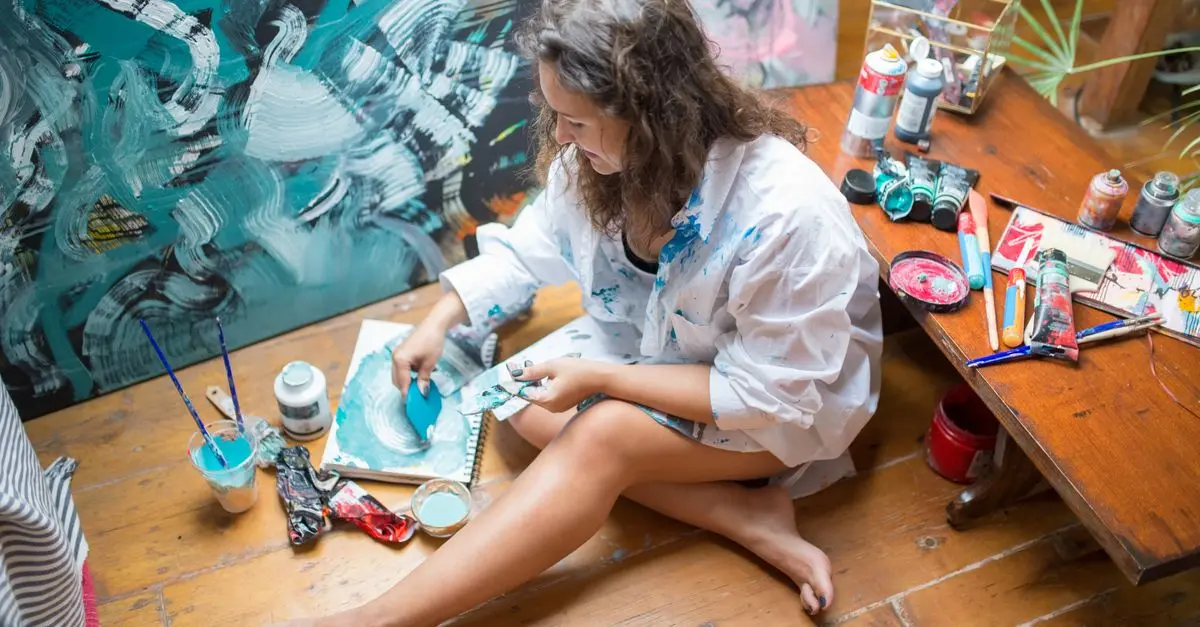
Finding your artistic identity is a transformative journey that allows you to express your unique vision through your art. Whether you are a painter, writer, musician, or any type of artist, understanding who you are creatively will not only enhance your work but also build your confidence and authenticity as an artist. In this guide, we'll explore detailed steps to help you discover and cultivate your artistic identity, committing to the exploration of your creativity.
1. Understand What Artistic Identity Means
To begin your journey, it's imperative to comprehend what artistic identity entails. Think of your artistic identity as a combination of your values, interests, experiences, and influences. According to UFC-Que Choisir, artists with a strong sense of self are more likely to connect with their audience effectively and maintain artistic integrity. Your artistic identity is not just a collection of styles or themes; it is about how you perceive the world and express your unique interpretation through various mediums. Reflecting on your childhood experiences, educational background, and values can provide insights into the narratives you want to share through your art.
To explore your artistic identity, consider these questions: What subjects resonate with you? What emotions do you wish to express through your artwork? Jotting down your thoughts and feelings can act as a springboard for deeper exploration.
2. Explore Different Mediums and Styles
Step two involves experimentation with various artistic mediums and styles. As you navigate through diverse forms of expression—from painting to digital art, sculpture to photography—you're likely to stumble upon techniques or styles that resonate with you. 60 Millions de Consommateurs suggests that artists who experiment broaden their understanding of their artistic capabilities and preferences.
To get started:
- Choose at least three different mediums to explore. For example, if you usually paint, try adding photography or digital illustration into your routine.
- Take workshops or classes to learn new techniques. Online platforms like Skillshare or local art schools often offer valuable resources.
- Keep an open mind; sometimes, an unexpected style aligns perfectly with your artistic vision. Don’t shy away from creating messy art as it can lead to profound discoveries about your preferences.
3. Create a Consistent Artistic Practice
Developing a consistent artistic practice is foundational in determining your artistic identity. It's essential to set aside dedicated time for your creative endeavors, making it a priority rather than a sporadic activity. According to a study by INSEE, artists who engage regularly in their craft tend to evolve their unique voice faster than those who practice infrequently. This structured approach not only hones your skills but also allows you to observe patterns in your work.
Here are some tips for establishing a routine:
- Schedule dedicated art sessions weekly. Treat these like important work meetings or appointments.
- Experiment with creating daily sketches or journals to chronicle your ideas, which can help foster creative growth.
- Reflect on your creations regularly to identify shifts in your style and preferences. This self-assessment is crucial in grasping your artistic evolution.
4. Seek Inspiration from Other Artists
Inspiration from fellow artists can provide a fresh lens through which to view your own work. It can challenge your conventions, prompting you to step outside of your comfort zone. Engaging with art communities, attending galleries, and following artists on social media platforms opens your horizons. According to Les Numériques, participating in critique groups or artist collectives can facilitate dialogue and feedback that can prove invaluable.
When looking for inspiration:
- Analyze the work of artists you admire. Identify elements that resonate with you to influence your work.
- Attend workshops or lectures where you can meet other artists to share ideas and experiences.
- Create a vision board with images that inspire you, capturing colors, themes, and styles that pique your interest.
5. Document Your Artistic Journey
Documenting your artistic journey can illuminate patterns and highlight moments in which your artistic identity is evolving. Keeping records of your artwork, ideas, and thoughts sheds light on the progress you make and can serve as a portfolio. According to feedback from established artists, this practice can reveal surprising shifts in your identity over time.
To implement better documentation:
- Maintain an art diary where you record your inspirations, thoughts, and reflections on your works.
- Take high-quality photos of your artworks and organize them chronologically in a digital portfolio. This helps in noticing any recurring themes, colors, or techniques.
- Regularly review your work to assess growth and changes, allowing you to pinpoint what aspects of your identity are most pronounced.
📺 For Further Exploration
How to Find Your Artistic Identity (Youtube) offers thorough insights into the journey of finding your artistic self. This video is integral to understanding the nuanced processes involved in creatively discovering oneself.
Checklist for Finding Your Artistic Identity
- [ ] Reflect on your life experiences and influences
- [ ] Explore three different artistic mediums
- [ ] Set a consistent weekly art practice
- [ ] Engage with other artists for inspiration
- [ ] Document your artistic journey in an art diary
Glossary
| Term | Definition |
|---|---|
| Artistic Identity | The unique combination of values, interests, and experiences that informs an artist's work. |
| Medium | The materials or techniques used to create an artwork, such as paint, clay, or digital tools. |
| Portfolio | A curated collection of an artist's work showcasing their style and evolution over time. |
> 🧠 Quick Quiz: What is an essential part of finding your artistic identity?
> - A) Copying famous artists
> - B) Experimenting with different mediums
> - C) Avoiding feedback from others
> Answer: B — Experimenting with different mediums helps you discover what resonates with you.
Finding your artistic identity requires exploration, consistency, and reflection. By following these steps, you can embark on a rewarding path that enhances not only your art but also your understanding of yourself as an artist. If you’re ready to refine your creative journey, start today and allow your artistic identity to emerge authentically.
📺 Pour aller plus loin : how to find your artistic identity sur YouTube