Table of Contents (16 sections)
Exploring different art mediums opens the door to a world where creativity knows no bounds. By experimenting with various materials and techniques, artists can discover what truly resonates with their unique style. This guide will take you step-by-step through the process of trying out different mediums, providing practical tips and insights along the way.
Step 1: Understanding Art Mediums
Before diving into the hands-on exploration, it is essential to understand what art mediums are. In the art world, a medium refers to the materials and tools used to create an artwork. Common mediums include pencil, charcoal, watercolor, acrylics, oils, ink, and digital tools. Each medium offers its unique properties and can profoundly influence the final outcome of an artwork.
The Importance of Choosing the Right Medium
Understanding the characteristics of various mediums is crucial for artists. For instance, acrylic paints dry quickly and are flexible, making them suitable for layering techniques. On the other hand, oil paints provide a rich color depth and take longer to dry, allowing for more intricate blending. Choosing the right medium can affect not only the technical execution of a piece but also its emotional impact.
Step 2: Gather Your Supplies
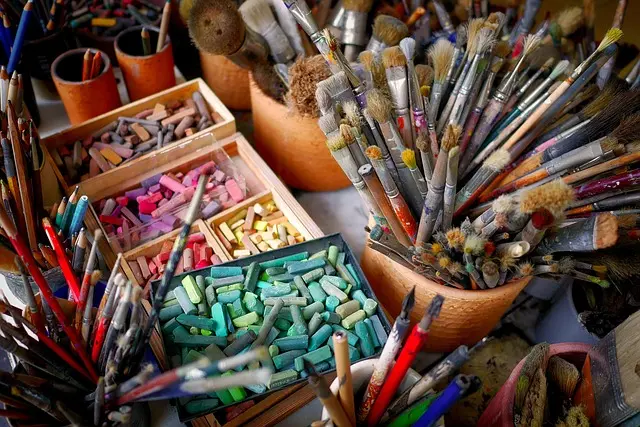
To start experimenting with different art mediums, you need to prepare a well-stocked art supply kit. Here’s a basic checklist:
- Pencils and Charcoal: Ideal for sketching and drawing.
- Watercolor Paints: For soft, translucent paintings.
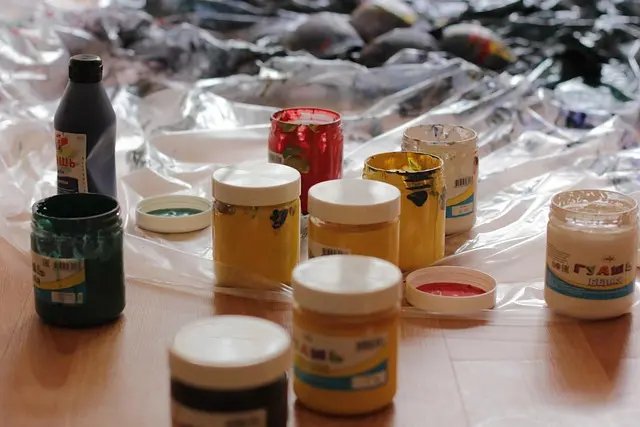
- Acrylic Paints: Great for vibrant, quick-drying artworks.
- Oil Paints: For rich, textural effects, though they require more time.
- Digital Tools: Such as tablets with software for digital art creation.
Having these supplies readily available will allow you to explore various techniques without interruption. As you gain experience, consider experimenting with mixed media, combining different materials for added texture and depth.


Step 3: Experiment with Techniques
Once you've gathered your supplies, it's time to experiment. Each medium has unique techniques associated with it. Here are a few worth trying:
- Watercolor: Practice wet-on-wet and dry brush techniques for different effects.
- Acrylic: Explore layering, glazing, and impasto for varied textures.
- Charcoal: Work on shading techniques to bring depth to your drawings.
- Digital Tools: Experiment with brushes and effects available in digital art software.
By trying out various techniques, you can better assess which mediums and styles align with your artistic voice. It's crucial not to shy away from making mistakes; each misstep often leads to valuable lessons.
Step 4: Create a Series of Small Works
Instead of focusing on a single large piece, create a series of smaller works. This approach allows for exploration without the pressure of a 'masterpiece.' Try to focus on a specific theme or technique for each piece. For example, create three small paintings:
- One using only watercolor to grasp its fluidity.
- Another in acrylic to capture vibrancy.
- Finally, a drawing with charcoal to enhance shading skills.
This method not only helps you experiment freely but also builds a portfolio showcasing your growth and skills across various mediums.
Step 5: Seek Feedback and Reflect
As you create, seek feedback from fellow artists, friends, or art communities. Their perspectives can be invaluable. Online platforms like Instagram and art forums provide great avenues for getting constructive feedback. After receiving input, take time to reflect on what you've learned. What mediums felt most comfortable? Which techniques aligned with your personal style? This introspection is essential for growth.
Mistakes to Avoid
While experimenting with various mediums, avoid the following common pitfalls:
- Rushing through techniques without full practice.
- Sticking too rigidly to one medium out of comfort.
- Ignoring feedback that could help refine your skills.
Pro Tips
- Schedule regular times to experiment to build a habit around creating.
- Always keep a sketchbook for spontaneous ideas and practice.
- Join workshops or classes to learn from experienced artists and gain hands-on guidance.
Step 6: Developing a Unique Style
As you continue to explore different art mediums, patterns will emerge. Over time, you might find a particular medium or technique that resonates deeply with you. Start incorporating this into your practice, but remember—your style is always evolving. Don’t be afraid to continue experimenting as you develop.
Stupell Home Decor Country Sunflower Field Canvas Wall Art, Multi - Multi - Size: 36X48
kohls.com

PEACE FOR ALL Graphic T-Shirt Yu Nagaba Natural Small UNIQLO US S unisex
uniqlo.com

Comparison of Popular Art Mediums
| Medium | Pros | Cons | Ideal For |
|---|---|---|---|
| Acrylic | Quick drying, vibrant colors | Can become muddy if layered | Mixed media, abstract art |
| Oil | Rich texture, depth | Long drying time | Portraits, landscapes |
| Watercolor | Soft effects, easy to blend | Less control, can be translucent | Illustrations, landscapes |
| Charcoal | Great for shading | Messy, can smudge easily | Drawings, sketches |
Conclusion
Exploring different art mediums is an essential part of an artist's journey. By embracing the process and allowing yourself the freedom to experiment, you will gradually uncover your unique style. Remember, the journey is just as important as the destination.
💡 Expert Insight: Regular practice across different mediums can lead to unexpected breakthroughs. Being versatile enhances creativity and adaptability.
📺 Resource Video
To deepen your understanding, check out Mastering Art Mediums, an in-depth guide on different art materials and techniques. Search for: "mastering art mediums 2026" on YouTube.
Glossary
| Term | Definition |
|---|---|
| Medium | The materials used for creating art. |
| Impasto | A technique where paint is laid on thickly to create texture. |
| Mixed Media | Art that combines various materials and techniques. |
Checklist for Exploring Art Mediums
- [ ] Gather a variety of art supplies.
- [ ] Experiment with new techniques in each medium.
- [ ] Create small works to practice without pressure.
- [ ] Seek feedback on your pieces.
- [ ] Reflect on your experiences and adjust accordingly.
Recommended products
Selected by our experts


SECOND SKIN Surgical Grade Closed Toe 20-30 mmHg Thigh High Silicone Dot Top - Black / Medium Black Medium
compressionsale.com

Estee Lauder 186487.1.8DDA.374E07E860279B60.SKU201535 - female - Size: 0.1 oz
esteelauder.com

Estee Lauder 186487.1.8DDA.2BE04B72F240C0CA.SKU201539 - female - Size: 0.1 oz
esteelauder.com

The Metropolitan Museum of Art Unicorn in a Garden Tee - 14K Gold Plate - Medium
store.metmuseum.org