Table of Contents (12 sections)
Developing a unique artistic voice is essential for any artist wishing to stand out in today's saturated market. It represents the intersection of personal expression, style, and creativity. Having a distinct voice allows artists to communicate their ideas clearly and resonate with their audience. In this tutorial, we will explore step-by-step methods that will guide you in discovering and honing your unique artistic voice, making it not just about the art but also about who you are as an artist.
Step 1: Understand Your Influences
Before you can develop your unique artistic voice, it’s important to understand the influences that have shaped you as an artist. Who inspires you? Identifying your influences can help clarify what elements resonate with you. Make a list of artists, movements, and experiences that have left a mark on your artistic journey. Review their works critically to see what aspects you admire and why. This reflection can provide a foundation upon which you can build your personal style. For instance, if you are inspired by the bold colors of Henri Matisse, consider how you might incorporate vibrant palettes into your own work. Keep a detailed sketchbook of thoughts and ideas that emerge from this process.
Step 2: Experiment with Different Mediums
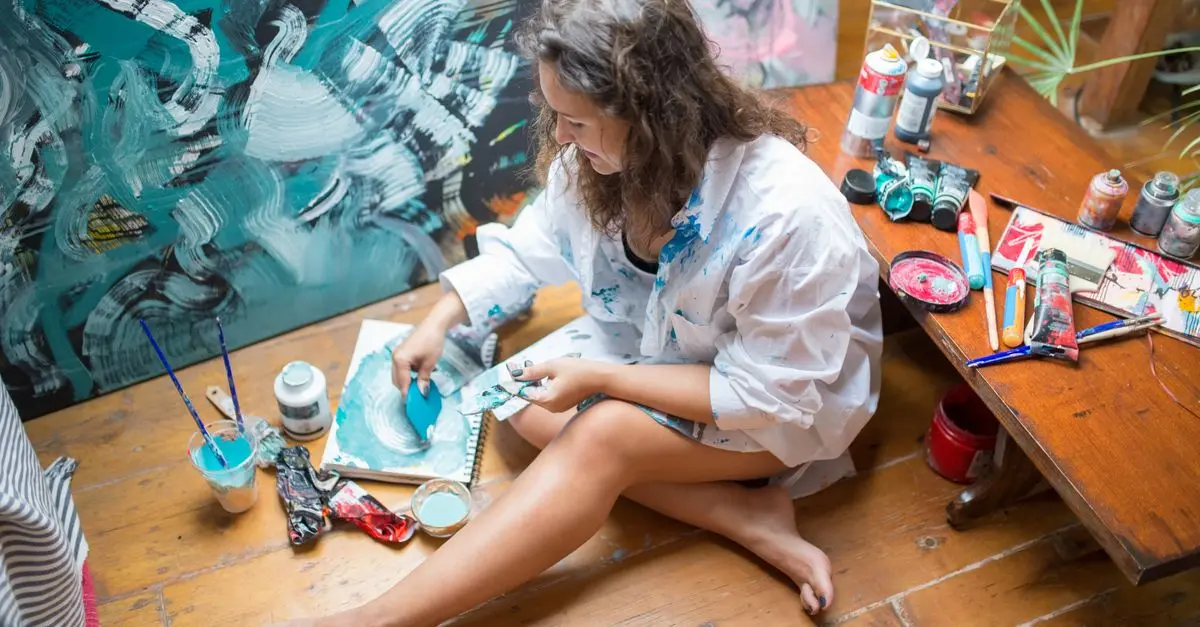
Another essential step in developing your unique artistic voice is to experiment with various artistic mediums. Don’t limit yourself to one type of art. Try painting, sculpture, digital art, or mixed media. Each medium has distinct characteristics and techniques that can yield diverse expressions. For example, if you typically work with acrylics, trying out watercolor or digital illustration can open new avenues for creativity. Additionally, experimenting helps you uncover your preferences and strengths. Track your experiences to identify what feels most authentic to you. Common Mistake to Avoid: Avoid falling into the trap of limiting yourself to what you know. Growth happens when you step out of your comfort zone.
Step 3: Create Purposeful Work
Once you have explored influences and mediums, move to the third step: creating artwork intentionally. What messages do you want to convey? Select themes or concepts that are meaningful to you and showcase these in your work. Whether it's a reflection of societal issues, personal emotions, or abstract ideas, intentional art often resonates more with audiences. A tip: Set aside regular time for creating without distractions to funnel your ideas into tangible art. Remember that not every piece will be a masterpiece, but the act of creating with purpose will help refine your artistic voice over time.
Step 4: Solicit Feedback and Engage with Other Artists
Building a unique artistic voice also requires interaction with the art community. Reach out for feedback. Join local art groups or online forums where you can share your work and receive critiques. Engaging with fellow artists allows you to gain insights into how others perceive your work and what stands out. Be open to constructive criticism and use it to improve. Balancing personal vision with external perspectives can enhance your development.
Additionally, consider collaborating with other artists. This can expose you to new techniques and ideas that inspire evolution in your work. Expert Opinion: As noted by art educator Linda Hill, “Collaboration breaks boundaries and enhances creativity.”
Step 5: Establish a Consistent Artistic Routine
To truly hone your artistic voice, consider developing a consistent artistic practice. Establishing a routine helps cultivate discipline, allowing you to invest time into experimentation, creation, and reflection. Set goals for your creative journey, whether it’s completing a certain number of pieces per month or exploring specific techniques. Over time, this will lead to significant growth and clarity of your voice. Consistency reinforces your identity as an artist and helps streamline your thought processes.
Step 6: Reflect and Evolve
Once you’ve established your artistic routine, take time to reflect regularly on your creative journey. What progress have you made? Evaluate your growth, recognize patterns in your work, and identify areas for improvement. Artistic voices are not static; they evolve with experiences, emotions, and societal changes. Common Pitfall: Failing to reflect can result in stagnation. Embracing change keeps your work fresh and relevant.
📺 Video Resource
> 📺 For further insight: Exploring Artistic Voice, a comprehensive guide to understanding and developing your unique artistic style. Search on YouTube: how to develop an artistic voice.
Checklist for Developing Your Unique Artistic Voice
- [ ] Identify key influences on your art.
- [ ] Experiment with a variety of mediums.
- [ ] Create artwork with specific themes.
- [ ] Seek feedback from peers and mentors.
- [ ] Develop a consistent creation routine.
- [ ] Regularly reflect on your progress and work.
Glossary
| Term | Definition |
|---|---|
| Artistic Voice | The personal style and individual expression that defines an artist's work. |
| Medium | The materials or techniques used to create artwork, such as paint, clay, or digital tools. |
| Intentional Art | Art created with specific themes or messages in mind, aiming to convey certain emotions or ideas. |
Conclusion
In conclusion, developing your unique artistic voice is a multifaceted process involving exploration, reflection, and engagement. By understanding your influences, experimenting with mediums, creating purposefully, seeking feedback, establishing routines, and allowing for evolution, you will cultivate a distinct voice that resonates with audiences. Are you ready to embark on this journey? Your unique artistic voice awaits.
Quick Quiz
> 🧠 Quick Quiz: What’s the first step to developing your unique artistic voice?
> - A) Experiment with mediums
> - B) Understand your influences
> - C) Create artwork intentionally
> Answer: B — Understanding your influences is foundational to your unique voice.
📺 Pour aller plus loin : how to develop an artistic voice sur YouTube