Table of Contents (11 sections)
Finding your unique artistic voice is a journey filled with self-discovery, experimentation, and courage. In this guide, we provide a structured approach to help you navigate the intricate process of becoming an artist. Whether you're just starting or looking to refine your existing style, follow these steps to carve out an artistic identity that resonates with you.
1. Understand Your Inspirations
Before you can develop your unique artistic voice, it's essential to understand what inspires you. Your inspirations shape your vision, style, and ultimately, your voice. Take time to reflect on what art pieces resonate with you and why. Is it the vibrant colors, the emotional narratives, or the technical skills? Consider keeping a journal where you document your thoughts, feelings, and artistic reactions to various works.
For instance, if you find yourself drawn to the surrealism of Salvador Dalí, identify the elements that captivate you. Is it the dreamlike quality of his landscapes or the way he challenges reality? This reflection is not only about what you like; it's about connecting with the emotional depth of your inspirations. Establishing this connection will lay the foundation for your unique style.
2. Experiment with Different Mediums
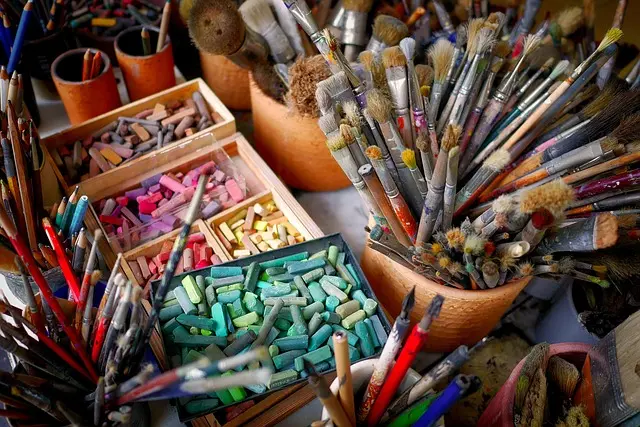
Artistic voice often emerges richly from experimentation. Whether you're a painter, sculptor, digital artist, or photographer, try multiple mediums to see what resonates with your identity and creative expression. Painting with oils can yield different emotions compared to watercolors, while digital art allows for flexibility and instant edits.
For example, consider trying acrylics if you've primarily worked with oils. Acrylics dry faster and can be layered to create vibrant, bold compositions. The friction of switching mediums may lead to discovering new techniques or styles that cater to your natural inclinations, guiding you toward your artistic voice. Monitor your feelings as you explore various mediums and take note of what excites you most.
3. Define Your Subject Matter
What themes or subjects do you gravitate towards? Understanding the core subjects you enjoy exploring will help polish your unique artistic voice. Engage in sketching or brainstorming sessions where you jot down your interests—be it nature, emotions, societal issues, or personal experiences.
For example, an artist whose work involves environmental themes may benefit from diving into sustainability-focused projects. This theme will not only guide their artistic decisions but also invite dialogue among audiences regarding pressing issues. As you define your subject matter, remember that your voice is also what you choose to communicate through art.
4. Create a Signature Style
Once you’ve explored your inspirations and mediums, start cultivating a signature style that reflects your findings. This includes elements such as color schemes, brushwork, or composition choices. Your signature can manifest as recurring patterns or motifs that appear in your work.
For instance, if you discover that you often use pastel colors, consider leaning into that palette to evoke specific emotions or themes in your art. This does not mean restricting yourself but rather evolving your art with identifiable traits that create a cohesive body of work. Over time, these elements will create a distinct signature that not only appeals to you but speaks to others who may connect with your expressed identity.
5. Seek Feedback and Iterate
Feedback is a critical part of artistic growth. Share your work with fellow artists, mentors, or online communities to gain diverse perspectives on your artistic voice. Look for constructive criticism that challenges your current concepts and inspires improvements.
When receiving feedback, approach it with an open mind. Not every piece of feedback will resonate; however, acknowledging patterns in responses can provide insights into how your art is perceived. Iterate based on this feedback—consider working on smaller projects that allow you to experiment with new ideas or techniques without the pressure of grand-scale artwork.
6. Develop a Consistent Practice
While inspiration can strike unexpectedly, establishing a consistent artistic routine can solidify your voice. Whether it’s daily sketches or weekly painting sessions, having a practice routine allows you to continuously refine your skills and explore your artistic nature in depth.
Scheduling time to create each week can also create a habit that fosters artistic growth. Committing time over the long run helps deepen your craft and connects you more intricately with your chosen subjects, leading you to more genuine artistic expression. Over time, consistency nurtures improvement and refinement, enhancing the clarity of your artistic voice.
7. Embrace Your Uniqueness
Finally, embrace the uniqueness you bring to your art. There’s no right or wrong way to develop your artistic voice; it’s about sincerity and authenticity. Don’t shy away from your quirks, imperfections, or unconventional choices. These aspects make your art genuinely yours.
Remember, the journey of discovering your voice takes time and patience. Allow yourself to evolve—that's where growth happens! Celebrate your growth, whether it’s through small victories or monumental breakthroughs. Your artistic voice will resonate through the canvas, speaking to others and representing your essence as an artist.
Checklist for Developing Your Unique Artistic Voice
- [ ] Reflect on your inspirations and document them.
- [ ] Experiment with at least three different mediums.
- [ ] Write down core themes you wish to explore in your work.
- [ ] Develop recurring styles or motifs in your creations.
- [ ] Share your art regularly and seek feedback.
- [ ] Create a consistent art practice schedule.
- [ ] Celebrate your unique artistic qualities and growth.
Glossary
| Term | Definition |
|---|---|
| Artistic Voice | The unique expression of an artist, encompassing style, technique, and subject matter. |
| Medium | The materials or techniques used to create a work of art (e.g., oil paint, digital tools). |
| Subject Matter | The themes or topics that an artist chooses to depict in their work. |
> 📺 For further insights: [How to Find Your Artistic Voice], a deep dive into methods for discovering your personal art identity. Search on YouTube: "how to develop your artistic voice 2026".

Homary 3D Glam Big Gold Round Wall Decor Unique Decorative Metal Home Hanging Art Living Room
homary.com


Quiz rapide : What is the first step to discovering your artistic voice?
- A) Try out different art styles
- B) Reflect on your inspirations
- C) Seek feedback from others
Réponse : B — Understanding what inspires you lays the essential groundwork for your unique voice.
📺 Pour aller plus loin : how to develop your artistic voice 2026 sur YouTube
Recommended products
Selected by our experts

Homary 30" Large Metal Geometric Wall Clock with Wood Pointer Modern Home Decor Black & Gray
homary.com
Povison "51""Modern Round Glass Dining Table for 4, Gray Tempered Glass Circle Dining Room Table for Kitchen, Glass Kitchen Table, Black X Carbon
povison.com