Table of Contents (12 sections)
Becoming an artist is a journey of self-discovery, creativity, and expression. One key aspect of this journey is the development of your unique artistic style. This article provides a comprehensive step-by-step guide that will help you evolve your artistic style over time. Here are the main steps to follow:
1. Understand the Fundamentals of Art
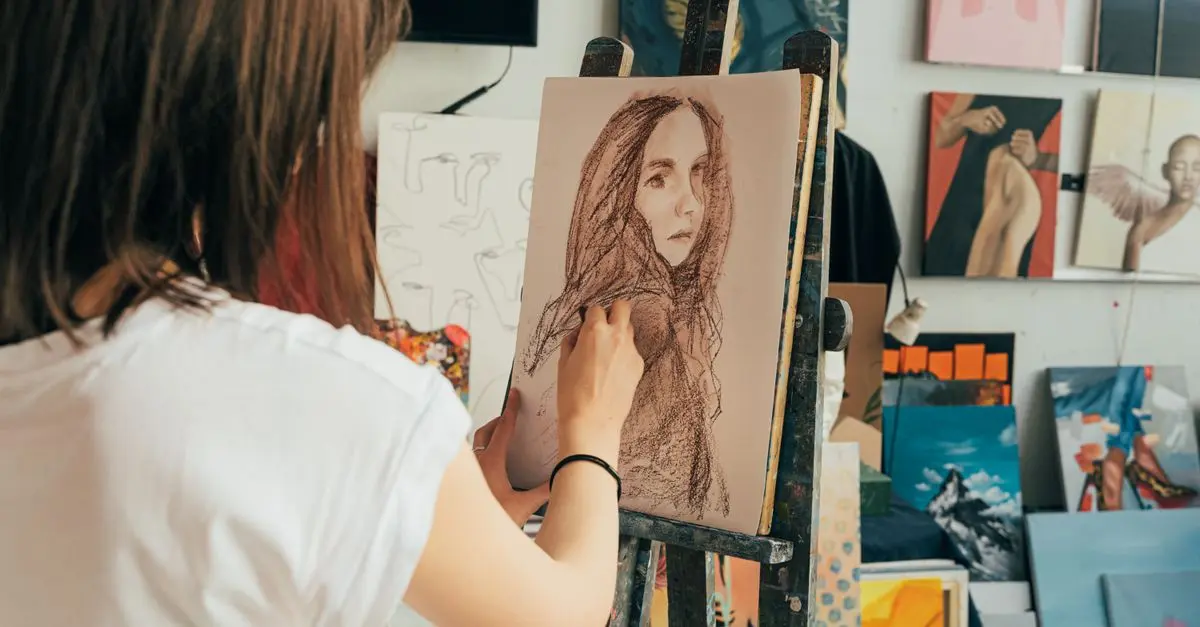
Before delving into personal style, it's crucial to grasp the foundational elements of art. This includes knowledge of color theory, composition, perspective, and various techniques. Start by practicing basic forms of drawing and painting. For example, take a still-life drawing class or experiment with watercolor techniques. According to UFC-Que Choisir, engaging with these fundamentals not only enhances your skills but also enriches your understanding of what makes art resonate.
One common mistake novice artists make is to skip fundamental practice, thinking their unique style will emerge without a solid base. However, creativity often flourishes from proficiency in these basics. Spend time refining your technical skills and don’t rush through this process—it can set the stage for your personal artistic narrative.
2. Explore Different Mediums and Techniques
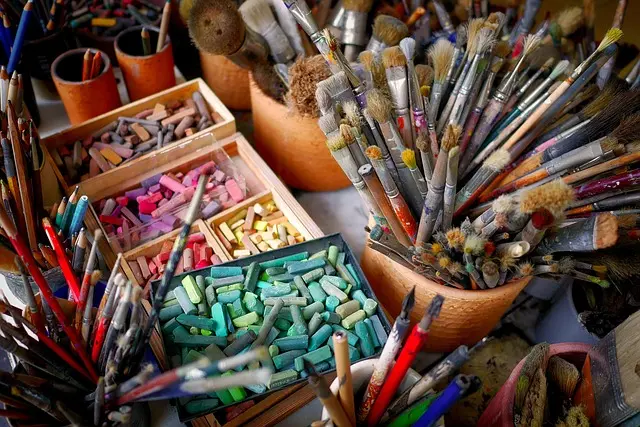
Experimenting with various art forms and mediums is essential in discovering what resonates with you. From acrylics to oils, digital art to sculpture—each medium offers different possibilities for expression. Engage with diverse artistic techniques such as mixed media or collage. This exploration can illuminate aspects of your creativity you might not otherwise see.
Moreover, attend workshops and join art communities where you can learn from others while gaining exposure to different styles. For instance, participating in a local artist's group can provide feedback and inspire new ideas. Be open-minded and allow yourself to try unconventional approaches; you may find a new favorite medium that influences your style significantly.
3. Reflect on Personal Experiences and Influences
Art is deeply personal, often rooted in the artist's experiences, emotions, and thoughts. Reflecting on your life’s journey can significantly influence your artistic style. Consider the moments, people, or places that have shaped your identity. Document these inspirations in a journal and revisit them regularly.
Many artists create thematic collections based on their reflections. For example, Frida Kahlo used her life experiences as the core of her art. By channeling your personal narrative into your artwork, you cultivate an authenticity that is deeply resonant. Avoid the pitfall of copying others' styles; instead, use inspiration to forge your unique narrative.
4. Analyze Artists You Admire
Identifying and studying artists whose work resonates with you can provide insight into how to refine your style. Analyze their techniques, use of color, and subject matter. Create a visual mood board that encapsulates their essence alongside your artwork. This practice helps you understand what draws you to their style while discerning aspects you might incorporate into your own.
To avoid the trap of derivative work, consciously focus on how these influences can inspire your innovations. This form of critical analysis will enhance your artistic vocabulary and give you the tools to explain your own style when engaging with others.
5. Create Regularly and Stay Consistent
One of the most effective ways to develop your artistic style is through consistent practice. Set aside dedicated time each week for artwork. Make it a habit to create something new, regardless of whether it appears 'good' or not—every piece contributes to your growth.
Many renowned artists stress the importance of persistence. According to a survey conducted by The Art League, artists who create regularly tend to evolve their style more distinctly over time. Track your progress and note changes; you may identify trends or shifts in your artistic direction that align with your evolving identity.
6. Seek Constructive Feedback
Gaining feedback from trusted peers or mentors can be invaluable in your artistic journey. This feedback helps identify strengths and areas for improvement in your work, aiding you in honing your artistic voice. Don’t shy away from criticism; instead, view it as an opportunity for growth.
Participate in critiques and artist circles; many communities provide safe spaces for open discussion. An effective way to frame your art is by preparing specific questions about what you want feedback on. This will aid your collaborators in providing focused and actionable insights, fostering your evolution.
7. Embrace Evolution and Change
Your artistic style will evolve over time as you gather new experiences, influences, and techniques. Embrace this evolution as a natural part of your artistic journey. What speaks to you today may change tomorrow—and that’s perfectly okay. Your style reflects your growth, and it’s less about consistency and more about authenticity and connection.
Maintain a portfolio to document this evolution. By revisiting past works, you can see how your style has developed and gain insights into your artistic progress. Avoid the urge to pin yourself down to a single style; flexibility can lead to unexpected and beautiful outcomes.
8. Finalize Your Artistic Vision
As you begin to see patterns and themes in your work, start defining your unique artistic vision. This vision should encapsulate your message, style, and emotional thematic elements. This could evolve into a signature style, recognizable elements within your artwork that express your crafted identity.
Now that you’ve gone through these steps, consider how you want audiences to perceive your art. Aligning this vision with your practice will help solidify your place as an artist while guiding your future creations.
Checklist for Developing Your Unique Artistic Style
- [ ] Master foundational art skills.
- [ ] Experiment with different mediums and techniques.
- [ ] Reflect on personal experiences and influences.
- [ ] Analyze admired artists and create a mood board.
- [ ] Create art consistently.
- [ ] Seek constructive feedback regularly.
- [ ] Embrace change and evolution in your work.
- [ ] Finalize your unique artistic vision.
📺 Resource Video
> For further exploration: How to develop your artistic style over time, a detailed overview on maintaining artistic growth. Search on YouTube: how to develop your artistic style.
Glossary
| Terme | Définition |
|---|---|
| Artistic Style | The distinct manner in which an artist expresses their creativity, including techniques, medium, and thematic elements. |
| Medium | The materials or techniques used in creating a piece of art, such as paint, ink, or digital tools. |
| Artistic Vision | A comprehensive understanding of the messages and emotions an artist seeks to convey through their work. |
---
📺 Pour aller plus loin : how to develop your artistic style sur YouTube