Table of Contents (15 sections)
Discovering and developing a unique artistic style is an essential journey for any artist seeking to express their individuality and creativity. This comprehensive guide will walk you through the steps you need to take, the common pitfalls to avoid, and the aspects of artistic development that can lead you to a distinctive style that resonates with both you and your audience.
Understanding Unique Artistic Style
A unique artistic style is a combination of techniques, color preferences, subject matter, and the emotions an artist wants to evoke. It serves not only as a personal signature but also as a means of communication. According to a survey conducted by the National Endowment for the Arts, individual style can significantly influence how the work is received, particularly when the style aligns with the artist's personal experiences and emotions. Artists such as Van Gogh and Frida Kahlo exemplify how life experiences can inform and shape style, leading to works that are deeply personal yet universally appealing.
Understanding your unique artistic style begins with introspection. Are you drawn to bright, bold colors, or do you prefer subtle, muted tones? Do you enjoy abstract forms or realistic portrayals? Taking time to evaluate your preferences is the first step towards establishing your identity as an artist.

Deadwood Trading Skavoovie - Soft Wool Felt Pork Pie Hat - Large / Black
hatcountry.com

Homary 3D Glam Big Gold Round Wall Decor Unique Decorative Metal Home Hanging Art Living Room
homary.com

Step 1: Explore Various Mediums
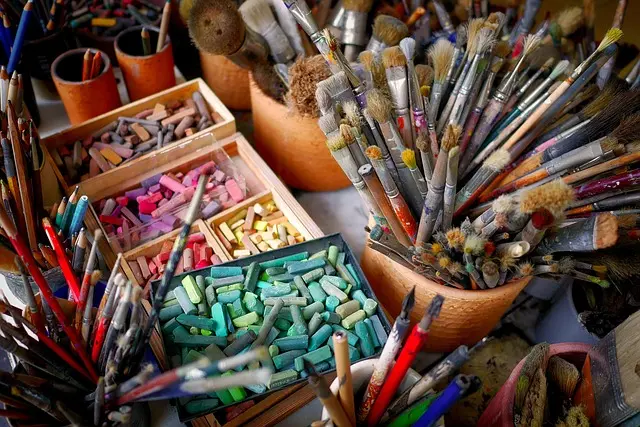
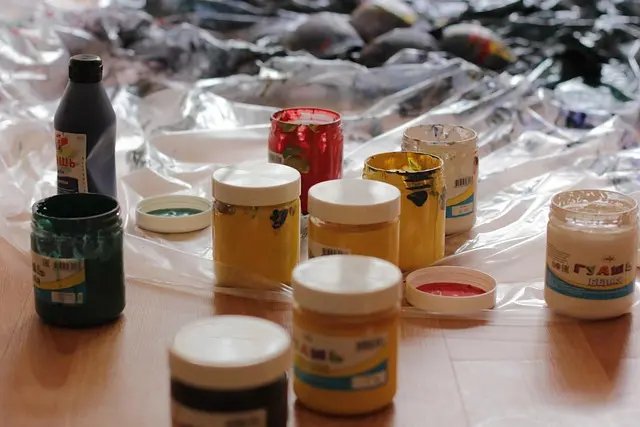
Experimenting with diverse art forms is crucial in helping you discover what resonates with you. Whether it’s painting, drawing, sculpting, photography, or digital art, each medium has its own set of strengths and weaknesses. For example, if you typically paint with oils, trying watercolors might introduce you to new techniques and creative ways to express yourself.
A 2025 report from the Art Institute of Chicago noted that artists who explored at least three different mediums before establishing their style tended to have a richer artistic vocabulary and could convey their narratives more effectively. Try using mediums you’ve never considered before and observe how they affect your output. Keep a sketchbook to note down your thoughts and reactions after each session.
Step 2: Study Influences
Learning from established artists can provide insights and inspire your own unique artistic style. Setting aside some time to study the work of various artists—both historical and contemporary—can provide direction in your practice. Look for artists who share similar influences but express them differently. A deeper understanding of their techniques can help you discover how you might adapt these approaches to suit your voice.
Creating a mood board with images, colors, and pieces that inspire you can serve as a visual reference that reflects your artistic explorations. According to a study published by Art Journal, artists who actively engaged with various influences reported a higher level of satisfaction in their artistry and originality, showing that diverse inspirations can lead to a more robust personal style.
Step 3: Create Regularly
Regular practice is pivotal for any artist. Scheduling consistent time for creating art helps establish muscle memory, enhances technical skills, and ultimately leads to a more refined style. It’s essential to create art that excites you, even if it occasionally strays away from your conventional themes or formats.
Establish a routine that works for you—some artists thrive on daily practices, while others may find weekly sessions more manageable. The key is to maintain a steady flow of creativity. Art therapists have highlighted that regular creative practices can significantly improve emotional and psychological well-being, which in turn reflects in the quality and authenticity of the artwork created.
Step 4: Seek Feedback
Interacting with fellow artists and obtaining feedback on your work is invaluable. Whether through workshops, social media, or local art clubs, sharing your work allows for constructive criticism that can pinpoint areas of strength and growth. Constructive feedback can provide perspectives that you might not have considered, enabling you to develop your style further.
Art communities often provide platforms for artists to collaborate, critique, and celebrate each other's work, contributing to collective growth. Always remember, however, to listen critically—take feedback that aligns with your vision and helps you enhance your artistic style.

GourmetGiftBaskets.com Unique Gift For Him - Meat & Cheese Sampler
gourmetgiftbaskets.com


Homary 31.5" Large 3D Abstract & Geometric Metal Wall Decor Art for Living Room Bedroom
homary.com
Common Mistakes
While embarking on the journey to develop your unique artistic style, artists often make common mistakes that hinder progress:
- Imitating Others: While influence is essential, simply copying another artist's style can stifle your creativity.
- Fearing Criticism: Not sharing your work out of fear can prevent valuable growth.
- Overthinking: Artistic expression is inherently free-flowing. Overthinking your choices can lead to creative blocks.
Checklist for Developing Your Style
- [ ] Experiment with at least three different mediums.
- [ ] Create a mood board of influences and inspirations.
- [ ] Schedule regular creative time.
- [ ] Share your work with a community for feedback.
- [ ] Reflect regularly on your artistic journey.
Q: How long does it take to develop a unique artistic style?
A: Developing a unique artistic style varies per individual, but generally, it takes consistent practice over months to years. Your style will evolve as you grow.
Q: Can I change my artistic style over time?
A: Absolutely! Artistic styles can and often do change as you gain experience and new influences come into play.
Q: Are there any specific techniques to help develop my style?
A: Techniques such as free drawing, mixed media experimentation, and color exploration can help you find what feels right for you.
Q: Should I focus on one medium or explore multiple?
A: Exploring multiple mediums can lead to a richer, more unique style, but finding what feels comfortable is essential.
Glossaire
| Terme | Définition |
|---|---|
| Artistic Style | A distinctive manner of expression in art that reflects an artist's individual approach to technique and subject matter. |
| Medium | The materials used to create art, such as oils, watercolors, or digital formats. |
| Influence | The source of inspiration that affects an artist's creative decisions and style development. |
📺 Ressource Vidéo
> 📺 To delve deeper: Exploring Your Artistic Style, an insightful video that guides artists on the path to finding their unique voice. Search on YouTube: "how to develop artistic style 2026."
Recommended Products
- Product 1: Suggested for artists seeking stylish and functional apparel.
- Product 2: Great for home decor that inspires a creative workspace.
- Product 3: Perfect for creating unique art pieces with high-quality tools.
Conclusion
Finding your unique artistic style is an ongoing journey that requires exploration, practice, and self-reflection. Embrace the process, and your individual voice will flourish, leading to artistic works that are genuinely your own.
Call to Action
Start your artistic journey today—explore different mediums, find inspiration, and remember to enjoy the creative process!
📺 Pour aller plus loin : how to develop artistic style 2026 sur YouTube
Recommended products
Selected by our experts

Homary 30" Large Metal Geometric Wall Clock with Wood Pointer Modern Home Decor Black & Gray
homary.com
Povison "51""Modern Round Glass Dining Table for 4, Gray Tempered Glass Circle Dining Room Table for Kitchen, Glass Kitchen Table, Black X Carbon
povison.com