Table of Contents (11 sections)
Table of Contents
- Understanding Your Artistic Identity
- Experimenting with Different Mediums
- Gathering Inspiration Creatively
- Creating a Consistent Portfolio
- Gathering Feedback and Evolving
- Checklist to Develop Your Unique Style
- Glossary
- Quiz
Understanding Your Artistic Identity
Developing a unique artistic style begins with understanding your artistic identity. This involves self-reflection on your motivations, interests, and experiences that shape your views. Think about the following questions: What themes resonate with you? What emotions do you want to convey? Understanding these aspects will help you craft a style that is true to you. For instance, Frida Kahlo famously incorporated personal experiences and emotions into her works, leading to a distinctive and recognizable style.
Moreover, it's essential to consider the influences that have shaped your artistic journey. Look back at the artists, movements, or cultures that have inspired you. Why do they inspire you? Is it their technique, concept, or emotional depth? Art is often a dialogue with the history of creativity, and identifying your inspirations will inform the creation of your unique voice.
Experimenting with Different Mediums
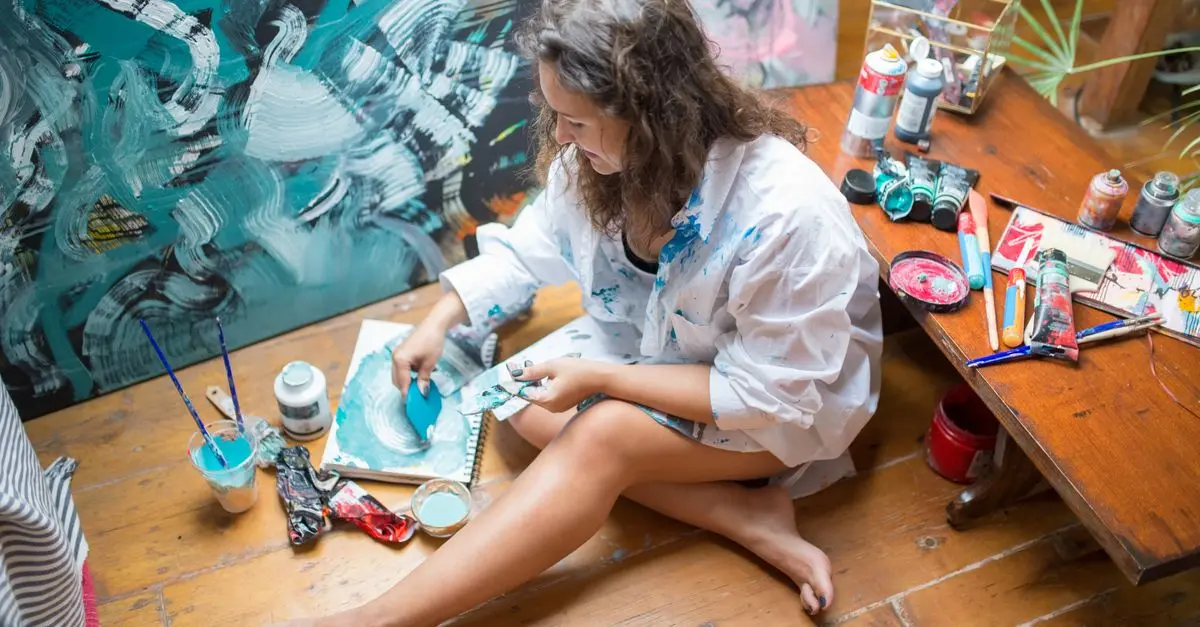
Once you have a grasp of your identity, it's crucial to experiment with various mediums. Each medium offers unique possibilities and limitations, which can contribute significantly to developing your style. For example, painting, sculpture, digital art, and photography each provide different tools for expression.
Start by allocating time to explore different techniques within each medium. For instance, if you're a painter, try watercolors, oils, and acrylics to see which resonates more with you. Statistics show that artists who diversify their skills often have more opportunities to innovate; a survey conducted by The Art Institute found that 60% of successful artists experimented across different mediums before honing in on their unique styles.
A mistake to avoid during this phase is sticking solely with familiar techniques. Push your boundaries and embrace the learning curve that comes with exploring something new. Remember, artists are often at their best when they step outside their comfort zones.
Gathering Inspiration Creatively
Gathering inspiration is another fundamental step in developing your artistic style. However, it is vital to approach inspiration thoughtfully to avoid unintentional copying. Engage with art forms beyond your immediate interests. For example, if you're primarily a painter, visit galleries showcasing sculptures or performances.
Additionally, create a mood board—either physically with clippings or digitally using platforms like Pinterest. This board should embody the colors, textures, and themes you're drawn to. Engaging with diverse art can spark new ideas; research shows that artists who expose themselves to various art forms develop richer, more complex styles.
When gathering inspiration, also consider sources outside the traditional art world. Literature, music, nature, or personal experiences can all serve as profound sources of creative fuel. Make it a habit to regularly note ideas, colors, or feelings that strike you, and consider how these elements might find their way into your art.
Creating a Consistent Portfolio
A unique style is often revealed in the consistency of an artist's portfolio. Begin compiling works that best reflect your artistic voice, regardless of their medium. This is an opportunity to showcase your evolution; include pieces from your experimentation phase as well as the works that truly resonate with your identity.
Create a cohesive theme throughout your portfolio. For instance, if you frequent specific color palettes or subject matter, ensure these are present across your works. The ACB (Art Competency Benchmark) emphasizes the importance of consistency: artists with a clear visual language are 40% more likely to attract gallery representation compared to those with disjointed portfolios.
Moreover, consider online platforms such as Behance or Instagram, which allow for virtual portfolios. Maintain quality by regularly updating your collection; remove outdated pieces to avoid diluting your current vision. A well-curated portfolio not only communicates your artistic journey but also shows professionalism and dedication to your craft.
Gathering Feedback and Evolving
Feedback plays a crucial role in refining your unique artistic style. Seek constructive criticism from peers, mentors, or online communities. Understand that not all feedback is equal; prioritize advice from those whose artistic opinions you value. This could be a seasoned teacher or a fellow artist whose work you admire.
As you receive feedback, remain open to critique but also know when to stick to your vision. An important thing to remember is that every artist evolves. Set benchmarks for periodically evaluating your work, and don’t hesitate to make changes that might better reflect your artistic identity. Leonardo da Vinci once said, “Simplicity is the ultimate sophistication.” This underscores the importance of clarity in your work as you evolve.
Checklist to Develop Your Unique Style
- [ ] Reflect on your artistic identity and motivations
- [ ] Experiment with different mediums and techniques
- [ ] Create a mood board for inspiration
- [ ] Compile a consistent portfolio of your works
- [ ] Seek constructive feedback from trusted sources
Glossary
| Term | Definition |
|---|---|
| Artistic Identity | The unique set of beliefs, motivations, and themes that make up an artist's creative expression. |
| Medium | The materials or techniques used by an artist to create artwork. |
| Portfolio | A collection of an artist's works that showcases their style and capabilities. |
Quiz
> 🧠 Quick Quiz: What helps you define your unique artistic style?
> - A) Following current trends
> - B) Understanding your motivations and inspirations
> - C) Copying famous artists
> Answer: B — Understanding your motivations and inspirations is crucial to developing your unique style.
📺 For further learning: How to Develop Your Unique Artistic Style, a comprehensive analysis of techniques and inspirations. Search on YouTube: how to develop unique artistic style 2026.
📺 Pour aller plus loin : how to develop unique artistic style 2026 sur YouTube