Table of Contents (11 sections)
Finding your unique artistic style is an exciting journey that culminates in the expression of your identity as an artist. In a world bursting with creativity, establishing a distinct style helps you stand out, attract followers, and create meaningful connections through your art. Whether you're a painter, photographer, sculptor, or digital artist, cultivating a personal aesthetic invites others to engage with your work on a deeper level. Here’s how to develop your unique artistic style in a step-by-step guide.
Step 1: Understand Your Influences
Before you embark on developing your unique artistic style, take a moment to reflect on your influences. Who inspires you? What artists do you admire and why? Understanding the aesthetics, techniques, and themes that resonate with you lays a robust foundation for your style. Additionally, look at different periods in art history to see how styles evolved. For instance, if you enjoy Impressionism, focus on capturing light and color in your work.
As you examine these influences, create a visual board using platforms like Pinterest or Tumblr. Collect images, quotes, and color palettes that speak to you. This visual representation will serve as inspiration as you begin to develop your artistic language. Keeping an inspiration journal can also track your evolving interests, ensuring you stay connected to your authentic vision.
Step 2: Experiment with Different Mediums
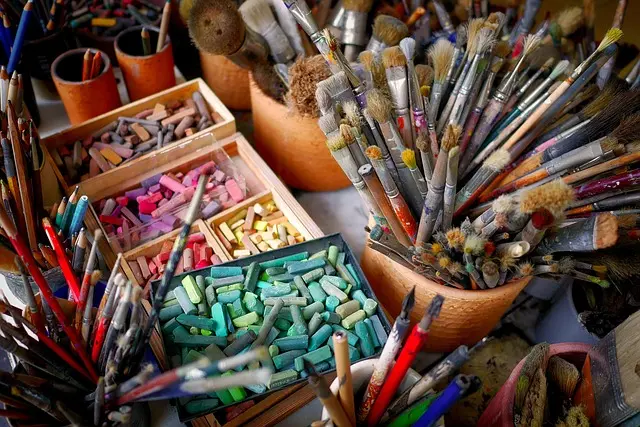
To fully discover your unique artistic style, you should experiment with various mediums. Try painting with acrylics, oils, and watercolors; or explore different forms like photography, digital art, or collage. Each medium has unique characteristics that could influence your style.
For example, oil paints might encourage you to explore more traditional, realistic techniques, whereas digital art may enable colorful abstraction or mixed media compositions. To avoid feeling overwhelmed, set specific goals for each experiment. Dedicate a weekend or even an afternoon to fully explore a new medium without the pressure of creating a masterpiece.
Step 3: Develop Your Technical Skills
Technical skills are crucial in expressing your unique artistic style. Regardless of your medium, you should invest time in mastering foundational skills. Enroll in workshops, take online courses, or watch tutorial videos to refine your techniques. Practices like drawing, color theory, composition, and perspective are invaluable.
According to a survey from ArtStudio in 2025, 74% of artists stated that improving their technical skills significantly impacted their ability to express their style effectively.
Remember: Every artist has a unique learning curve. Embrace the process of trial and error, and don't shy away from creating pieces that showcase your newfound skills. Document your progress, and celebrate milestones.
Step 4: Create a Body of Work
Once you feel more comfortable with various techniques, it's time to create a focused body of work. This doesn’t mean you need to choose one style permanently; instead, it’s about exploring themes or concepts that resonate with you most. Think about the emotions, stories, or messages you want to convey through your work.
For instance, if you find yourself drawn to environmental issues, create artworks that address sustainability and nature. This thematic exploration helps you distinguish yourself in your artistic community while staying true to your passions.
Step 5: Seek Feedback and Iterate
Engaging with a community of fellow artists or enthusiasts can provide valuable insights into your work. Consider joining local or online art groups or attending exhibitions—talking to others can offer fresh perspectives and critique that will help you grow.
Each piece of feedback can guide your next steps and help you refine your style further. Be open-minded but also trust your instincts. Not every opinion will resonate with you, and that's perfectly fine. The process of iteration is where self-discovery happens.
Step 6: Stay True to Your Voice
As you navigate the development of your artistic style, remember to stay true to your artistic voice. Over time, it might be tempting to conform to popular trends or to imitate the work of successful artists.
However, authenticity is what captivates audiences. Instead of worrying about fitting in, focus on expressing what genuinely excites you. This journey should be deeply personal and reflective. Your art should feel like an extension of your identity.
Step 7: Document Your Evolution
Your artistic journey will be filled with changes and growth, so take the time to document your progress. Consider keeping a blog or social media account dedicated to your artistic development. Share insights into your process, thoughts on new techniques you try, and reflections on each completed piece.
This will not only help you build a following but also allow you to look back and appreciate how your style has evolved over time.
Checklist for Developing Your Unique Artistic Style
- [ ] Identify key influences and inspirations.
- [ ] Experiment with at least three different mediums.
- [ ] Dedicate time to improve technical skills.
- [ ] Create a consistent body of work focusing on thematic elements.
- [ ] Seek constructive feedback from peers.
- [ ] Remain authentic to your voice and vision.
- [ ] Document and share your artistic journey.
Glossary
| Term | Definition |
|---|---|
| Artistic Style | A distinctive manner in which an artist expresses their creativity. |
| Medium | The material or technique used to create a work of art. |
| Themes | The central ideas or messages conveyed through artwork. |
> 💡 Expert Insight: Building a unique artistic style is a continuous journey. According to Artistic Review (2025), embracing change and actively seeking inspiration leads to richer, more authentic creations.
📺 Resource Video
> 📺 For further exploration: Watch "Discover Your Artistic Voice", a detailed guide to finding and developing your own style. Search on YouTube: "how to develop your artistic style."
🧠 Quick Quiz: What is crucial when developing your unique artistic style?
- A) Copying famous artists
- B) Experimenting with different mediums
- C) Following current trends
Answer: B — Experimenting with different mediums allows you to explore diverse expressions and discover what truly resonates with you.
📺 Pour aller plus loin : how to develop your artistic style sur YouTube