Table of Contents (13 sections)
In today's competitive art landscape, establishing a unique personal artistic brand is critical for success. An effective artistic brand not only represents your work but also connects you to your audience in a meaningful way. In this guide, we will walk through a step-by-step process that will help you in developing a personal brand that resonates with your artistic vision and enhances your market presence.
Step 1: Define Your Artistic Vision
Before you start crafting your artistic brand, it’s essential to have a clear understanding of your artistic vision. Ask yourself: What do you want to express through your art? This vision will guide every aspect of your brand. For instance, if your art focuses on environmental themes, your brand should reflect values of sustainability and nature. To help articulate your vision, create a mood board. This can include images, colors, textures, and phrases that inspire you. Studies show that visual aids can boost creativity (source: American Journal of Psychology). Your mood board will serve as a visual representation of your brand and can act as a creative reference throughout the branding process.
Step 2: Understand Your Target Audience
Identifying your target audience is crucial for effective artistic brand development. You need to know who will appreciate your art and why. Use demographic data, social media insights, and market research to gather information about potential buyers. Consider creating audience personas—detailed descriptions of different segments of your audience reflecting their preferences, habits, and motivations. For example, if your audience consists of young professionals, consider their tastes and lifestyle to inform your branding choices.
Common Mistakes to Avoid:
- Ignoring Audience Feedback: Make sure to engage with individuals who interact with your art; their insights are valuable.
- Focusing Broadly: Instead of trying to appeal to everyone, concentrate on your ideal audience.
Step 3: Craft Your Brand Identity
Once your vision and target audience are established, it’s time to create your branding elements. This includes selecting a name, logo, color palette, and typography that align with your artistic vision. Your branding should evoke emotions and convey your message. For example, an artist focused on vibrant, whimsical artwork might choose bright colors and playful fonts, while a minimalist artist might opt for a more subdued palette and clean lines.
Pro Tips:
- Keep It Consistent: Use the same visual elements across all platforms to reinforce brand recognition.
- Consult Professionals: Consider hiring a graphic designer if necessary. Brands supported by professional design are viewed more favorably, which can help attract a wider audience (source: Forbes).
Step 4: Build an Online Presence
In the digital age, a robust online presence is paramount. Create a website that showcases your portfolio, biography, and a blog where you can share your artistic journey. Utilize social media platforms, such as Instagram or Pinterest, where visual content thrives. Regularly engage with your followers by sharing behind-the-scenes content, works-in-progress, or insights into your creative process. According to a study by Statista, 54% of consumers use social media to research products before making a purchase; thus, sharing relatable content will build trust and connection with your audience.
Step 5: Engage with Your Community
Local and online community engagement plays a pivotal role in developing your artistic brand. Attend art fairs, workshops, or exhibitions to network and showcase your work. Online, consider collaboration with other artists or creators to expand your reach. Share your knowledge through tutorials or workshops to further establish your authority within your niche. Building relationships within your community leads to word-of-mouth promotion, which remains one of the most effective marketing strategies (source: Harvard Business Review).
Step 6: Collect Feedback and Adapt
Brand development is an ongoing process. Regularly solicit feedback from your audience to understand their perceptions of your brand. Use this information to improve and adapt your branding strategies—don't be afraid to pivot based on what resonates with your audience. Analytics from your website and social media can provide insight into which types of content are performing well, allowing you to refine your strategy based on real feedback.
Recommendation for Tools:
Consider using tools like Google Analytics or Hootsuite to track engagement and performance, helping you make data-driven decisions.
Checklist for Artistic Brand Development
- [ ] Define your artistic vision.
- [ ] Identify and understand your target audience.
- [ ] Create consistent branding elements (name, logo, colors).
- [ ] Develop a user-friendly website.
- [ ] Establish and maintain social media profiles.
- [ ] Engage with your artistic community both online and offline.
- [ ] Regularly collect and analyze feedback.
- [ ] Refine your approach based on insights.
Glossary
| Terme | Définition |
|---|---|
| Artistic Vision | L'idée centrale qui guide la création artistique d'un individu. |
| Brand Identity | Les éléments visuels et verbaux qui représentent une marque. |
| Target Audience | Le groupe de personnes qui sont les utilisateurs finaux d'un produit ou service. |
> 🧠 Quiz rapide : What is the first step in developing your artistic brand?
> - A) Build an online presence
> - B) Define your artistic vision
> - C) Create business cards
> Réponse : B — Your artistic vision lays the groundwork for the entire branding process.
📺 Ressource Vidéo
> For further insights, check out How to Create Distinctive Brand Identity in Art, a comprehensive analysis on YouTube. Search: "artistic brand development 2026".
By following these steps and continuously refining your approach, you will cultivate a personal artistic brand that genuinely reflects your vision and resonates with your audience, ultimately driving your success as an artist.
📺 Pour aller plus loin : artistic brand development 2026 sur YouTube
Recommended products
Selected by our experts
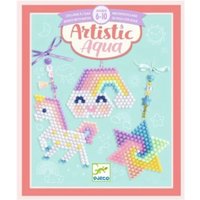
Jeu créatif Djeco Artistic Aqua Perles à repasser Arc-en-ciel
Fnac FR
This creative game is perfect for sparking inspiration in your artistic journey.
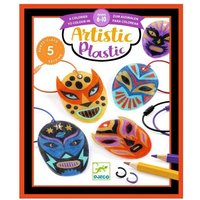
Jeu créatif Djeco Artistic Plastic Porte-clés Catcheurs
Fnac FR
This creative tool can help you with product design and enhance your artistic projects.