Table of Contents (8 sections)
Navigating the world of art can feel overwhelming, but developing a structured creative process for artists can make it all the more manageable. This guide is designed to help you nurture your creativity and enhance your artistic journey. Whether you're a beginner or a seasoned artist, understanding the nuances of your creative process will empower your work.
1. Understanding Your Creative Process
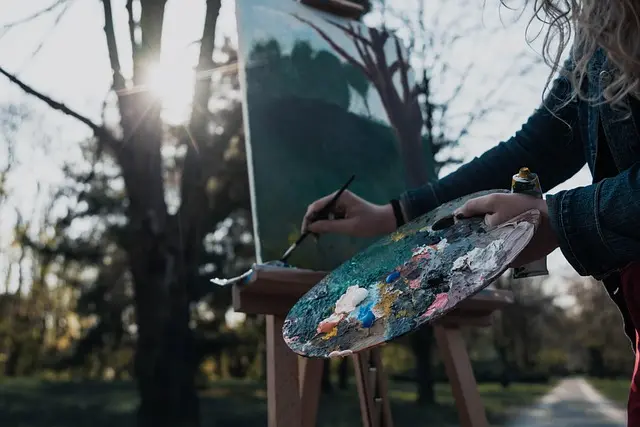
Understanding what a creative process entails is crucial for any artist. It is a series of stages that artists go through in order to create their artwork. This process can vary significantly between individuals, but generally includes stages such as inspiration, preparation, creation, and reflection. By understanding these stages, you can learn to navigate them effectively.
From brainstorming ideas to executing a finished piece, recognizing what works for you allows you to take control of your creativity. According to The Creativity Research Journal, artists benefit from a clear structure as it allows them to harness their ideas more effectively and reduce instances of creative blocks. It’s common for artists to bump into hurdles during the process; thus, identifying and naming your process can help reduce anxiety and offer a framework to follow.
2. Environment Set-Up for Creativity
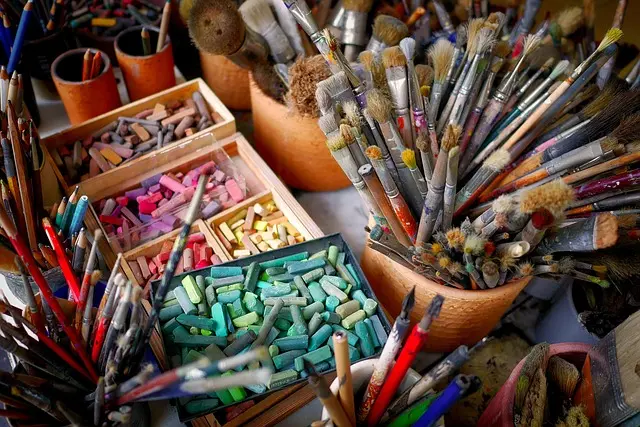
Creating the right environment is critical for nurturing your creative process. You want a space that inspires you, whether it's a cozy nook at home or a well-organized studio. Start by removing distractions from your workspace. Studies suggest that a clutter-free environment can improve focus. Consider incorporating elements that spark creativity, such as colorful art supplies, inspiring artwork, or plants. According to Psychology Today, exposure to nature has beneficial effects on creativity.
Moreover, ergonomics play a significant role in your working environment. A comfortable chair, adequate lighting, and quality tools can enhance productivity. Think about investing in a quality office chair that supports long hours of creative work.
3. Establishing a Routine
A well-established routine can significantly enhance your creative process. Many successful artists set aside specific times of the day dedicated to their craft. This routine not only signals to your brain that it's time to work but also builds discipline and regularity. Setting aside time each day to create can help cultivate your process and motivate you to consistently produce. For example, Maya Angelou, an acclaimed writer, had a strict writing routine where she would work in a hotel room—devoid of distractions for several hours each day.
Keeping track of your daily activities and their associated outputs can help you identify peak creative times and ensure you make the most of them. Using a planner or digital tools to maintain this schedule can be beneficial.
4. Embracing Inspiration and Exploration
Never underestimate the power of inspiration in your creative process. Inspiration can come from various genres, art forms, or even life experiences. To cultivate this, it’s essential to be exposed to diverse stimuli. Attend galleries, read books, or engage with fellow artists. Regularly exploring different art forms can broaden your horizons, allowing you to find unique ideas that resonate with you.
Additionally, experimenting with different techniques or styles can serve as a platform for discovering your voice. Embracing trial and error helps you grow and refine your skills. Don’t shy away from creating pieces that may not work; each attempt is a learning opportunity that feeds your creative evolution.
5. Reflection and Feedback
After creating, reflect on your work to enhance your creative process. This phase can include asking for feedback from trusted peers or mentors. Constructive criticism is invaluable as it often provides perspectives you may not have considered. It’s not merely about receiving praise, but rather understanding how others perceive your art. Gather insights about what resonates with your audience and adjust your approach accordingly.
Regularly reflecting on your completed pieces can also help you understand your growth as an artist. A practice of journaling about your artwork, your feelings during the creation, and the techniques used can provide you with a roadmap of your journey.
Checklist for Developing Your Creative Process
- [ ] Identify your creative process stages
- [ ] Optimize workspace for creativity
- [ ] Establish a daily routine for creating
- [ ] Seek inspiration by exploring various art forms
- [ ] Reflect on completed works and gather feedback
Glossary
| Term | Definition |
|---|---|
| Creative Process | The series of steps and stages an artist goes through in creating art. |
| Routine | A consistent schedule that helps establish discipline in the creative process. |
| Inspiration | External influences that stimulate creativity and encourage artistic expression. |
> 🧠 Quiz rapide : What is the first step in developing your creative process?
> - A) Create your art
> - B) Understand your creative process
> - C) Ask for feedback
> Réponse : B — Understanding your creative process sets the stage for effective creativity.
📺 Pour aller plus loin : Understanding Your Creative Process, an engaging look into how to optimize your artistic journey. Recherchez sur YouTube : "creative process for artists 2026".
Let’s foster your creativity and enhance your artistic skills! Check out our recommended products that can aid your artistic journey below.
📺 Pour aller plus loin : creative process for artists 2026 sur YouTube
Recommended products
Selected by our experts


MOONSTARS - Newest Android 14 Tablet, 11 inch Tablets 128GB+16(8+8 Expand)GB, Octa-Core Processor Tablet with HD Display - Gray
bestbuy.com

Jabra - LINK 860 Headphone Sound Processor - for PC, Headphone - Black
bestbuy.com

VEVOR - Blender for Smoothies, 61 oz 1400W, Professional Blender with Powerful Motor, Multi-Functional Food Processing Blender - Dark Gray
bestbuy.com