Table of Contents (9 sections)
Introduction
In the ever-evolving world of art, the drive to develop artistic skills is essential for anyone aspiring to become an artist. Whether you aim to paint, draw, sculpt, or create digital art, honing your skills isn’t just beneficial; it’s necessary for a fulfilling career. Creativity can spark from anywhere, but to transform that creativity into a polished skill takes dedication and strategy. In this guide, we’ll explore various methods for nurturing your artistic abilities to ensure long-term success in your artistic journey.
Understanding Artistic Skills
Artistic skills encompass a wide range of techniques, styles, and tools that every artist utilizes to express their creativity. Artistic development involves acquiring technical skills, knowledge of different mediums, and the ability to convey emotion through art. For instance, painting may require mastering color theory, while sculpture might involve understanding materials like clay or metal.
Begin by assessing your current level of skill. Are you a beginner just starting out, or do you have experience that you wish to refine? Understanding where you stand allows for a more targeted approach. Moreover, being aware of the various styles—such as impressionism, abstract, or realism—can help you choose a path that resonates with your personal vision.
According to the National Endowment for the Arts, in 2025, over 70% of artists reported that continuous education in their fields led to improved skills and opportunities. This statistic establishes a clear connection between learning and artistic proficiency, emphasizing the need for ongoing development.
Step-by-Step Method to Develop Artistic Skills
- Set Clear Goals
Start by determining what you want to achieve. Are you looking to improve your drawing skills for comic art or want to become proficient in watercolor painting? Set specific, measurable goals to guide your practice.
- Create a Dedicated Workspace
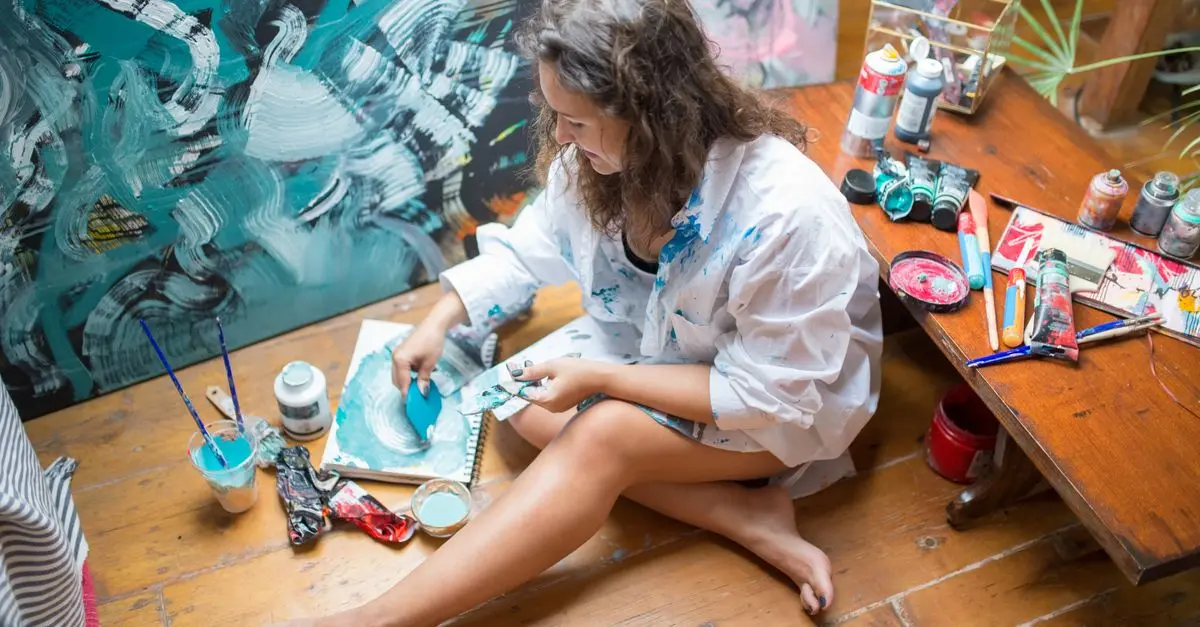
Designate a space for your artistic endeavors. This environment should inspire creativity and focus. Ensure it's well-lit and equipped with the necessary tools for your chosen art form, like easels, brushes, or digital devices.
- Daily Practice
Consistency is key in developing skills. Dedicate a specific amount of time daily to practice—whether it's sketching for ten minutes or studying perspectives. Daily exposure helps reinforce what you learn and gradually builds expertise.
- Seek Feedback
Share your work with fellow artists or on platforms like social media. Constructive criticism is invaluable for growth. It can highlight your strengths and point out areas needing improvement. Try joining art communities, both online and offline, for broader perspectives.
- Explore and Experiment
Don’t limit yourself to a single medium or style. Experimenting with diverse techniques not only broadens your skills but also helps you discover what resonates with your artistic voice. If you usually paint, try sculpting or digital art.
- Take Formal Classes or Workshops
Enroll in art classes or workshops to learn from experienced instructors. Formal education can provide you with structured guidance and expose you to new techniques you might not explore independently.
- Reflect and Revise
Regularly review your progress. Are you meeting your goals? Identify what techniques are working and what needs improvement. Documenting your artistic journey can be enlightening and serve as motivation.
- Network with Other Artists
Building relationships with other artists can open doors to collaborations and opportunities. Attend art exhibitions, join clubs, or engage in online forums to connect with likeminded individuals.
By following these steps, you will create a roadmap that not only nurtures your artistic skills but also fosters a lifelong passion for art.
Comparing Artistic Techniques
| Technique | Strengths | Weaknesses | Best For |
|---|---|---|---|
| Watercolor | Soft blending, delicate effects | Unforgiving, requires practice | Landscapes, portraits |
| Oil Painting | Rich colors, great for texture | Long drying times | Portraits, still life |
| Digital Art | Undo capabilities, diverse styles | Requires technology familiarity | Versatile applications |
| Acrylic | Quick drying, versatile surfaces | Can be less forgiving than oil paints | Mixed media, bold styles |
Each technique has its unique strengths and weaknesses. By understanding these, you can choose the best medium for your desired artistic outcomes.
Analytical Insights on Artistic Development
Continual research highlights trends in artistic education and skill development. A report from Art Basel in 2025 showed that artists who actively engage in community events saw a 30% increase in the visibility of their work. Additionally, integrating technology in the art creation process is rapidly becoming standard practice, with a surge of approximately 40% in digital arts enrollments reported by The Art League Academy. These statistics illustrate the importance of adapting to new mediums and methods in developing your artistic skills.
Frequently Asked Questions
- Q: How long does it take to develop artistic skills?
A: The timeline varies based on individual commitment, but with daily practice, noticeable improvements can be seen within a few months.
- Q: Should I focus on one medium?
A: While specializing can enhance skills, exploring multiple mediums can enrich your overall artistic ability and foster creativity.
- Q: What if I hit a creative block?
A: Take a break or try a new approach. Sometimes stepping back provides clarity and fresh insights.
- Q: Is it necessary to attend art school?
A: Not necessarily. Many successful artists are self-taught, but classes can provide structured learning and valuable feedback.
Glossary
| Term | Definition |
|---|---|
| Medium | The material or technique used by an artist, such as watercolor, oil, or digital. |
| Critique | An analysis of a piece of artwork, often aimed at providing constructive feedback. |
| Composition | The arrangement of elements within a work of art, influencing aesthetics and clarity. |
Checklist Before Starting
- [ ] Define clear artistic goals.
- [ ] Set up a dedicated workspace.
- [ ] Commit to daily practice.
- [ ] Seek feedback from peers.
- [ ] Experiment with different artistic techniques.
- [ ] Participate in formal art education.
- [ ] Regularly reflect on progress.
- [ ] Network with local artists.
📺 For further engagement: Watch tutorials on developing artistic skills, an exhaustive exploration of techniques and strategies. Look on YouTube for: "how to develop artistic skills for long-term success".
🧠 Quick Quiz: What is the most important factor in developing artistic skills?
- A) Talent
- B) Consistent practice
- C) Expensive materials
Answer: B — Consistent practice is essential in mastering any skill.
📺 Pour aller plus loin : how to develop artistic skills for long-term success sur YouTube