Table of Contents (12 sections)
Table of Contents
- Understanding Artistic Skills
- Step 1: Set Clear Goals
- Step 2: Regular Practice
- Step 3: Explore Different Mediums
- Step 4: Seek Feedback and Critique
- Step 5: Analyze and Learn from Masters
- 📺 Resource Video
- Checklist for Developing Artistic Skills
- Glossary
- Quick Quiz
Understanding Artistic Skills
Artistic skills encompass a variety of abilities that enable individuals to create and express visually appealing works. This includes drawing, painting, sculpting, and even digital art forms. Developing these skills is not just about innate talent; it involves understanding techniques, tools, and the creative process. As per a study by The National Endowment for the Arts, participation in the arts fosters critical thinking and enhances problem-solving skills. This highlights the importance of nurturing artistic abilities not merely for artistic expression but for broader cognitive benefits.
Step 1: Set Clear Goals
Before diving into artistic endeavors, it's crucial to set clear and achievable goals. What do you want to accomplish with your art? Whether it's mastering a particular medium, improving your drawing skills, or preparing for an exhibition, having specific objectives will guide your practice. For example, instead of stating, "I want to get better at painting," you could specify, "I will create one completed painting every two weeks, focusing on landscapes." Writing these goals down can help you keep track of your progress and motivate you to stay committed. Remember, breaking larger goals into smaller tasks can make the journey less overwhelming and more rewarding.
Step 2: Regular Practice
Practice is undoubtedly the backbone of skill development in any discipline, particularly in the arts. Setting aside regular time to create fosters improvement and builds muscle memory. Research from The University of Arts indicates that artists who practice at least 3-4 times a week show significant improvement over time. Consider starting a sketchbook where you dedicate ten minutes each day to drawing. Consistency is key; even short sessions can lead to great progress. Avoid the trap of waiting for inspiration to strike, as this can lead to long periods of stagnation. Instead, treat it like a habit that you cultivate daily, similar to exercising.
Step 3: Explore Different Mediums
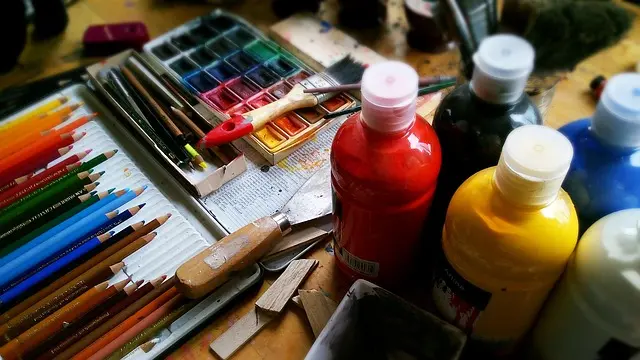
Exploring various artistic mediums is vital to discovering your unique style and capabilities. Each medium, whether it's charcoal, watercolor, acrylics, or digital platforms, offers different challenges and results. Engaging with multiple mediums can open your creative mind and inspire unexpected ideas. For instance, a watercolor artist might find that working with oil paints invites a completely different approach to blending and layering. As you experiment, note what you enjoy and where you excel; this will help you refine your artistic voice.
Step 4: Seek Feedback and Critique
Constructive feedback is one of the most important tools for artists looking to improve. Sharing your work with peers, mentors, or through online communities allows for diverse perspectives that can elevate your art. Attend workshops or art classes where peers can critique each other's work, as this environment fosters growth and dialogue. However, be cautious to filter feedback objectively; not every opinion will resonate with your artistic vision. According to Art News, artists who actively seek critique tend to develop their style and technique at a faster rate than those who remain in isolation.
Step 5: Analyze and Learn from Masters
One of the most effective ways to evolve as an artist is by studying the works of established masters in the field. Spend time analyzing their techniques, color use, composition, and emotional content. You could mimic a masterpiece as an exercise to understand their thought process and execution. For example, by recreating a piece by Vincent Van Gogh, you can learn about his unique brushwork and palette choices. This analytical approach not only provides practical skills but also deepens your appreciation for art. Engaging with art history can inspire you and provide context for your creative journey.
📺 Resource Video
> 📺 For further exploration: Learn Different Artistic Techniques, a comprehensive overview of essential tips and practices for developing your artistic skills. Search on YouTube: "how to develop artistic skills."
Checklist for Developing Artistic Skills
- [ ] Set clear artistic goals
- [ ] Establish a regular practice schedule
- [ ] Experiment with at least three different mediums
- [ ] Join an art community for critique
- [ ] Study and analyze works by masters
Glossary
| Term | Definition |
|---|---|
| Artistic Medium | The materials or techniques used to create art, such as oil paint, watercolor, or digital tools. |
| Critique | An analysis or evaluation of an artistic work, often aimed at offering constructive feedback. |
| Composition | The arrangement of elements within a piece of art, impacting the overall visual impact. |
Quick Quiz
> 🧠 Quick Quiz: What is one key aspect to improving your artistic skills?
> - A) Practice only when you feel inspired
> - B) Regular, structured practice, and seeking feedback
> - C) Focusing solely on one medium
> Answer: B — Regular and structured practice combined with feedback is essential for growth.
📺 Pour aller plus loin : how to develop artistic skills sur YouTube