Table of Contents (13 sections)
Understanding Artistic Development
As the landscape of creativity shifts, understanding how to develop artistic skills is crucial for aspiring artists. Artistic development is not merely a process of learning techniques; it involves cultivating a deeper connection with your medium, honing your unique voice, and constantly evolving your artistic sensibilities. Developing artistic skills entails a blend of practice, exploration, and reflection to create compelling works that resonate with audiences.
Moreover, the importance of being adaptable in your artistic journey cannot be overstated. With changing trends and new technologies emerging, artists must be prepared to explore various styles and methods. According to research by The National Endowment for the Arts, individuals who engage in regular artistic practices report higher levels of satisfaction and creativity in their lives. Therefore, the journey to becoming an artist is as much about the experience as it is about the outcome.
Setting Clear Goals
To develop artistic skills effectively, start by setting clear and attainable goals. This process will help you stay focused and measure your progress. Consider defining both short-term and long-term objectives. For instance, a short-term goal could be to learn a new painting technique, while a long-term goal might involve preparing for your first art exhibition.
A practical approach to goal-setting involves utilizing the SMART criteria—Specific, Measurable, Achievable, Relevant, and Time-bound. Write down your goals and regularly review them. This practice can not only provide motivation but also create a roadmap for your artistic journey. Establishing deadlines can encourage you to push past creative blocks and see tangible results in your skill development.
Tips for Goal Setting:
- Break down larger goals into smaller, manageable tasks.
- Use a journal to keep track of your progress.
- Celebrate small achievements to maintain enthusiasm.
Engaging in Consistent Practice
Consistent practice is fundamental to developing artistic skills. Artists often find that daily or weekly sessions dedicated to their craft help them refine their techniques and expand their creativity. A study by The Journal of Aesthetic Education shows that artists who practice regularly improve their abilities more rapidly than those who practice sporadically.
Designate specific times each week for focused practice. Resist the temptation to skip sessions, as regular engagement builds muscle memory and strengthens your skills. Experiment with various artistic challenges, such as drawing from life, creating quick sketches, or setting timers for focused practice sessions.
Common Pitfalls to Avoid:
- Underestimating the importance of consistency.
- Allowing distractions to interfere with your practice time.
- Comparing yourself to other artists, which can spark self-doubt.
Exploration of Different Media
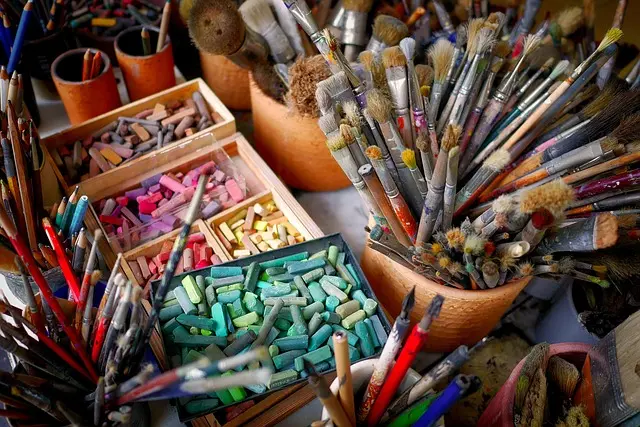
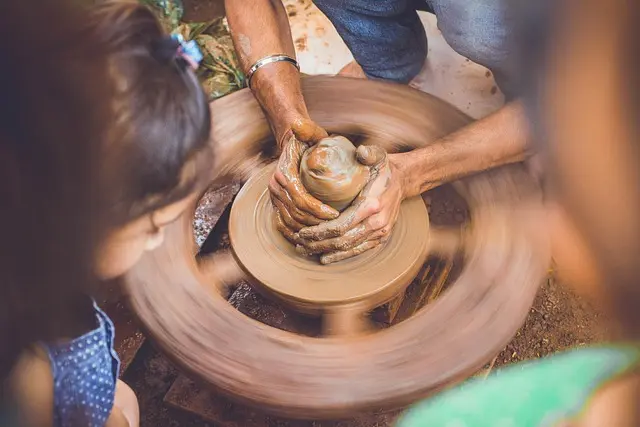
As you develop your artistic skills, it’s essential to explore various forms of media. Working across different mediums—such as oil paints, watercolors, digital art, and sculpting—will expand your artistic vocabulary and enhance your creativity. Each medium comes with its own unique set of techniques and challenges, which can lead to unexpected discoveries.
For example, transitioning from painting to sculpture might give you new insights into form and perspective. According to a survey by Art Business News, 72% of artists reported that experimenting with different media positively impacted their creativity. Embrace the idea that the exploration process is just as valuable as the final product.
Seeking Feedback and Constructive Criticism
Feedback from peers, mentors, or art instructors is invaluable in refining your artistic skills. Constructive criticism helps you identify areas for improvement and offers fresh perspectives on your work. Attend workshops or join critique groups where you can present your art for review.
Remember, the goal of seeking feedback is not to please others but to enhance your skills. Be open to suggestions, and consider them thoughtfully rather than taking them personally. Establishing relationships with other artists can also lead to collaborations that further enrich your learning process.
Building a Portfolio
A well-curated portfolio is essential for any artist looking to showcase their work and attract opportunities. This collection serves as a testament to your artistic journey and demonstrates your skill development over time. Include a variety of pieces that reflect your growth, experimentation, and range of techniques.
Start by selecting your best pieces—those that resonate most with your artistic identity. Reflect on your development by including works from different periods. Utilizing platforms like Behance or creating a personal website can enhance your visibility and professionalism.
Key Portfolio Tips:
- Keep it updated regularly.
- Display a clear narrative of your artistic progression.
- Ensure high-quality photographs or scans of your artwork.
Networking and Community Engagement
Engaging with fellow artists and the creative community is fundamental to your development. Networking opens doors to collaboration, exhibition opportunities, and learning experiences from seasoned professionals. Attend local art openings, join online forums, or participate in workshops to connect with like-minded individuals.
Moreover, being active in your community can yield collaboration opportunities, helping you to refine your skills through interaction. According to a study published by Creative Growth in 2022, artists who engage in community projects report higher satisfaction levels and artistic contributions.
Checklist for Artistic Growth
- [ ] Set specific, measurable goals for your artistic practice.
- [ ] Dedicate time each week for consistent practice.
- [ ] Explore various media and techniques.
- [ ] Seek constructive feedback from trusted sources.
- [ ] Curate a portfolio showcasing your best work.
- [ ] Network with fellow artists and engage in the community.
Glossary
| Term | Definition |
|---|---|
| Artistic Medium | A material or technique used by artists to create their work, such as painting, sculpture, or photography. |
| Portfolio | A collection of an artist's work that showcases their skills, style, and artistic progress over time. |
| Feedback | Constructive comments and suggestions about one's work aimed at improving artistic skills and creativity. |
> 💡 Expert Opinion: Regular practice coupled with active community engagement is key to sustained artistic growth.
📺 For more insights: Exploring Different Artistic Mediums, a guide to understanding various forms of art. Search on YouTube for:
how to explore different artistic media.
📺 Pour aller plus loin : how to explore different artistic media sur YouTube