Table of Contents (14 sections)
Understanding Artistic Skills
Artistic skills encompass a wide range of abilities, from basic drawing techniques to complex artistic concepts. They are fundamental for any emerging artist looking to express their creativity. Artistic skills can include drawing, painting, composition, perspective, color theory, and understanding texture, among many others. Developing these skills not only helps in creating art but also fosters a deeper appreciation for various artistic forms.
In 2026, the demand for artistic skills in various industries is more pronounced than ever. According to a report by the National Endowment for the Arts, creative sectors are projected to grow by 10% over the next decade. Thus, honing your artistic skills is not only a personal pursuit but a valuable investment in your future. This guide will provide you with actionable steps to enhance your artistry and foster a rich creative expression.
Create a Dedicated Workspace
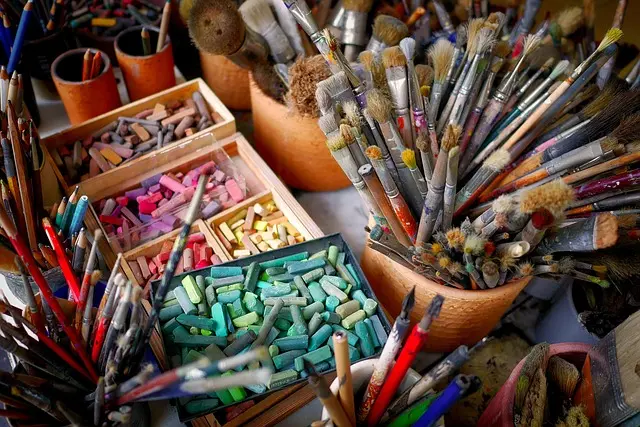
Your environment significantly influences your creative flow. Creating a dedicated workspace tailored for art can enhance your productivity and inspire creativity. Ensure your area is well-lit, organized, and stocked with all the materials you need, from brushes and paints to sketch pads and easels.
To optimize your workspace, consider these tips:
- Lighting: Natural light is ideal. If that's not possible, invest in good quality studio lights that mimic daylight.
- Organization: Keep your supplies in order. Use shelves or carts for easy access to materials.
- Inspiration: Decorate your space with art pieces that inspire you, as well as a vision board with quotes or images that resonate with your artistic goals.
Establishing this environment may require an initial time investment but will pay off in terms of enhanced focus and creativity.
Practice Regularly
Consistency is key in developing artistic skills. Aim to make art a routine part of your daily life. Even if it’s just for 30 minutes every day, regular practice helps solidify your skills and leads to noticeable improvements over time.
To maximize your practice sessions, try the following:
- Set Specific Goals: Define what you want to achieve in each session, be it mastering a particular technique or completing a piece.
- Keep a Sketchbook: It allows you to experiment with ideas and techniques without the pressure of creating a finished product.
- Track Your Progress: Take photographs of your work over time to visually showcase your improvement.
Finally, avoid burnout by mixing up your practice routines. Alternate between drawing, painting, and other creative activities to keep your enthusiasm high.
Seek Feedback
Feedback is crucial for growth. Engaging with others allows you to gain new perspectives on your work and identify areas for improvement. Consider forming or joining an art group where you can share critiques with fellow emerging artists.
Here’s how to effectively seek and utilize feedback:
- Choose the Right Audience: Approach peers or mentors whose opinions you value and trust.
- Be Open-Minded: Accept constructive criticism graciously. It’s an opportunity to learn and improve.
- Ask Specific Questions: Rather than seeking general approval, ask for specific feedback on techniques, composition, and emotional impact.
Remember, not all feedback will resonate with you. Take what aligns with your artistic vision and build from there.
Explore Different Mediums
One of the best ways to enhance your artistic skills is to experiment with various art mediums. Drawing, painting, photography, digital art, sculpting, and mixed media all offer unique challenges and can help broaden your skill set.
Here's a simple approach to exploring new mediums:
- Start with Basics: If you’re primarily a painter, try sketching or digital art. If you're comfortable with pencils, consider moving to charcoal or pastels.
- Take Classes: Look for local workshops or online tutorials. Learning from different instructors can introduce you to new techniques and enhance your skillset.
- Document Your Exploration: Create a portfolio of your works in different mediums. This not only tracks your growth but also aids in developing a versatile style.
Attend Workshops and Art Classes
Engaging with experienced instructors in workshops and classes is invaluable to skill development. These environments provide personalized guidance, enabling you to learn more effectively.
Consider the following points:
- Research Programs: Look for reputable institutions or art schools offering courses relevant to your interests. For instance, the Art Institute or Skillshare can be great resources.
- Network with Other Artists: Workshops often bring together diverse groups. Take this opportunity to connect and develop friendships with other artists.
- Practice Different Techniques: Workshops typically cover specific subjects and techniques, allowing you to expand your abilities in a structured environment.
Checklist for Skill Development
Before beginning your artistic journey, here’s a quick checklist to keep you on track:
- [ ] Create a dedicated art workspace.
- [ ] Set a daily or weekly practice schedule.
- [ ] Seek feedback from trusted peers.
- [ ] Explore at least three new art mediums.
- [ ] Enroll in a workshop or art class.
Frequently Asked Questions
What are the basic artistic skills I should develop?
Essential skills include drawing basics, color theory, understanding composition, and practicing various techniques like shading and perspective.
How often should I practice my art?
Aim for at least 30 minutes daily for consistent growth. However, adjust your schedule based on personal goals and flexibility.
Where can I find feedback on my work?
Seek out local art groups, online forums, or art classes where you can receive constructive critiques from experienced artists.
What if I don't have formal art training?
Many successful artists are self-taught. Utilize online resources, tutorials, and workshops to guide your learning process.
Glossary
| Terme | Définition |
|---|---|
| Technique | Méthode spécifique utilisée pour créer une œuvre d'art. |
| Composition | Agencement des éléments visuels dans une œuvre. |
| Média | Matériaux ou techniques utilisés pour réaliser une œuvre artistique. |
---
📺 Pour aller plus loin : how to develop artistic skills for emerging artists sur YouTube