Table of Contents (11 sections)
Art is a beautiful form of expression that connects people across cultures and generations. Developing your artistic skills can not only enhance your creative capabilities but also offer a sense of fulfillment. This guide provides a detailed, step-by-step approach to developing your artistic skills effectively.
1. Understand the Basics of Art
Before diving into advanced techniques, it is essential to grasp the fundamentals of art. Art encompasses a wide range of practices, including drawing, painting, sculpture, and digital media. Understanding the fundamental elements—like line, shape, form, space, color, and texture—will provide a solid foundation for your artistic journey.
For instance, dedicating time to study color theory can enormously affect your artwork, helping you create harmonious compositions. One effective way to begin is by exploring different mediums such as acrylics, watercolors, or charcoal. This exploration allows you to find the mediums that resonate with your style.
Additionally, many artists have found success by participating in basic art courses, either online or at local community centers. According to a survey by The National Endowment for the Arts, community courses can increase involvement in the arts by 47%. Therefore, finding a course that covers the basics can be a great first step.
2. Set Up Your Workspace
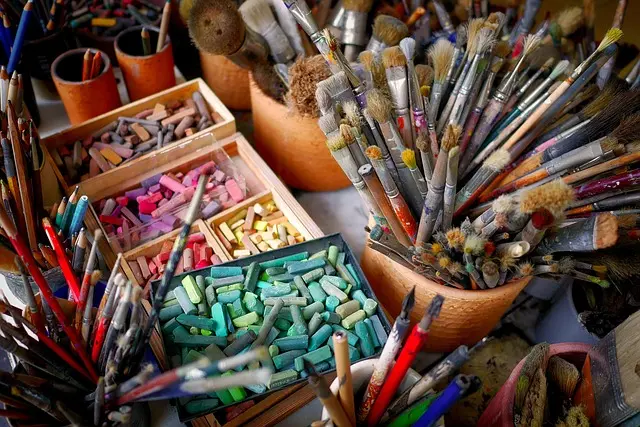
Creating a conducive environment is crucial for nurturing your artistic skills. A dedicated workspace free from distractions can enhance your focus and creativity. Your art space should be well-organized and filled with the tools you enjoy using, such as paints, brushes, sketchbooks, and inspiration boards.
To optimize your workspace:
- Lighting: Ensure you have ample natural light or fluorescent lights that mimic daylight. Good lighting can significantly influence your perception of colors.
- Comfort: Invest in comfortable seating and a sturdy table to encourage longer art sessions.
- Inspiration: Hang artworks that inspire you around your workspace. This can include everything from famous masterpieces to your previous works.
Once your workspace is established, it will be easier to cultivate a routine that encourages creativity.
3. Practice Regularly
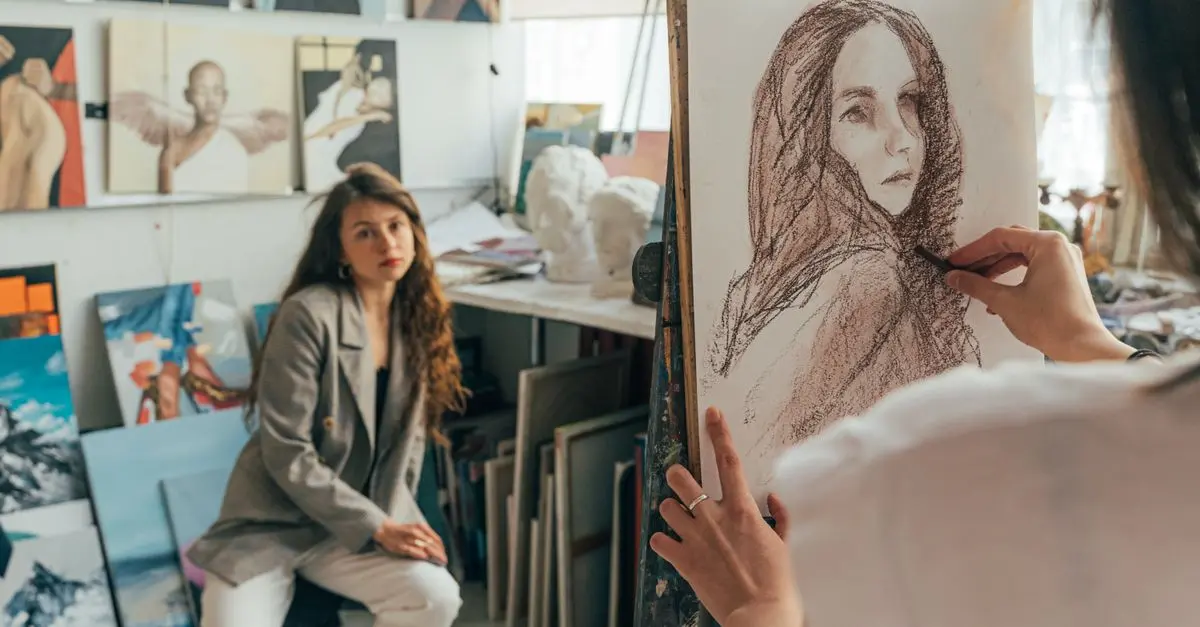
The adage "practice makes perfect" rings especially true in art. Setting aside regular time each week for practice helps to develop your artistic skills progressively. As you practice, try to push your boundaries and explore new techniques or styles. For instance, dedicate one session to sketching from life—using models or landscapes—while another could focus on experimenting with abstract forms.
Tracking your progress through sketches and artworks can provide motivation and reveal how far you've come. Many artists document their journey on social media platforms like Instagram or through personal blogs. Reflecting on your earlier works can be gratifying and encouraging.
Tip: Consider joining an art community, either locally or online, to share your progress and receive constructive feedback.
4. Study the Masters
Learning from established artists can greatly enhance your understanding of techniques and styles. Study the works of renowned artists like Vincent van Gogh, Pablo Picasso, or contemporary artists in your chosen field. Analyzing how they handle composition, color, and texture will provide insights that are invaluable for your practice.
A beneficial exercise is to recreate a piece by your favorite artist. While it may seem counterintuitive, this practice helps reveal insights about their techniques and decision-making processes. For example, try to replicate a Monet painting to learn about color layering and brush techniques. Many educational platforms offer courses focused on mastering the techniques of famous artists.
5. Feedback and Self-Reflection
Receiving constructive feedback is essential to developing your artistic skills. As mentioned earlier, being part of an art community allows you to share your work and gather insights from others. Be open to criticism but also know your worth as an artist. Use critiques to improve your skills, but don’t let negative feedback stifle your enthusiasm.
Self-reflection plays a crucial role in this process as well. Look back on your artwork regularly, identifying strengths and areas needing improvement. Ask yourself questions like:
- What worked well in this piece?
- What aspects can I change next time?
- Am I satisfied with my growth?
Documenting your reflections in an art journal can also aid in tracking your progress over time.
6. Explore Different Mediums
Don't limit yourself to just one form of artistic expression. Exploring various mediums can significantly enhance your versatility as an artist. If you're traditionally a painter, try your hand at sculpture or digital art. Experimenting with different styles can lead to unexpected discoveries and a more flexible approach to your artwork.
For example, if you usually work with acrylics, consider trying watercolor or oil paints, noting the differences and challenges within each medium. Each new medium can teach unique lessons about color, texture, and technique.
7. Stay Positive and Keep Going
Art can often present challenges, such as creative blocks or frustration over finished pieces. During these times, maintaining a positive mindset is crucial. Art is a lifelong journey, and setbacks are a natural part of the creative process. Surround yourself with supportive friends or fellow artists who can uplift you during difficult times.
Celebrate small achievements, whether it’s finishing a piece or mastering a new technique. Connecting with your passion will help you push through the tough spots.
Checklist before you start:
- [ ] Understand the basics of art and its elements
- [ ] Create a well-organized workspace
- [ ] Set a regular practice schedule
- [ ] Study the works of successful artists
- [ ] Seek feedback from peers
- [ ] Explore a variety of artistic mediums
- [ ] Maintain a positive mindset and embrace creative challenges
Glossary
| Term | Definition |
|---|---|
| Artistic Medium | The materials used to create art, like paint, ink, or digital tools. |
| Color Theory | The study of how colors interact and the visual effects they create. |
| Composition | The arrangement of elements within a work of art to create balance and harmony. |
> 📺 For further learning: How to Develop Your Artistic Skills, a comprehensive tutorial on practicing art techniques. Search on YouTube: "develop artistic skills tutorial".
🧠 Quick Quiz: What is color theory?
- A) The study of colors' meanings
- B) A method for mixing paints
- C) How colors interact and influence each other
Answer: C — It explains how colors can affect one another and how to use them effectively in art.
Final Thoughts
Embarking on your journey to develop artistic skills can be greatly rewarding. Make sure you take diligent steps, practice regularly, and remain open to growth. Don't hesitate to immerse yourself in the world of art and enjoy the creative process. Remember, every artist was once a beginner. Start painting, drawing, and experimenting today!
📺 Pour aller plus loin : develop artistic skills tutorial sur YouTube