Table of Contents (11 sections)
Becoming an artist is not just about having a talent for drawing or painting; it's about cultivating your artistic skills through dedication, practice, and continuous learning. In this guide, we'll explore practical steps that anyone can take to develop their artistic abilities effectively.
1. Understand the Basics of Art
Artistic skills encompass a broad spectrum of disciplines, including drawing, painting, sculpting, and digital arts. Before diving in, it's crucial to grasp the foundational elements of art. This includes understanding concepts like line, shape, color, texture, and space. To start, consider enrolling in basic art classes, either online or in-person. Art institutions often provide resources that can help you learn these principles systematically.
For example, engaging in simple exercises like sketching everyday objects can aid in developing your eye for detail. Investigating art history also enhances your contextual understanding of various styles and techniques. Knowing who the significant artists are and their contributions can inspire your creative process and influences.
2. Develop Your Observation Skills
Observation is vital for any artist. It's the ability to notice subtle details in your surroundings and convey them through your chosen medium. Practice by setting aside time each day to sketch from life. This could be anything from a still life composed of household items to outdoor scenes.
Start with simple shapes and gradually move to complex forms. An effective exercise is drawing a scene in ten minutes and then revisiting it after two days to see how your perception has changed. Utilize references from photographs or real life to record proportions, lighting, and depth accurately. This practice will sharpen your skills and boost your confidence.
3. Experiment with Different Mediums
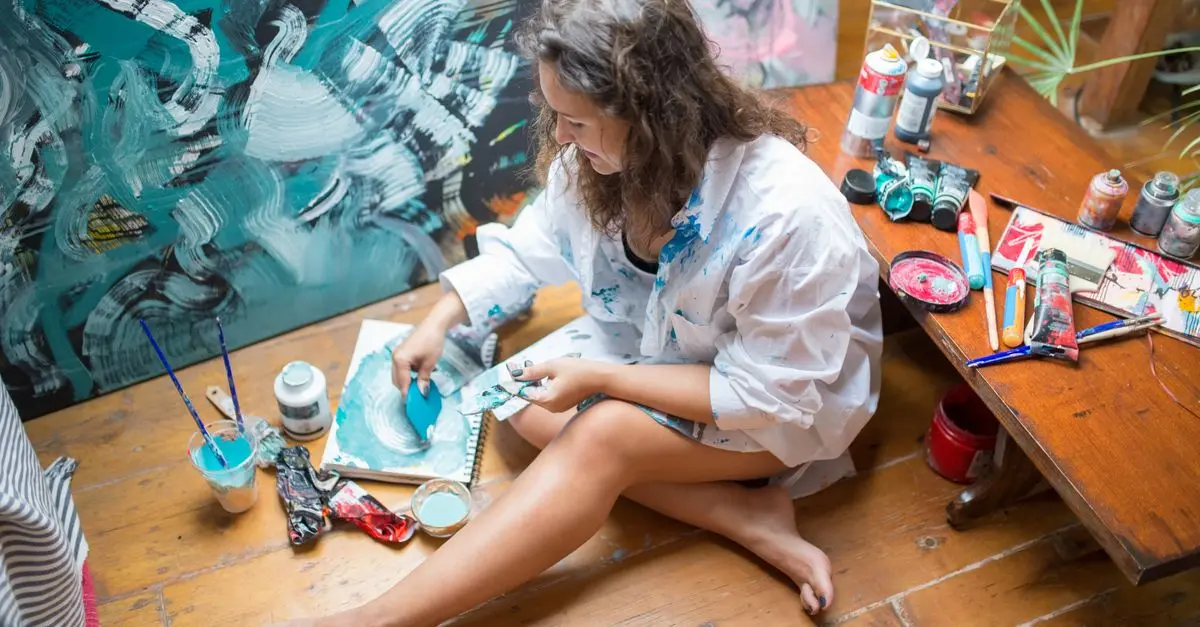
Exploring different artistic mediums can significantly expand your skill set. Whether it's charcoal, watercolor, acrylics, or digital tools, each medium offers unique challenges and learning opportunities. Start experimenting with a variety of materials and techniques to discover what resonates with you.
For instance, if you're accustomed to drawing with a pencil, try painting with watercolors. While initially daunting, this can compel you to think differently about color and application. Attend workshops or classes that focus on specific mediums where an instructor can guide you through the nuances of each.
4. Create Regularly and Set Goals
Consistency is key in developing artistic skills. Set a schedule that allows you to create art regularly. This can be daily sketches, weekly paintings, or monthly projects. Establishing specific goals can help you maintain focus. For example, aim to complete a painting every month or a series of drawings that explore a particular theme.
Utilizing tools like sketchbooks to track your progress can be highly motivating. Furthermore, documenting your journey enables you to reflect on your growth and challenges, thereby adjusting your techniques or seeking help when needed. Creating art regularly allows you to experiment without the pressure of perfection.
5. Receive Feedback and Network with Other Artists
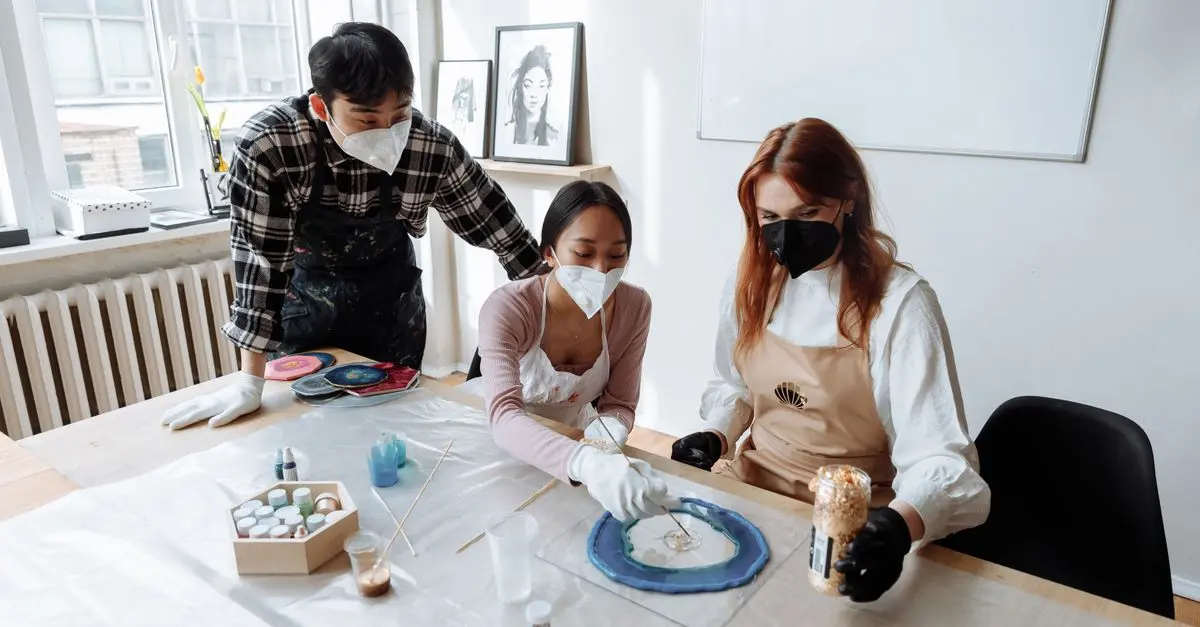
Constructive criticism is invaluable for growth. Share your work with peers, instructors, or online communities to get feedback. Join local or online art groups where artists collaborate and critique each other's work. Websites like DeviantArt and ArtStation provide platforms where you can showcase your art and receive input.
Be receptive to feedback but remember to differentiate between subjective opinions and constructive criticism aimed at improvement. Networking with fellow artists not only fosters relationships but can also lead to collaborative projects, exhibitions, and workshops that enhance your skills.
6. Analyze Your Work and Set New Challenges
Regularly reviewing your artwork is crucial for identifying strengths and areas for improvement. Take time to analyze each piece: What did you like about this work? What could have been done better? Setting new challenges like experimenting with a different style or larger formats can keep your practice fresh and enjoyable.
Engaging in self-critique or inviting others to critique your work can be a daunting task but is essential for growth as an artist. Creating a mind map of what you want to explore next can fuel your creative journey.
7. Keep Learning
Art is a field where learning is endless. Attend workshops, enroll in online courses, and read books related to art techniques and history. Websites like Skillshare and Udemy offer courses that cover various aspects of art.
Additionally, watch tutorial videos on platforms like YouTube to gain insights into different techniques and styles from accomplished artists. Continuous education helps you stay updated with trends and techniques, allowing you to experiment and incorporate new ideas into your practice.
📺 Resource Video
> 📺 For further exploration: Watch a comprehensive tutorial on techniques for beginner artists. Search on YouTube: "artistic skills tutorial 2026".
Checklist for Developing Artistic Skills
- [ ] Understand the basics of art
- [ ] Practice observation regularly
- [ ] Experiment with different mediums
- [ ] Create art on a consistent schedule
- [ ] Seek feedback from peers
- [ ] Analyze your progress and set new goals
- [ ] Engage in continuous learning
Glossary
| Term | Definition |
|---|---|
| Artistic Skills | The abilities required to express ideas and emotions through various forms of art such as painting, drawing, or sculpture. |
| Observation Skills | The ability to notice and interpret details that contribute to accurate artwork representation. |
| Medium | The materials used to create art, including paint, pencil, charcoal, and digital tools. |
> 🧠 Quick Quiz: Which artistic skill do you think is most important for improvement?
> - A) Observation
> - B) Experimentation
> - C) Regular Practice
> Answer: A — Developing observation skills allows for a deeper understanding and representation of subjects.
📺 Pour aller plus loin : artistic skills tutorial 2026 sur YouTube