Table of Contents (20 sections)
Table of Contents
Understanding Artistic Skills
Artistic skills encompass a wide range of abilities related to the creation, appreciation, and critique of visual, musical, or performing arts. They are essential for anyone aiming to express themselves creatively or pursue a professional career in the arts. Artistic skills include various techniques such as drawing, painting, sculpting, and digital art, among others. Furthermore, these skills often require significant practice and ongoing learning due to evolving styles and mediums. It's important to recognize that developing these skills is not merely about technical proficiency; it also involves nurturing creativity and emotional expression.
Moreover, artistic skills have been shown to boost cognitive functions and emotional well-being. According to research published by the American Psychological Association, engaging in art activities reduces stress and anxiety levels, enhancing personal creativity and problem-solving abilities. Thus, investing time in cultivating artistic skills can lead to both personal satisfaction and professional opportunities.
Step-by-Step Artistic Skill Development
Step 1: Self-Assessment and Goal Setting
Before diving into the creative process, it's crucial to assess your current artistic abilities and set clear goals. Start by identifying your strengths and weaknesses; ask yourself which skills you feel confident in and which areas require improvement. Consider setting SMART goals—Specific, Measurable, Achievable, Relevant, and Time-bound. For instance, if you're a beginner in painting, a goal might be to complete three landscapes in the next two months. This strategic approach not only gives you direction but enhances your motivation.
Step 2: Experiment with Various Mediums
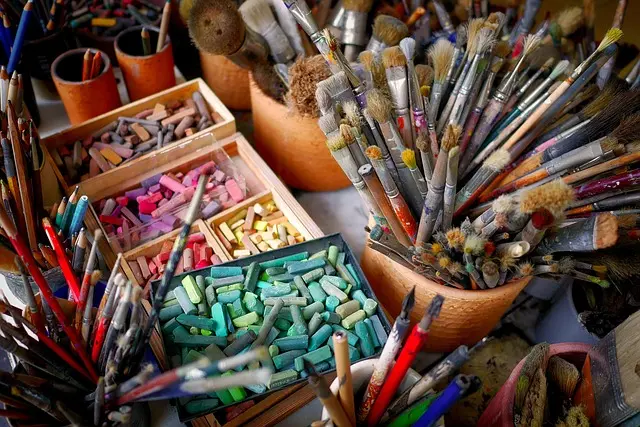
To develop your artistic skills, experiment with different mediums and techniques. Whether that’s watercolor, oil paint, charcoal, or digital art, exploring various mediums can enhance your versatility as an artist. Each medium has unique properties that can influence your artistic expression. For instance, oil paints blend smoothly and provide rich colors, while charcoal allows for quick sketches and dynamic shading. Don’t hesitate to take classes or watch tutorials tailored to these methods.
Step 3: Consistent Practice
Consistency is key in mastering any skill. Allocate dedicated time each week for practice, aiming to create art regularly. This routine not only improves your technical abilities but also allows you to explore new ideas and concepts constantly. Whether it's creating sketches during your lunch break or dedicating hours on weekends, the consistency of practice will significantly enhance your confidence and skill level.
Step 4: Seek Feedback and Critique
Engaging with others can tremendously benefit your artistic development. Share your art with peers, mentors, or online communities to receive constructive feedback. Critique can be daunting, but it encourages growth and improvement by revealing blind spots you might not notice. Platforms like DeviantArt and ArtStation offer excellent forums for sharing work and receiving insight from experienced artists.
Step 5: Continuous Learning and Artistic Exploration
To effectively develop your artistic skills, ongoing learning is vital. Attend workshops, follow online tutorials, or enroll in local art classes to keep evolving. Explore new styles, attend exhibitions, and immerse yourself in artistic cultures by visiting museums. For those passionate about photography, taking courses on photo editing can also enhance digital art skills.
Comparative Analysis of Artistic Techniques
| Technique | Advantages | Disadvantages | Best For |
|---|---|---|---|
| Digital Painting | Easy to edit, versatile layers | Initial software cost | Concept artists, illustrators |
| Watercolor | Transparent, fluid effects | Difficult to control, less forgiving | Landscape artists |
| Oil Painting | Rich textures and colors featuring | Long drying time, requires solvents | High-detail portraiture |
| Charcoal | Bold lines, easy to blend | Dusty, messy | Quick sketches |
The Importance of Data in Art
Data-driven analysis in the artistic community helps to understand trends, preferences, and market demands. In 2026, various platforms offer insights into popular styles and themes based on consumer behavior and engagement metrics. For instance, reports indicate that digital art sales have increased by over 40% since 2020, highlighting the rise of online art marketplaces. This data can inform artists on which mediums or subjects might attract more buyers or engage audiences effectively.
Frequently Asked Questions
Q: How long does it take to develop artistic skills?
A: The time varies greatly depending on individual commitment and the complexity of the skills being learned. Some may develop alongside their talent over months, while others might take years of diligent practice.
Q: Do I need to attend an art school to improve my artistic skills?
A: While formal education can be beneficial, many artists develop their skills through self-study, online courses, and consistent practice. It's essential to find a learning path that suits you.
Q: What materials do I need to start practicing my artistic skills?
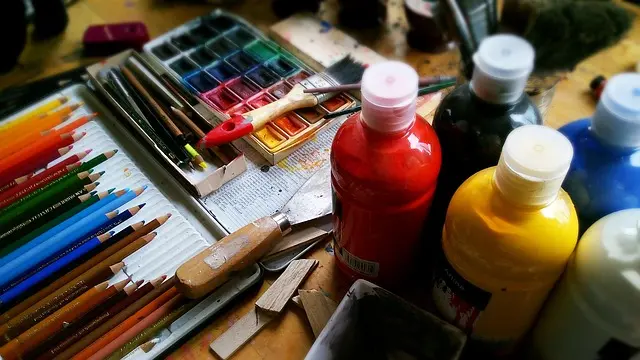
A: Basic materials include sketch pads, various pencils, colors, or paints, depending on your chosen medium. It’s also helpful to have erasers and blending tools for refining techniques.
Q: How can I find inspiration for my artwork?
A: Inspiration can be found in various places—nature, books, movies, or art from others. Keeping a sketchbook handy for your ideas can also be useful.
Glossary
| Term | Definition |
|---|---|
| Artistic Skills | Abilities related to the creation and appreciation of art. |
| Medium | Material used to create artwork, e.g., paint, clay, digital. |
| Critique | Analysis and evaluation of artwork to facilitate improvement. |
Checklist for Developing Artistic Skills
- [ ] Self-assess current artistic abilities
- [ ] Set SMART goals for skill improvement
- [ ] Try at least three different artistic mediums
- [ ] Schedule regular practice sessions
- [ ] Seek feedback from peers or mentors
- [ ] Participate in workshops or online courses
- [ ] Research and explore art trends
Quick Quiz
> 🧠 Quick Quiz: What can enhance your artistic skills the most?
> - A) Reading art critiques
> - B) Sleeping
> - C) Consistent practice
> Answer: C — Consistent practice is crucial for improvement.
📺 Resource Video
> [How to Improve Your Art Skills: Tips and Techniques], a comprehensive guide to enhancing artistic abilities. Search on YouTube: "how to improve your artistic skills 2026".
📺 Pour aller plus loin : how to improve your artistic skills 2026 sur YouTube