Table of Contents (10 sections)
Developing artistic skills is a journey of exploration and creativity. Whether you’re a beginner or have some experience, enhancing your artistic abilities can be rewarding and fulfilling. In this guide, we will walk you through a series of actionable steps designed to boost your artistry over time.
1. Understand Your Artistic Goals
Before diving into techniques, it’s essential to clarify what you want to achieve with your artistic skills. Are you aiming to paint professionally, create digital art, or just indulge in a hobby? Understanding your goals will guide your practice and help you choose the right resources.
Tips for setting effective goals:
- Be Specific: Instead of saying, "I want to get better at drawing," frame it as, "I want to be able to sketch a realistic portrait in three months."
- Measurable Outcomes: Set milestones, such as completing a series of paintings or attending an art class.
- Time-Bound: Give yourself deadlines to keep track of your progress, making it easier to remain motivated.
By establishing a clear roadmap, you can focus your efforts on specific skills and develop a more profound sense of accomplishment.
2. Explore Different Mediums
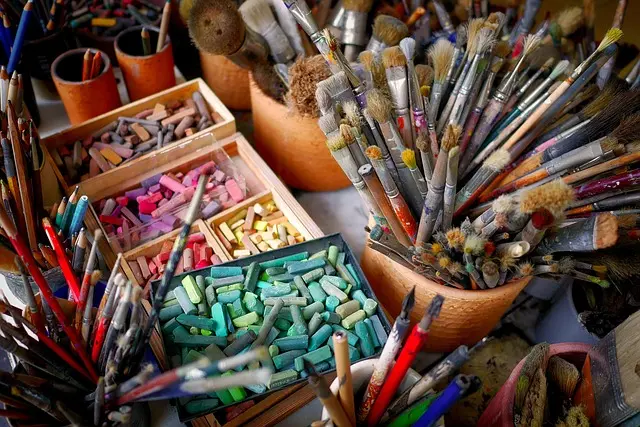
One common mistake aspiring artists make is pigeonholing themselves into one medium. Experimenting with various forms of art can reveal new interests and expand your skill set. Consider exploring:
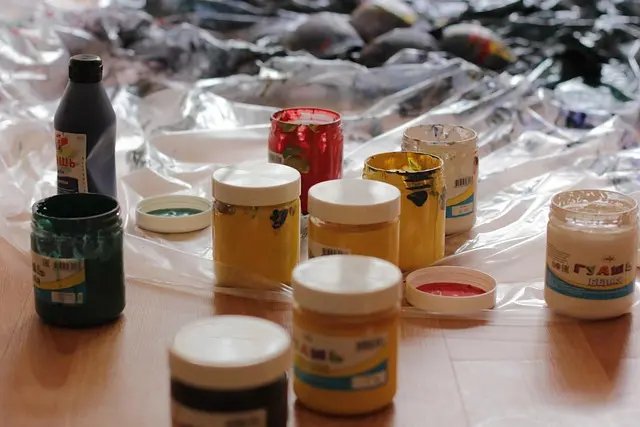
- Painting: Try acrylics, oils, or watercolor to find what resonates with you.
- Drawing: Experiment with pencils, charcoal, or pastels.
- Digital Art: Utilize software like Adobe Photoshop or Procreate to tap into the world of digital creations.
Each medium presents unique challenges and learning opportunities. As you engage with different materials, you’ll discover your natural inclinations and preferences, which will guide your artistic development.
3. Practice Consistently
Consistency is key to developing any skill, and the same applies to art. Set aside dedicated time each week to practice your skills. Here are some actionable strategies for effective practice:
- Daily Sketching: Create a habit of sketching something every day, whether it’s an object from your home or a fleeting thought.
- Challenge Yourself: Set short-term challenges, like "In the next week, I’ll draw five fruits in different styles."
- Attend Workshops: Participating in workshops or online classes can provide structured guidance and accountability.
According to a study by The National Endowment for the Arts, engaging in artistic activities helps improve cognitive abilities and emotional well-being. Thus, consistent practice not only refines your artistic skills but also enriches your life.
4. Seek Feedback and Critique
Feedback is a vital component in the growth of an artist. Critique can come from peers, mentors, or online communities. To make the most of feedback:
- Join Art Groups: Engage with local or online art groups where you can share your work and receive constructive criticism.
- Ask Specific Questions: When sharing artwork, ask for feedback on specific elements, like composition or use of color.
- Be Open-Minded: Embrace critique as an opportunity for growth rather than a personal attack.
Actively seeking and incorporating feedback can expedite your learning process, helping you to avoid repeated mistakes and refine your techniques.
5. Analyze the Work of Others
Studying other artists can provide invaluable insights and inspiration for your own work. Consider creating an analysis routine:
- Choose Artists You Admire: Research their techniques, styles, and artistic philosophies.
- Recreate Their Work: Challenge yourself to replicate a piece of art you admire. This practice will teach you about their techniques.
- Compile a Mood Board: Create a digital or physical mood board of artworks that inspire you to help visualize your goals.
By understanding how established artists create their work, you can adopt new techniques and continue to evolve as an artist.
📺 Resource Video
> 📺 For further exploration: Check out "How to Develop Your Artistic Skills: Proven Techniques" on YouTube. Search for: how to improve drawing skills 2026.
6. Maintain a Sketchbook
Keeping a sketchbook is an invaluable tool for any artist. This practice serves various purposes:
- Record Ideas: Capture inspiration whenever it strikes, nudging your creativity.
- Experiment Freely: Use your sketchbook as a place to experiment without any pressure of it being a finished work.
- Track Progress: Review earlier sketches to assess your growth over time.
Incorporating a routine of keeping a sketchbook can help maintain your creativity and serve as a personal canvas for exploration.
Checklist for Developing Artistic Skills
- [ ] Set specific artistic goals
- [ ] Experiment with various artistic mediums
- [ ] Establish a consistent practice schedule
- [ ] Seek out feedback from peers or mentors
- [ ] Analyze the work of artists you admire
- [ ] Maintain a sketchbook for ideas and practice
Glossary
| Term | Definition |
|---|---|
| Medium | The materials or techniques used to create art (e.g., oil paint, watercolor). |
| Composition | The arrangement of elements within a work of art. |
| Critique | A review or evaluation of a piece of art, often with constructive feedback. |
> 🧠 Quick Quiz: Which of the following is NOT a benefit of keeping a sketchbook?
> - A) Records ideas
> - B) Forces you to create finished pieces
> - C) Helps experiment freely
> Answer: B — A sketchbook should allow for freedom and exploration without the pressure of completion.
📺 Pour aller plus loin : how to improve drawing skills 2026 sur YouTube