Table of Contents (12 sections)
Finding your unique artistic style is an essential journey for every emerging artist. Whether you’re a painter, sculptor, or digital artist, your style is what sets you apart and gives voice to your creative expression. This guide will walk you through the process of developing a unique artistic style step-by-step. Let’s dive in!
1. Understanding the Essence of a Unique Artistic Style
A unique artistic style encapsulates your perspective, experiences, and emotions visually. It's not just about the techniques or materials you use; it embodies your personal response to the world.
As an artist, you should be mindful that your experiences shape your creative voice. For example, if you've lived in a vibrant city, your artworks might reflect that energy through bold colors and dynamic forms. Conversely, serene landscapes or emotional experiences may lead to a softer, calmer palette. Maintain a journal to document your daily thoughts, emotions, and experiences; this reflection can serve as a foundation for your artistic style.
Understanding your motivations is key. What excites you about art? Is it the exploration of social issues, emotions, beauty, or nature? Pinpointing these driving factors can inform the evolution of your style. Engage with a wide range of artworks—visit galleries, engage with various art forms, and examine influential artists to draw inspiration while keeping your identity intact.
2. Experimenting with Different Techniques and Mediums
Once you grasp the foundational aspects of your unique artistic style, the next step is experimentation. Trying out different techniques and mediums broadens your skill set and helps you discover what resonates with you.
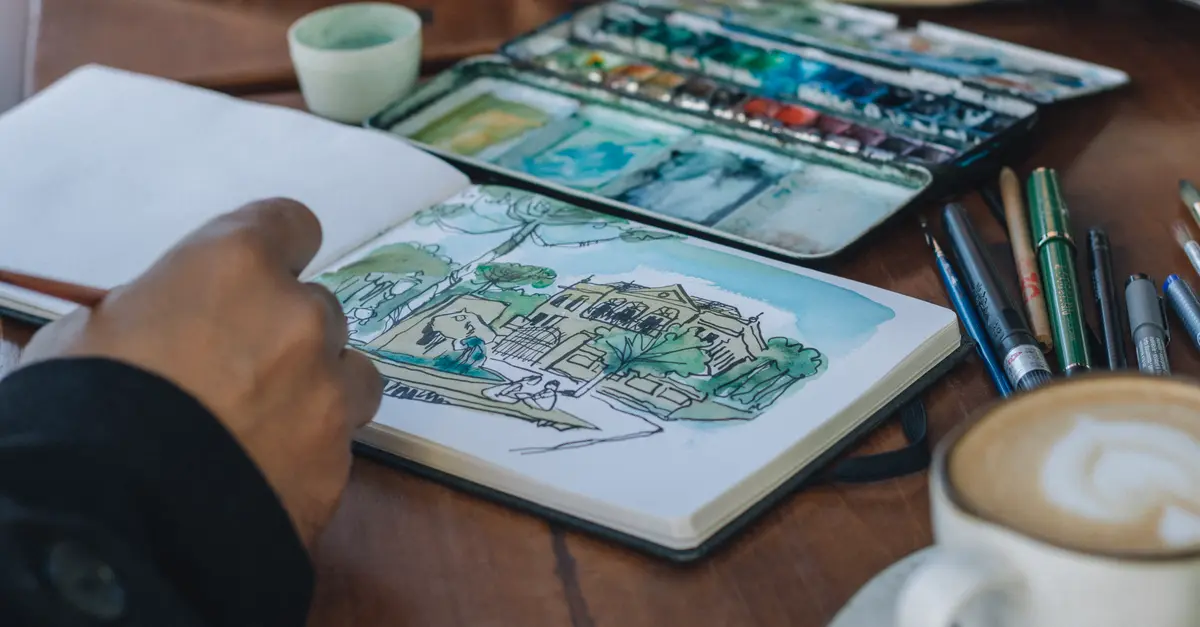
Start with various artistic mediums: consider painting, sketching, sculpting, or digital art. Join workshops or online tutorials to master different methods—for example, watercolor techniques or mixed media applications. By experimenting, you’ll uncover preferences for certain styles or methods that feel natural.
For instance, if you find yourself drawn to acrylic paints for their vibrant colors and versatility, you might explore layering techniques. Consider your artistic outcome; vibrant colors can evoke feelings of joy or energy, while muted palettes may carry a sense of calm. Document these experiments in a portfolio to track your growth and preferences.

Deadwood Trading Skavoovie - Soft Wool Felt Pork Pie Hat - Large / Black
hatcountry.com

Homary 3D Glam Big Gold Round Wall Decor Unique Decorative Metal Home Hanging Art Living Room
homary.com

3. Analyzing and Reflecting on Your Work
After experimenting, it’s vital to take a step back and analyze your works. Reflecting on your creations allows you to identify patterns and themes across your pieces.
Look for elements present in your best works. Are there specific shapes, colors, or textures that repeat? Creating a mood board can be helpful at this stage—compile images, textures, and artworks that speak to you. You can use platforms like Pinterest to visualize your artistic inclinations.
Discuss your work with peers or mentors to gain external perspectives. Constructive critique can illuminate strengths and weaknesses you might overlook. Consider joining an art community where you can regularly share your art and receive feedback. This step is crucial in refining your style, ensuring it genuinely reflects you as an artist.
4. Finding Your Artistic Voice
With a clearer understanding of your influences and techniques, hone in on your artistic voice. This is the signature that defines your work—a blend of style, emotion, and intention.
Focus on what unique themes you want to convey. Do you want to explore social justice issues, celebrate nature's beauty, or express deep emotional narratives? A strong artistic voice resonates with your audience, establishing connections and evoking emotions. For example, Frida Kahlo intricately wove personal pain and cultural identity into her unique style, establishing a powerful connection with viewers.
Your work should not only represent your identity but invite discussions about topics you are passionate about. Consistency in your themes and style will naturally attract audiences who resonate with your voice. Continue to create, and your voice will become more distinct over time.
5. Curating Your Art Portfolio
As you continue to develop your artistic style, curate an art portfolio that showcases your best work. A well-presented portfolio is essential for art schools, galleries, and clients.
Be selective—include pieces that best represent your style and voice. Aim for diversity within cohesion; your selected works should reflect the evolving journey of your artistic development. Consider creating an online presence through a website or social media platforms to display your work and engage with your audience.
Use high-quality images and descriptions. Your portfolio can include sections for sketches, finished pieces, or methods and techniques. Presenting your work effectively enhances its marketability, making it easier to connect with potential clients or collaborators.
Checklist for Developing Your Unique Artistic Style
- [ ] Keep a daily journal to document thoughts and emotions.
- [ ] Experiment with at least three different mediums.
- [ ] Create a mood board showcasing elements you love.
- [ ] Seek constructive feedback from art communities.
- [ ] Curate a portfolio reflecting your journey.

GourmetGiftBaskets.com Unique Gift For Him - Meat & Cheese Sampler
gourmetgiftbaskets.com


Homary 31.5" Large 3D Abstract & Geometric Metal Wall Decor Art for Living Room Bedroom
homary.com
📺 Resource Video
For additional insights, check out How to Find Your Unique Artistic Style, which delves into the intricacies of artistic development. Search for: find your artistic style process on YouTube.
Glossary
| Term | Definition |
|---|---|
| Artistic Voice | The unique expression and perspective reflected in an artist's work. |
| Mood Board | A visual collage of images and text used to convey ideas and inspiration. |
| Technique | The method or skill used to create artwork, including specific styles and materials. |
Quiz rapide
> 🧠 Quick Quiz: What is the first step in developing a unique artistic style?
> - A) Analyzing other artists' work
> - B) Experimenting with different techniques
> - C) Documenting personal experiences
> Réponse : C — Documenting personal experiences is crucial to understanding the foundation of your artistic voice.
Conclusion
Developing a unique artistic style is a rewarding journey, one that requires introspection, experimentation, and persistence. Embrace your individuality and let it shine through your art. With dedication and time, your unique style will emerge, making your work truly one-of-a-kind. Connect with other artists and inspire each other. Happy creating!
Recommended products
Selected by our experts

Homary 30" Large Metal Geometric Wall Clock with Wood Pointer Modern Home Decor Black & Gray
homary.com
Povison "51""Modern Round Glass Dining Table for 4, Gray Tempered Glass Circle Dining Room Table for Kitchen, Glass Kitchen Table, Black X Carbon
povison.com