Table of Contents (13 sections)
Defining a personal artistic vision is a journey that every artist embarks upon. It is not just about creating art; it’s about expressing one's identity, beliefs, and emotions through creative endeavors. In today's fast-paced world, where art often feels commodified, forging a unique artistic perspective can set you apart from others. Whether you’re a painter, digital artist, musician, or writer, developing this vision will guide your work and deepen the connection with your audience. This article offers a comprehensive guide to help you craft this vision, along with practical steps, insights, and tools to enrich your artistic journey.
1. Understanding Personal Artistic Vision
A personal artistic vision can be understood as the distinctive lens through which an artist perceives the world, manifests their thoughts, and ultimately translates these into creative output. This vision encompasses the themes, styles, ideas, and emotions that resonate most with you. According to a survey by the National Endowment for the Arts, artists with a strong personal perspective often report higher levels of satisfaction in their creative practice. This practice not only fosters individuality but also enhances the emotional appeal of the art produced.
Artists like Frida Kahlo and Vincent van Gogh exemplify the strength of a personal vision, using their unique experiences and perspectives to create impactful artworks. Understanding your artistic vision lays the groundwork for all your future work and can be pivotal in developing your unique style. This phase of introspection is critical—it isn’t merely about the aesthetic but rather about connecting the internal world to the external expression.
2. Steps to Develop Your Personal Artistic Vision
Step 1: Self-Reflection
The first step in cultivating your artistic vision is self-reflection. Ask yourself the following questions: What emotions do I want to express? What subjects spark my curiosity? What styles draw my attention? Journaling your thoughts can be an effective tool here. Create a space where you can freely write about your feelings, inspirations, and artistic goals.
Pro Tip: Utilize visual stimuli like mood boards or Pinterest boards to reflect on what inspires you visually. Spend time observing your reactions to different artworks and styles, allowing these reactions to inform your own vision. This self-discovery process may take time, but it will be invaluable in helping you identify your unique artistic voice.
Step 2: Cultivating Influences
Surrounding yourself with influences that resonate with your sensibilities can significantly shape your artistic vision. Look for mentorship, artistic communities, or even literature that aligns with your interests. Analyze artworks not just for their beauty but for the messages and emotions they convey.
You could create an influence map, a visual representation of artists or movements that inspire you. By synthesizing these influences, you will gradually develop a deeper understanding of the kind of artist you want to be. Remember, it’s not about copying others but about finding inspiration that aligns with your vision.
Step 3: Experimentation
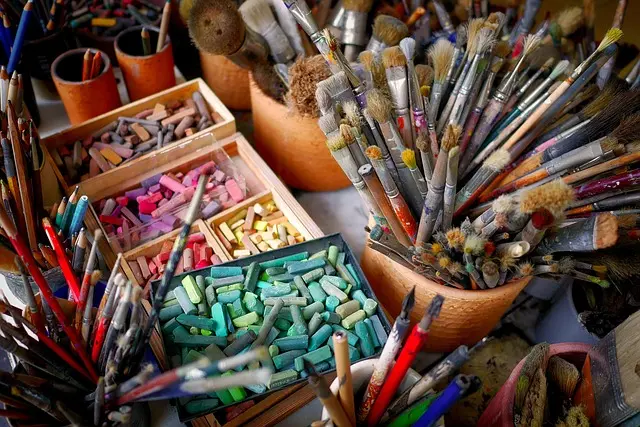
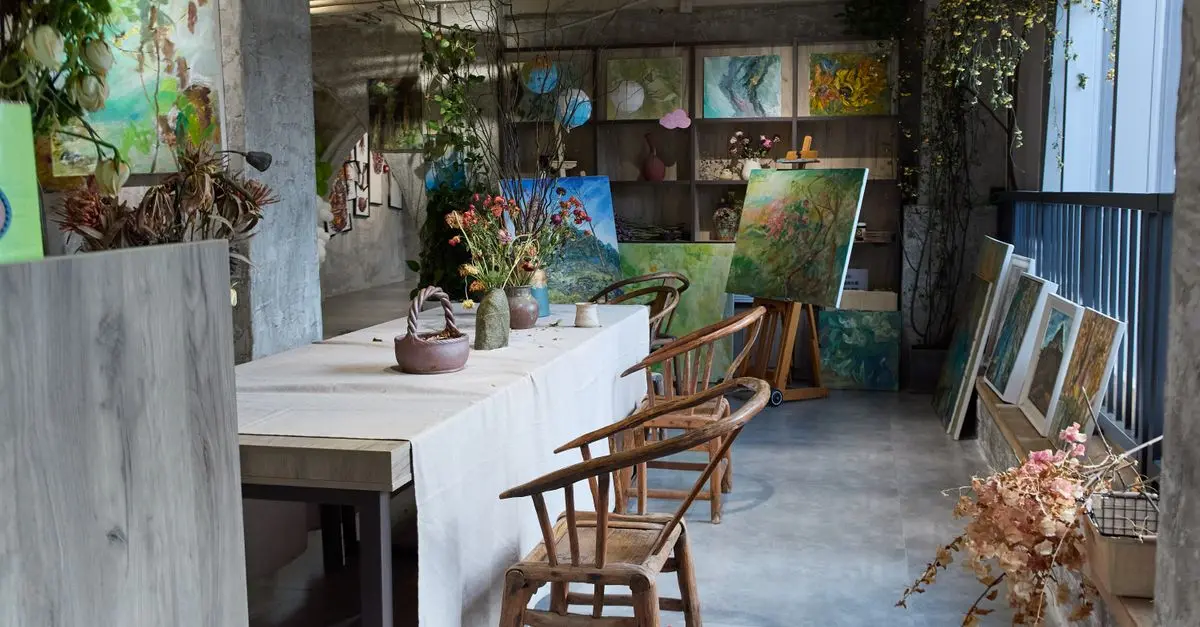
With a clear understanding of your influences and reflections, the next step involves experimentation. This is a critical phase in where you should feel free to explore different mediums, styles, and techniques without the pressure of perfection. Environments like artist studios or community centers can foster experimentation and provide access to new tools.
Engage in various workshops to cultivate new skills and ideas. Don’t hesitate to step out of your comfort zone–an unexpected result could lead to a breakthrough in your artistic vision. Take pictures of your work-in-progress to trace your evolution over time.
Step 4: Establishing a Consistent Practice
Artistic growth benefits from discipline and consistency. Schedule regular creative sessions dedicated solely to exploring your artistic vision. Consistency nurtures creativity and builds momentum, which is essential in developing your personal style.
Learn to embrace challenges and setbacks during this practice as well; they often lead to some of the most significant artistic revolutions. Whether it’s dedicating hours daily or weekly sessions, structure your workflow to facilitate boundless creativity.
Step 5: Seeking Feedback
Sharing your work with others and garnering constructive feedback can provide insights that are essential for growth. You could join local art groups or online forums where fellow artists exchange thoughts and critiques. Feedback can be invaluable, but it’s important to cultivate discernment in which feedback resonates with your vision.
Common Pitfall: Avoid over-committing to others’ opinions, which can obscure your unique voice. Instead, seek constructive criticism while remaining true to your vision. Maintaining this balance will help you refine your artistic output and ensure ongoing personal growth.
Step 6: Documenting Your Journey
As you develop your personal artistic vision, documentation becomes crucial. Keep a visual diary or online blog where you can catalog the evolution of your work. This reflective practice will not only track your growth but also clarify your vision as time progresses.
You’ll be able to observe themes, motifs, and styles that consistently resonate with your output. Additionally, documenting your artistic process can inspire others and build a community around your vision.

Denislawn Personal Size Blender Portable Blender Battery Powered USB Blender
bedbathandbeyond.com

Checklist for Developing Your Artistic Vision
- [ ] Reflect on personal values and emotions.
- [ ] Identify inspirations and influences.
- [ ] Experiment with different mediums and techniques.
- [ ] Establish a consistent and dedicated practice schedule.
- [ ] Seek constructive feedback from peers or mentors.
- [ ] Document progress and artistic journeys regularly.
Conclusion
Cultivating a personal artistic vision is not achieved overnight. It is an ongoing process of growth, exploration, and introspection. By following these steps, you can forge a unique path that enriches your artistic identity and inspires others. Embrace the journey as part of your creative practice, remembering that every artist’s vision is as unique as their fingerprint.
Glossary
| Terme | Définition |
|---|---|
| Artistic Vision | The unique perspective and approach that shapes an artist's work. |
| Influence Map | A visual representation of inspiring artists, movements, or styles. |
| Experimentation | The process of trying out new techniques and ideas in art creation. |
📺 Resource Video
Check out our recommended videos on developing a personal artistic vision. Search on YouTube for: "how to develop artistic vision 2026".
🧠 Quick Quiz: What is the key to developing a personal artistic vision?
- A) Consistency
- B) Inspiration
- C) Experimentation
Answer: C — While consistency and inspiration are important, experimentation is essential for discovering one's unique artistic identity.
📺 Pour aller plus loin : how to develop artistic vision 2026 sur YouTube
Denislawn Personal Size Blender Portable Blender Battery Powered USB Blender
bedbathandbeyond.com

Ninja - Nutri-Blender Pro Personal Blender with Auto-iQ - Cloud Silver
bestbuy.com

Recommended products
Selected by our experts