Table of Contents (10 sections)
Understanding Your Influence
To cultivate a unique artistic style, it is crucial to first understand your influences. What inspires your work? This could stem from your personal life experiences, cultural background, or even the artists you admire. Knowing these elements will help you identify the core themes and emotions you want to express.
For instance, if your inspirations are rooted in nature, you might focus on organic forms and colors. According to artists’ surveys, over 70% of practitioners find that their personal narrative significantly shapes their artistic voice. Therefore, take time to reflect and document your motivations, which will undoubtedly enhance your authenticity.
Moreover, studying the works of influential artists can provide insight into how they express their identities. Analyze their techniques and themes, but remember to adapt these influences to resonate with your personal story. Always strive to reflect on why these elements attract you and how they can be transformed into your unique expression.
Experimenting with Techniques
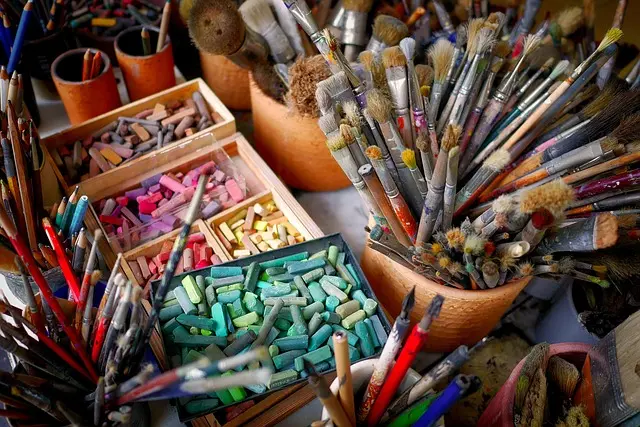
Once you have identified your inspirations, the next step in cultivating a unique artistic style is experimentation. Trying various techniques and mediums enables you to discover what resonates most with your artistic voice. For instance, if you are primarily a painter, consider diversifying into digital art or sculpture.
Many successful artists recommend dedicating specific time to play without the pressure of creating a perfect piece. This free exploration can lead to unexpected discoveries. For example, Vincent van Gogh is known for his thick, expressive brush strokes that were initially an experiment in technique, later defining his signature style. The key is to embrace mistakes as learning opportunities, which can evolve into core characteristics of your style.
Additionally, consider hosting peer-led workshops or joining local art groups. Collaborating with other artists can introduce fresh perspectives and techniques that enrich your personal style. Use this time not only to learn but also to showcase your unique approach, fostering a distinct voice in the community.
Finding Inspiration
Inspiration can come from anywhere, and finding it can often lead to breakthroughs in your artistic journey. Regularly explore different art forms, such as literature, dance, or film, to see how they influence your visual storytelling. Engaging with various artistic expressions can spark new ideas and perspectives that may not have been accessible otherwise.
You could keep a visual diary or a mood board where you compile ideas, colors, textures, and themes that resonate with you. Some artists even find inspiration in everyday life. For example, street photography can reveal color palettes and narratives that might inspire your next piece. Studies suggest that artists who diversify their sources of inspiration exhibit greater creativity and originality in their work.
Be proactive in seeking out art exhibitions, galleries, or online platforms. Social media can be a powerful tool for discovering both emerging and established artists worldwide. Remember, the goal is to curate a diverse pool of inspirations that inform and evolve your unique style rather than mimic others.
Documenting Your Evolution
Tracking your artistic progression is vital for identifying your unique style. Keep a journal or a digital portfolio where you regularly update your work, thoughts, and reflections on your artistic journey. As you document your evolution, patterns and recurring themes will emerge, highlighting your artistic preferences and helping clarify your signature style.
Moreover, reflecting on your past works can unveil the shifts in your creativity over time. Consider the elements that consistently appear in your art. This may include certain motifs, color choices, or techniques that resonate with your visual identity.
Regularly setting aside time to review your work can clarify your goals and intentions. By doing so, you’ll ensure that your art continues to authentically express your evolving self while marking your artistic journey's milestones. Evaluating your progress can reveal a clear path towards a more refined and personal artistic style.
Seeking Feedback and Refinement
Constructive feedback is invaluable when cultivating a unique artistic style. Engaging with fellow artists, mentors, or critics can provide different perspectives that enhance your work. Consider joining local art communities or online forums where you can present your pieces.
A case study published in the Journal of Creative Behavior revealed that artists who actively sought critiques improved their work significantly over time. When inviting feedback, be open to suggestions and critiques, viewing them as opportunities for growth rather than personal attacks. This attitude will create an environment conducive to refining your style.
Remember also to ask specific questions when presenting your artwork. Instead of general inquiries like “What do you think?” frame your questions to target particular aspects such as technique, composition, or emotional impact. Engaging in dialogue can foster a more productive critique and lead to insightful discussions that challenge your artistic boundaries.
Consistency and Practice
Consistency is key to developing a unique artistic style. Establish a regular practice schedule, be it daily or weekly, that encourages routine. This vocabulary of practice can enhance your technical skills and facilitate a deeper exploration of your creative processes.
Numerous studies indicate that artists who maintain a consistent practice show significantly more progress in honing their unique style. For instance, Georgia O’Keeffe spent countless hours perfecting her technique with flowers and landscapes before developing her distinguished artistic voice.
Consider creating specific projects or challenges for yourself. Aim to produce a piece of art that embodies a particular theme or technique periodically. This allows you to experience growth and experimentation while refining your artistic language and generating a cohesive body of work that showcases your unique style over time.
Checklist for Cultivating Your Style
- [ ] Reflect on personal influences and inspirations.
- [ ] Experiment with various techniques and mediums.
- [ ] Create a visual diary or mood board.
- [ ] Regularly document and review your artwork.
- [ ] Seek feedback from peers or mentors.
- [ ] Maintain a consistent practice schedule.
Glossary
| Term | Definition |
|---|---|
| Artistic Influence | The sources of inspiration that shape an artist's work. |
| Medium | The materials or techniques used to create art pieces. |
| Portfolio | A collection of an artist's work that illustrates their skills and style. |
📺 For further reading: How to Find Your Unique Artistic Style, a comprehensive analysis of various pathways to artistic voice. Search on YouTube: "finding unique artistic style 2026".
🧠 Quick Quiz: What is the most important step in cultivating your unique artistic style?
- A) Seeking Feedback
- B) Experimenting with Techniques
- C) Following Other Artists
Answer: B — Experimenting allows you to discover what resonates most with your personal expression.
📺 Pour aller plus loin : finding unique artistic style 2026 sur YouTube