Table of Contents (11 sections)
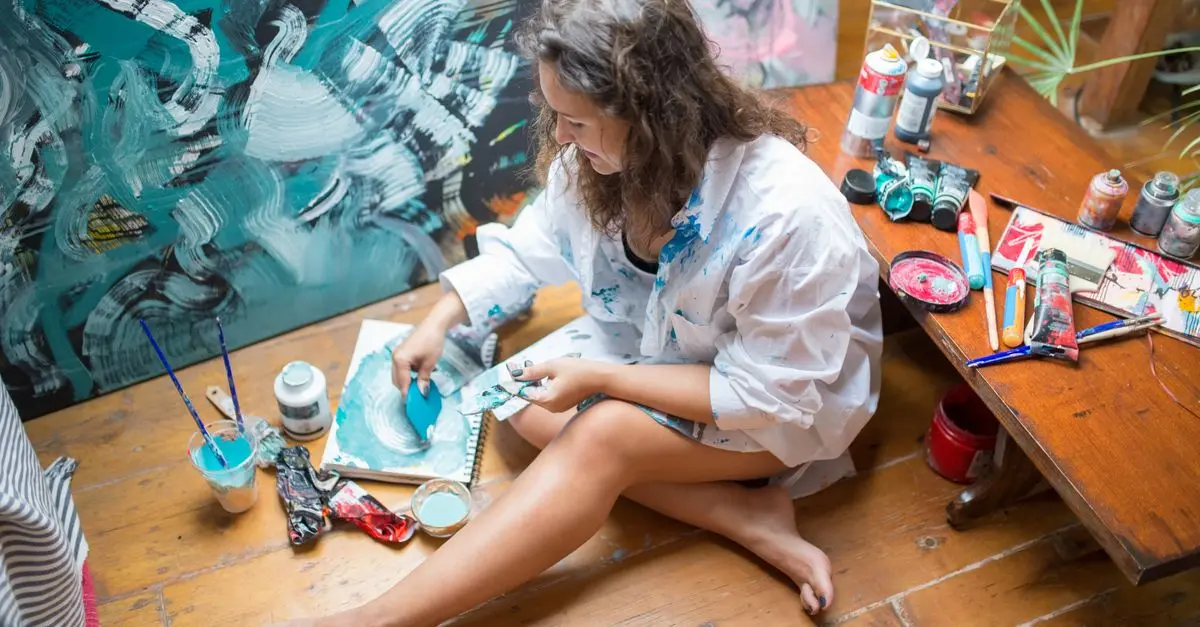
Cultivating artistic skills is not just about creating beautiful pieces of art; it's a continuous journey of personal growth and exploration. As an artist, whether you are a painter, musician, writer, or performer, investing in skill development is essential for achieving your full potential. In this guide, we’ll explore how to intentionally cultivate your artistic skills through structured practice and exploration.
1. Understanding the Importance of Skill Development
Before diving into specific methods for cultivating your artistic skills, it’s crucial to understand why this process is important. Skill development helps artists refine their techniques, broaden their creative horizons, and better express their unique vision. According to a study by the National Endowment for the Arts, artists who actively engage in skill development see a marked improvement in both their confidence and their creative output.
Moreover, developing your skills can help you stay relevant in an ever-evolving artistic landscape. Artistic trends come and go, and by continuously improving your craft, you not only keep your work fresh but also challenge yourself to innovate. By recognizing the significance of skill development, you set a solid foundation for your growth as an artist.
2. Establishing a Routine for Intentional Practice
Creating a structured routine is essential for cultivating artistic skills. Here’s how to establish a practical routine:
- Set specific goals: Determine what you want to achieve in your art practice. This could be mastering a new painting technique or writing a short story each week.
- Allocate time: Dedicate a consistent time block each day or week for your art practice. This could be as little as 30 minutes a day.
- Divide your practice: Split your time between exercises, free exploration, and feedback sessions. For example, spend 15 minutes on technique exercises, 10 minutes brainstorming ideas, and 5 minutes reflecting.
By following these steps, you can ensure that your practice is intentional and focused. Most importantly, remember to be flexible. Creativity cannot be rushed, and sometimes the best ideas come when you least expect them. Adjust your routine as necessary to stay motivated and inspired.
3. Exploring Various Artistic Mediums
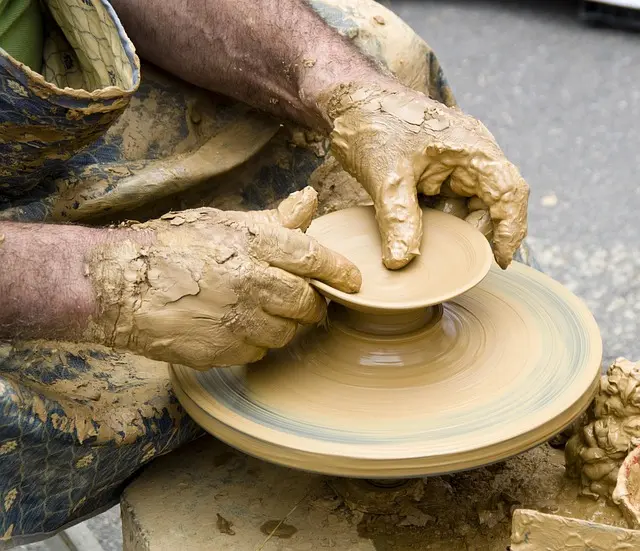
One common pitfall for many artists is sticking solely to their preferred medium. To cultivate artistic skills effectively, it can be beneficial to explore different mediums. Here are some suggestions:
- Try new materials: If you’re a painter, experiment with digital painting. If you’re a musician, try composing in a different genre.
- Take workshops: Participate in workshops that challenge you to use unfamiliar materials or techniques. Many community colleges and art centers offer courses for all skill levels.
- Collaborate with others: Working with other artists can expose you to new techniques and approaches. Consider forming an art collective or joining a local artist group.
Exploring different mediums not only expands your skill set but also helps you discover fresh inspirations and ideas. This diversity can lead to unique fusions in your work that resonate with your audience in unexpected ways.
4. Gathering Feedback and Constructive Criticism
Feedback is essential for growth as an artist. Here's how to effectively gather and incorporate it:
- Join critique groups: Surround yourself with other artists who can provide honest critiques of your work. Online platforms like DeviantArt or local meetups can be good places to start.
- Request feedback: Actively ask for input from trusted friends or mentors. Specify what areas you’re seeking feedback on, whether it’s technique, composition, or concept.
- Embrace criticism: Learning to accept constructive criticism can be challenging but is vital for improvement. Aim to view critiques as tools for growth rather than personal attacks.
Learning how to respond to feedback appropriately will create a feedback loop that revamps your work and cultivates your artistic skills effectively.
5. Setting Up Accountability Systems
Just like any other skill, cultivating artistic skills can benefit from having accountability systems in place. Consider the following methods:
- Create a community challenge: Set a challenge within a group of fellow artists, where everyone creates a piece based on a monthly theme. Share your progress to keep everyone motivated.
- Document your journey: Keeping a creative journal can help you reflect on your progress and recognize areas needing improvement. Regularly review your journal to track growth over time.
- Public sharing: Share your work on social media or personal websites to foster community engagement. Regularly posting updates keeps you accountable and allows for external support from followers.
By setting up these systems, you create a safety net that encourages consistent practice and growth.
6. Emphasizing the Joy of Exploration
Finally, remember that art is an exploration. Take time to enjoy the process without the pressure of perfection. Here’s how:
- Engage in free art days: Designate days where you create without any constraints or expectations. This could be doodling, experimenting with colors, or writing without a final goal.
- Visit galleries and exhibitions: Surround yourself with inspiration from other artists. Observe their work to inspire your own, and don’t be afraid to try techniques you admire.
- Embrace failures: Understand that not every piece will be a masterpiece. Learn to appreciate the process of creating, no matter the outcome.
Ultimately, exploring and enjoying your craft is key to effective skill cultivation.
7. Checklist for Skill Cultivation
- [ ] Set specific artistic goals
- [ ] Create a structured practice schedule
- [ ] Experiment with new mediums
- [ ] Seek constructive feedback regularly
- [ ] Establish accountability systems
- [ ] Allow for exploration and creativity
📺 Resource Video
To dive deeper into cultivating your artistic skills, check out the video: How to Improve Your Artistic Skills: Techniques and Tips. Search on YouTube for “how to cultivate artistic skills 2026”.
Glossary
| Term | Definition |
|---|---|
| Artistic Medium | The material or technique used by an artist to create their work, such as oil paint, digital tools, or clay. |
| Feedback | Constructive criticism and input provided on an artist's work to help improve their skills and techniques. |
| Accountability System | A method or structure by which an artist tracks their progress and commitments to their art practice. |
Checklist before starting
- [ ] Establish clear artistic goals
- [ ] Create a daily or weekly schedule
- [ ] Experiment with at least one new medium
- [ ] Join an artist group or critique session
- [ ] Share your progress on social media
Art is a journey. The more intentional you are about cultivating your artistic skills, the more enriching your journey will be. Remember to enjoy the process and let it shape not just your art, but your personal growth as well. Keep creating and exploring, and watch your skills flourish!
💡 Expert Opinion: Many successful artists reinforce the need for an enduring practice. According to Pablo Picasso, “All children are artists. The problem is how to remain an artist once we grow up.”
📺 Pour aller plus loin : how to cultivate artistic skills 2026 sur YouTube