Table of Contents (9 sections)
Cultivating your artistic skills is a journey that requires dedication, patience, and the right techniques. In this tutorial, we will walk through essential steps that can help you enhance your artistic abilities and enjoy the process of becoming a skilled artist.
1. Understand Your Artistic Passion
Before diving into the techniques, it's crucial to understand what art means to you. Are you drawn to painting, sculpture, digital art, or photography? Identifying your passion helps set the foundation for your learning.
Engage with art in various forms: visit galleries, attend workshops, and follow artists whose work resonates with you. This exposure not only broadens your artistic perspective but also helps you discover your unique style. According to a study by The National Endowment for the Arts (NEA), individuals who actively engage with the arts report higher satisfaction and well-being.
💡 Expert Insight: Take notes on what you like and dislike about different art forms. This will help you pinpoint the techniques and subjects that excite you, making it easier to choose your learning path.
2. Gather Essential Tools and Materials
Once you've identified your artistic focus, it's time to gather the right tools and materials. Each medium has its unique requirements:
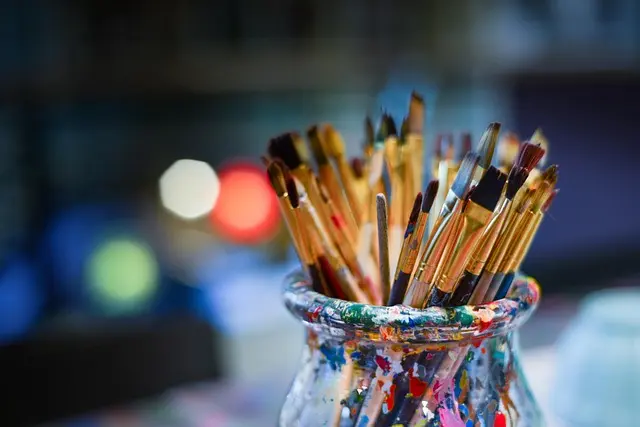
- For Painting: Invest in quality brushes, canvases, paints (acrylics, oils, watercolors), and palettes.
- For Drawing: Get a variety of pencils, charcoal, pens, and high-quality paper.
- For Digital Art: A graphics tablet, stylus, and software like Adobe Photoshop or Procreate are essential.
Investing in good quality materials can greatly affect your work's outcome. While it might be tempting to save money, subpar materials can hinder your learning experience. Seek advice from online art communities or local art supply stores to make informed choices.
3. Master the Fundamentals
Every artist must have a solid grasp of the basics. Regardless of your chosen art form, here are some fundamental skills to focus on:
- Color Theory: Understanding how colors work together can significantly enhance your artwork. Experiment with color mixing and learn about complementary colors.
- Composition: The arrangement of elements within your artwork is crucial. Practice the rule of thirds and other compositional techniques to create visually appealing pieces.
- Perspective: Mastering techniques of perspective can add depth to your drawings and paintings.
Practice Exercises: Spend time on focused exercises such as sketching basic shapes, mixing colors, or creating compositions from real-life objects. According to an article in Art Instruction Today, consistent practice of fundamental skills can accelerate your growth as an artist.
4. Develop Your Unique Style
As you gain a grip on fundamental skills, it's time to start exploring and developing your unique artistic voice. This process involves:
- Experimentation: Attempt various styles and techniques from artists you admire. Don’t hesitate to mix and match until you find what resonates with you.
- Feedback: Share your work with peers, mentors, or online communities. Constructive criticism can provide insights you might overlook.
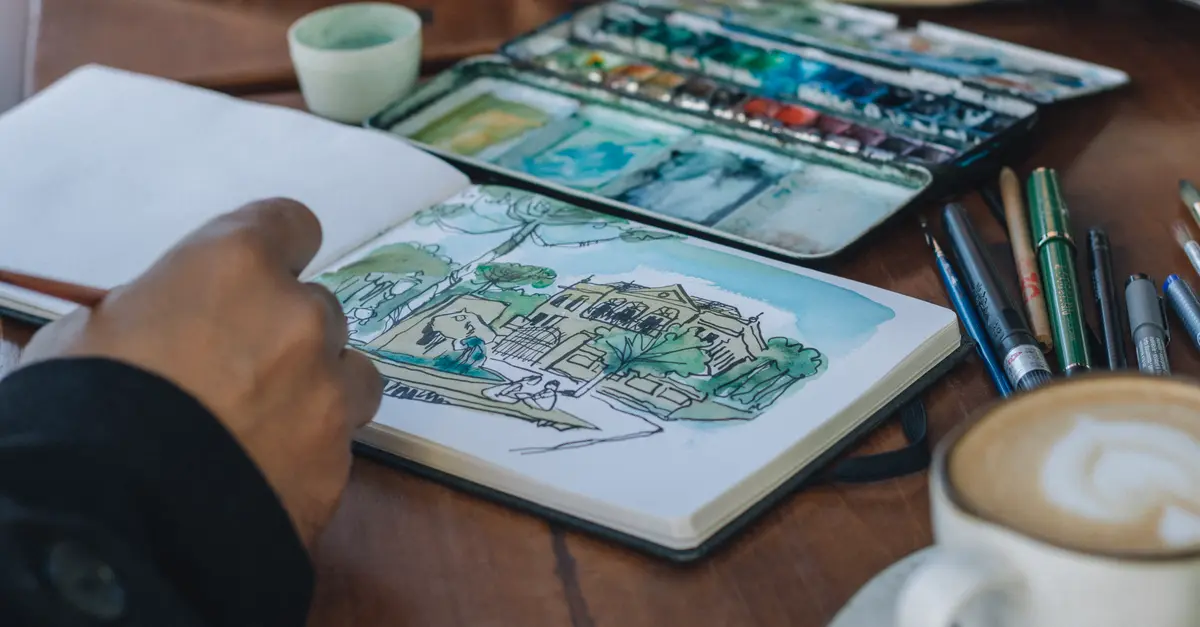
- Reflecting: Regularly reflect on your progress. Keeping a sketchbook can be beneficial for tracking your journey and identifying patterns in your work.
5. Set Goals and Create a Routine
Establishing a routine is imperative for any aspiring artist. Start by setting achievable goals:
- Daily Sketching: Commit to sketching every day. Even quick 20-minute sketches can build muscle memory and improve your skills.
- Weekly Projects: Set aside time for more extensive projects. This might include finishing a painting, experimenting with a new technique, or completing an art challenge.
- Art Challenges: Participate in monthly challenges such as Inktober or 30 Days of Art to keep your creativity flowing.
Creating a dedicated art routine can help you improve steadily and systematically. According to a survey by The Art Institute, 75% of successful artists attribute their skills to consistent practice and discipline.
6. Seek Continuous Learning
Art is an ever-evolving field. To cultivate your artistic skills continuously, seek opportunities for learning:
- Enroll in Workshops or Online Courses: Platforms like Skillshare or Udemy offer courses taught by experienced artists.
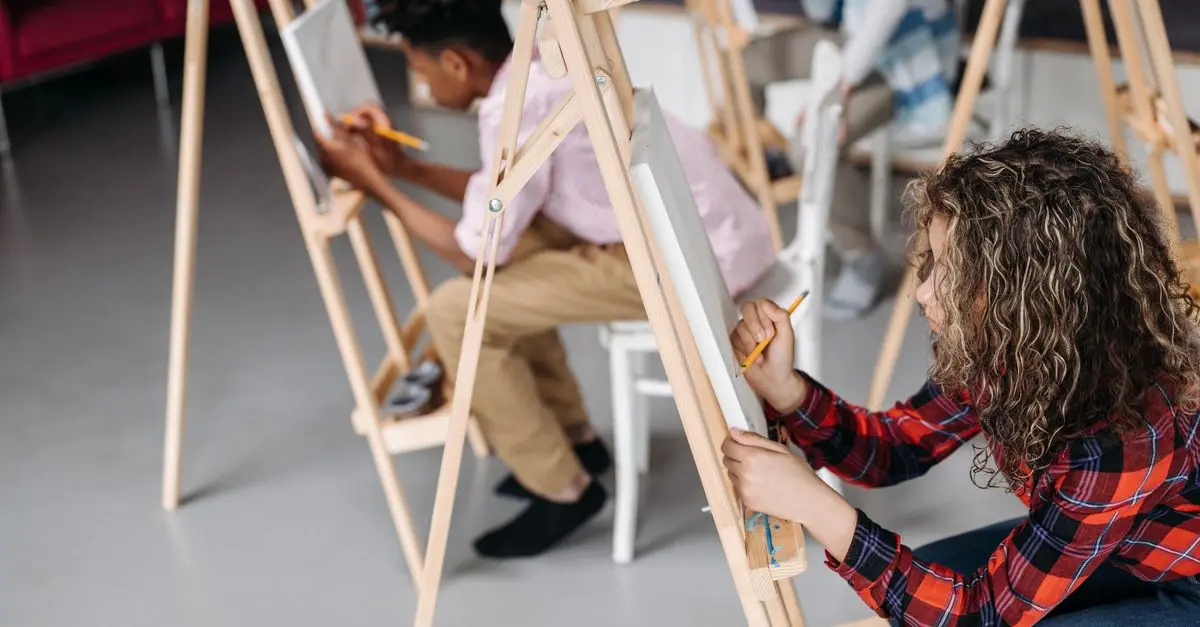
- Attend Art Classes: Local art schools often have classes for all skill levels. Engaging in a classroom environment can provide accountability and motivation.
- Study Art History: Understanding the masters and movements that shaped art can inspire your work and contextualize your practice within a broader narrative.
7. Showcase Your Work
As you develop your abilities, begin showcasing your work. This could involve:
- Social Media: Platforms like Instagram and Pinterest are bustling with artists.
- Art Exhibitions: Participate in local shows to gain visibility and connect with the community.
- Build a Portfolio: Document your evolution and the best of your work over time.
Creating an online portfolio can also help attract potential clients or commissions more efficiently.
📺 For further exploration:
> *Watch our YouTube video on