Table of Contents (12 sections)
Cultivating artistic skills is fundamental for anyone aiming to become a proficient artist, regardless of their chosen medium. Whether you're interested in painting, digital art, sculpture, or photography, understanding how to develop your skills can significantly enhance your creativity and output. In this article, we’ll outline a comprehensive step-by-step guide to help you cultivate your artistic skills effectively.
1. Define Your Artistic Goals
Before diving into the technical aspects of art, it’s essential to define what you want to achieve. Artistic goals help focus your practice and can differ greatly depending on personal interests. Consider asking yourself the following questions:
- What medium do I want to master? (e.g., painting, drawing, digital art)
- What themes or subjects do I wish to explore?
- Do I want to create for personal enjoyment, professional aspirations, or as a hobby?
Once you clarify your goals, you can tailor your learning. For example, if you aim to become a portrait painter, focusing on human anatomy and facial expressions will be crucial. Taking time to write these down can further clarify your vision, and you can periodically revisit and adjust this list as your skills develop.
2. Gather the Right Tools and Resources
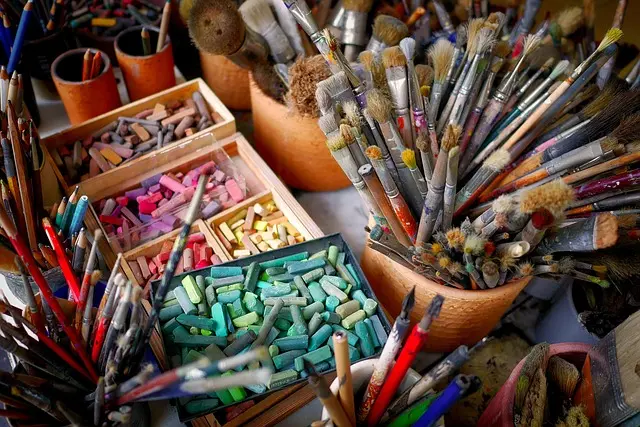
Equipping yourself with the right tools is vital in developing your artistic skills. Different art forms require various materials. For instance:
- Painting: Quality brushes, canvases, and a palette are essential.
- Drawing: Invest in pencils, charcoal, and sketchbooks.
- Digital Art: A good tablet and software like Photoshop or Procreate can work wonders.
In addition to physical tools, leverage online resources. Platforms like YouTube, Skillshare, and Coursera offer incredible art lessons. Make a curated list of tutorials relevant to your art goals. Don’t forget to engage with communities on social media like Instagram and Pinterest to keep your inspiration flowing.
3. Create a Consistent Practice Schedule
Just like any other skill, consistency is key in art. Design a practice schedule that suits your lifestyle. Aim to dedicate at least several hours each week to your craft. Start small, then gradually increase your time as you become more invested.
For example, if you set aside just two hours a week to sketch daily, you can build a habit. Over time, you’ll notice improvements in your hand-eye coordination, understanding of form, and personal style. Watching famous artists like Frida Kahlo or Vincent van Gogh, who also devoted considerable time to practice, can further motivate you.
4. Learn Fundamental Techniques
Understanding the fundamental techniques of your chosen medium is crucial for growth. These techniques often form the backbone of skilled artistry. For visual arts, this means mastering aspects such as:
- Color Theory: Understanding how colors interact can enhance your choice of palette.
- Composition: Effective arrangement of elements within your artwork can draw viewers in.
- Perspective: Learning how to create depth gives your work a three-dimensional feel.
Joining classes, whether online or in-person, can provide structured learning. Many local community colleges offer art classes at affordable rates. You’ll receive guidance, feedback, and an opportunity to learn alongside peers.
5. Seek Feedback and Critique
Receiving constructive criticism on your work can provide valuable insights into areas for improvement. Connecting with other artists can offer perspectives you might not have considered. Here are some ways to gather feedback:
-
Participate in local art workshops or online forums.
- Share your work on social media platforms and ask for feedback.
- Join art groups or clubs where members critique each other's work.
However, it’s crucial to sift through feedback and focus on what aligns with your artistic goals. Not all critique will resonate with your vision, so stay true to your style while being open to growth.
6. Diversify Your Influences
Being exposed to a variety of artistic styles and genres can broaden your horizons. Explore different art movements, cultures, and influences. This exposure can be beneficial in two ways:
- It enhances your understanding of art as a whole.
- It can inspire you to innovate within your own work.
Look into different artists, both historical and contemporary. Consider mixing styles in your own creations to develop a unique voice. For instance, incorporating elements of abstract and realistic styles can lead to exciting results in your pieces.
7. Maintain a Reflective Art Journal
Documenting your artistic journey can help you track progress and reflect on your development. An art journal can include sketches, notes, inspirations, and even failed attempts. This documentation not only serves as a reminder of past struggles but can also highlight growth.
Reflecting on your works will help you understand what works, what doesn't, and the directions you'd like to explore further. Reflective practice is key to artistic development and can lead to emotional and creative breakthroughs.
8. Stay Inspired and Be Patient
Art is a continuous journey. Staying inspired is vital, but obstacles are part of the process. Celebrate small victories, like completing a piece or learning a new technique. Consider taking breaks to refresh your perspective and avoid burnout. Creativity can ebb and flow, and patience is essential as you cultivate your skills over time.
💡 Expert Advice: Remember, perseverance is key. Many artists have faced rejection and criticism but persisted in their journeys to success.
Checklist for Cultivating Your Artistic Skills
- [ ] Define your artistic goals clearly
- [ ] Gather essential tools and resources
- [ ] Create a consistent practice schedule
- [ ] Learn fundamental techniques of your chosen medium
- [ ] Seek feedback from peers and mentors
- [ ] Diversify your artistic influences
- [ ] Maintain a reflective art journal
- [ ] Stay patient and inspired through the journey
Glossary
| Term | Definition |
|---|---|
| Artistic Medium | The materials or techniques used to create art (e.g., paint, charcoal). |
| Composition | The arrangement of visual elements within a work of art. |
| Critique | Constructive feedback that helps improve artistic skills. |
📺 Resource Video
> 📺 For further learning: *
📺 Pour aller plus loin : how to cultivate artistic skills effectively sur YouTube