Table of Contents (11 sections)
Cultivating artistic skills is a journey that requires dedication, patience, and a structured approach. Whether you're a beginner or an experienced artist looking to refine your techniques, this guide offers a step-by-step method to help you progress in your artistic endeavors. Through practical advice, examples, and common pitfalls to avoid, you'll find the resources to enhance your artistic abilities.
1. Establish a Foundation in Art Basics
Before diving into advanced techniques, it's crucial to have a solid foundation in basic artistic principles. Understanding elements such as line, shape, color, form, space, and texture is fundamental. Begin by exploring different forms of art such as drawing, painting, sculpture, or digital art. Take a few introductory courses—either online or at local community centers—to grasp these fundamentals.
- Practice regularly: Set aside time each week dedicated to practicing drawing or painting. This builds muscle memory and confidence.
- Study works by master artists: Analyze their techniques. Many free resources online can provide insights into how these artists approached their work.
This foundational knowledge is essential as it informs every artistic decision you make. By mastering the basics, you position yourself for further exploration into more complex concepts and styles.
2. Set Specific Artistic Goals
Setting clear and achievable goals is critical for your growth as an artist. Goals provide direction and a sense of purpose. Start by defining what you want to achieve in your artistic practice. Here are some examples:
- Goal: Create a series of five paintings by the end of the year.
- Goal: Master the technique of watercolor painting.
Break these goals into smaller, actionable steps. For instance, if your aim is to create a series of paintings, outline the themes, color palettes, and mediums you wish to explore in each piece. Regularly review and adjust your goals based on your evolving interests and skills.
3. Experiment with Different Mediums
Exploration is an essential part of cultivating artistic skills. Don't limit yourself to one medium—experimenting with different styles and materials can provide fresh insights and inspiration. For example:
- Draw with charcoal, pencil, and ink.
- Paint using acrylics, oils, or watercolors.
- Try digital art using software tools.
Each medium offers unique challenges and opportunities for creativity. Document your experiences to identify which medium resonates with you. Remember, the goal is to discover your preferences and strengths while expanding your artistic toolkit.
4. Gather Constructive Feedback
Seeking feedback is key to growth and is often overlooked. Sharing your work with peers, instructors, or online art communities can provide invaluable insights. Consider the following methods for obtaining constructive feedback:
- Join an art group: Engage with local or online art communities where you can share your work and receive critique.
- Participate in workshops: These provide immediate feedback from professionals and peers in a supportive environment.
When receiving feedback, focus on specific aspects such as composition, color choice, and technique. Remember, not all feedback will resonate—be selective about what you integrate into your work.
5. Create a Routine and Track Your Progress
Establishing a consistent routine is essential for cultivating artistic skills. Dedicate specific hours each week for your artistic practice. Consistency not only hones your skills but also encourages discipline. Use a tracking method, such as a journal or digital app, to monitor your progress:
- Record your artistic activities: Include what you practiced, challenges faced, and insights gained.
- Set short-term milestones: Celebrate small achievements to keep motivation high.
Tracking progress visually, such as through monthly photographs of your artwork, can help you recognize growth over time.
6. Reflect and Adapt Your Techniques
Regular reflection on your work and techniques is vital. After completing a project, take the time to review it critically. Ask yourself:
- What worked well?
- What could be improved in future projects?
- Which techniques would I like to explore further?
Adapt your approach based on your reflections. If you find yourself repeatedly enjoying a particular aspect, such as color blending in painting, dig deeper into that area through tutorials or additional practice.
📺 Resource Video
📺 For further learning: Unleash Your Creativity: Step-by-Step Artistic Practices, a video analysis of essential practices. Search on YouTube: "artistic skill enhancement".
Glossary
| Terme | Définition |
|---|---|
| Technique | Méthode utilisée pour créer une œuvre d'art, influençant son style et sa qualité. |
| Medium | Matériau ou outil utilisé pour créer une œuvre d'art, comme la peinture, le crayon, ou le numérique. |
| Composition | Organisation des éléments visuels dans une œuvre d'art, déterminant l'impact global de l'œuvre. |
Checklist avant achat
- [ ] Évaluer vos compétences actuelles
- [ ] Définir des objectifs clairs
- [ ] Explorer différents mediums
- [ ] Rechercher des retours sur vos œuvres
- [ ] Établir un calendrier de pratique
Recommended Products:
- - ---
📺 Pour aller plus loin : artistic skill enhancement techniques sur YouTube
Recommended products
Selected by our experts
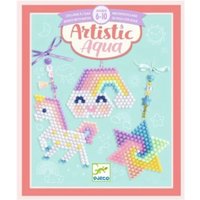
Jeu créatif Djeco Artistic Aqua Perles à repasser Arc-en-ciel
Fnac FR
This product is excellent for creative exploration in artistic practices, allowing for new projects that enhance skills.
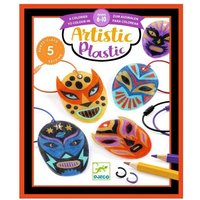
Jeu créatif Djeco Artistic Plastic Porte-clés Catcheurs
Fnac FR
Useful for hands-on experience in creating art, this product encourages creativity and skill development.