Table of Contents (22 sections)
Developing artistic skills is not about following a rigid formula; it’s a personal journey filled with exploration and expression. Whether you aspire to become an artist or simply want to enhance your creative abilities, understanding how to cultivate these skills can make a significant difference. This guide outlines steps that will not only help you develop your technique but also expand your artistic vision. From daily practices to tips on overcoming creative blocks, you’ll find everything you need to embark on your artistic journey.
1. Establish a Daily Practice
The foundation of cultivating artistic skills lies in consistent practice. Setting aside time each day to engage with your art significantly enhances your abilities. Aim for at least 30 minutes daily. This can involve sketching, painting, or even digital art.
Tips for Daily Practice:
- Choose a Time: Find a time when you feel most creative. It could be early morning or late at night.
- Set a Timer: Use a timer to avoid distractions. This will help you to focus solely on your art during that period.
- Keep a Sketchbook: Carry a small sketchbook with you. Jotting down ideas or drawing whenever inspiration strikes is invaluable.
Common Mistakes to Avoid:
- Overthinking: Don't worry about perfection in each piece. The goal is to practice and develop your voice as an artist.
- Neglecting Breaks: Long unbroken sessions can lead to burnout. Remember to take short breaks to refresh your creativity.
2. Experiment with Different Mediums
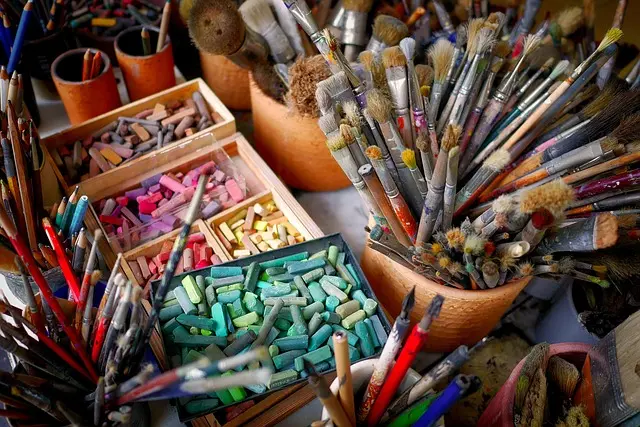
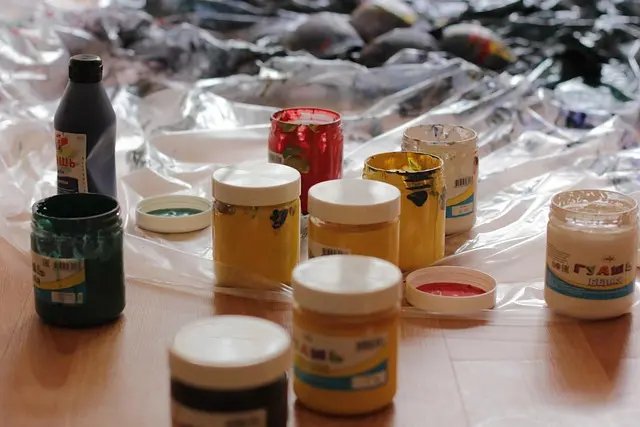
To truly cultivate your artistic skills, experiment with various mediums. From watercolors to acrylics, each medium offers unique challenges and possibilities. Trying new materials allows you to discover what resonates with you the most.
Examples of Mediums to Explore:
- Graphite/Pencil: Great for sketching and honing your drawing skills.
- Watercolors: Excellent for understanding color blending and fluidity.
- Digital Art: Offers endless possibilities with tools like Adobe Photoshop or Procreate.
How to Get Started:
- Attend Workshops: Look for local workshops or online courses focusing on different mediums.
- Buy Sample Kits: Consider purchasing small sample kits from established brands like Winsor & Newton or Faber-Castell. This helps you explore without investing too heavily upfront.
3. Study the Masters
Learning from great artists can provide insight into techniques and styles that might inspire your own work. Whether you choose to study classical artists like Van Gogh or contemporary figures, analyzing their work can deepen your understanding of art.
Steps to Study Effectively:
- Visit Museums: Spend time in museums and galleries. Take notes on techniques and styles you find appealing.
- Online Courses: Platforms like Skillshare and MasterClass offer courses by well-known artists, providing structured learning.
- Art Books: Invest in books that detail the techniques of famous artists. Analyzing their works can reveal more than just techniques, but also philosophies behind their creations.
How This Enhances Skills:
Studying the masters helps you build a strong foundation in technique while also allowing for personal expression. You’ll start to see elements of your own voice appearing through practice and study.
4. Create a Portfolio of Work
Developing a portfolio is essential as it showcases your growth as an artist. Aim to create a diverse collection that reflects your skills and interests.
Components of a Strong Portfolio:
- Diversity: Include different styles and mediums you are comfortable with.
- Focus: Highlight your best pieces. Strive for quality over quantity.
- Documentation: Keep records of your pieces, noting the dates, tools used, and lessons learned from each.
Common Portfolio Pitfalls:
- Including Everything: Resist the temptation to include every piece you’ve ever made. Instead, curate selections that tell your artistic story.
- Ignoring Updates: Regularly review and update your portfolio as you evolve. This keeps it relevant and shows your growth.
5. Seek Feedback and Collaborate
Interaction with other artists can provide invaluable feedback. Participating in group critiques or collaborations can open new doors and offer perspectives you might not have considered.
Ways to Engage with the Artistic Community:
- Join Local Art Groups: Many cities have local art organizations that hold critiques, exhibitions, and workshops.
- Online Forums: Websites like DeviantArt and Reddit can provide a platform for sharing work and obtaining constructive feedback.
- Collaborative Projects: Find fellow artists for joint projects. Collaboration can reveal new techniques and stimulate creativity.
Avoiding Negative Experiences:
- Be Open-Minded: While receiving feedback, remember it’s meant to push you toward improvement, not to discourage you.
- Close Collaborations: Choose collaborators who share similar dedication to quality and respect each other’s artistic vision.
6. Further Education and Workshops
Investing in your education through formal courses or workshops can significantly accelerate your artistic growth. Look for programs that align with your interests and objectives.
Considerations When Enrolling:
- Reputation: Research institutions and review testimonials about their teaching approaches.
- Course Content: Ensure that the course syllabus aligns with your artistic goals.
- Networking Opportunities: Look for programs that facilitate connections with established artists or fellow budding artists.
Benefits of Continuing Education:
Formal education not only solidifies your technical skills but also expands your network, giving you access to resources and opportunities you wouldn’t have otherwise.
📺 Resources
> 📺 To go further: How to Develop Your Artistic Skills, an in-depth exploration of practical techniques. Search on YouTube: "how to cultivate artistic skills."
Checklist Before You Start Cultivating Your Artistic Skills
- [ ] Set aside daily practice time
- [ ] Select a new medium to explore
- [ ] Plan visits to museums or online courses
- [ ] Create an initial portfolio
- [ ] Find an artist community or forum to engage with
- [ ] Research and consider further education opportunities
Glossary
| Term | Definition |
|---|---|
| Medium | The materials used to create art, such as oils, watercolors, or pastels. |
| Portfolio | A collection of an artist's work used to showcase skills and style. |
| Critique | A detailed analysis of a work of art, intended to provide constructive feedback. |
> 🧠 Quick Quiz: What is the most important aspect of cultivating artistic skills?
> - A) Daily practice
> - B) Buying expensive materials
> - C) Perfecting one style
> Answer: A — Daily practice builds the foundation and habit for growth.
📺 Pour aller plus loin : how to cultivate artistic skills sur YouTube