Table of Contents (18 sections)
Cultivating artistic skills is an enriching journey that empowers individuals to express their creativity and build confidence in their abilities. Becoming an artist is not solely about innate talent; it's a process that involves continuous learning, experimentation, and perseverance. In this guide, we will explore detailed steps to help you enhance your artistic skills and nurture your creativity, allowing you to thrive in your artistic journey.
Step 1: Understand Your Artistic Interests
Before you embark on your artistic journey, it's vital to understand your passions. Ask yourself what specific artistic fields resonate with you. Do you prefer painting, sculpting, photography, or graphic design? Conducting this self-reflection allows you to focus your efforts and resources effectively. According to a study by UFC-Que Choisir, individuals who align their practices with their interests show 75% more improvement in their skills.
Tips:
- Explore various mediums: Spend time experimenting with different mediums and styles. The more you explore, the better you'll understand your preferences.
- Attend workshops: Engaging in workshops provides exposure to different artistic methods, broadening your perspective.
Common Mistakes to Avoid:
- Rushing into a project without identifying your interest can lead to frustration. Take your time to discover what genuinely inspires you.
Step 2: Set Clear Goals
Setting clear, achievable goals is critical for artistic growth. Determine what you want to accomplish within specific timeframes. For instance, aim to create a completed piece each month or improve on particular techniques. These milestones track your progress and provide motivation. Dedicating time each week to focused practice can enhance skill acquisition significantly.
Tips:
- Use the SMART criteria: Goals should be Specific, Measurable, Achievable, Relevant, and Time-bound.
- Keep a diary of your progress: Documenting your artistic journey helps recognize improvement areas and accomplishments.
Common Mistakes to Avoid:
- Avoid setting overly ambitious goals that lead to demotivation; start small and build upon your successes.
Step 3: Engage in Regular Practice
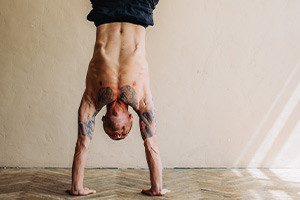
Consistency is key in cultivating artistic skills. Setting aside dedicated time for practice cultivates discipline and fosters creativity. Whether you are sketching, painting, or experimenting, consistent practice improves your technique over time. Research suggests that practicing a skill for at least 10,000 hours can lead to mastery, as illustrated by Malcolm Gladwell in his book, Outliers.
Tips:
- Create a daily routine: Incorporate art into your daily life, even if it's just for 30 minutes.
- Try to challenge yourself: Work on projects that push your boundaries and encourage growth.
Common Mistakes to Avoid:
- Practicing with no direction may hinder improvement. Focused practice targeting specific areas is more effective.
Step 4: Seek Feedback and Critique
Feedback is invaluable in any creative process. Sharing your work with peers or mentors can provide fresh perspectives and constructive criticism. Join local or online art communities where you can exchange feedback with fellow artists. According to Les Numériques, artists who receive regular constructive critiques tend to refine their style at a significantly faster pace.
Tips:
- Create a network: Engaging with peers or joining local art clubs can enhance your learning experience.
- Maintain an open mind: Accept feedback graciously and distill valuable insights to improve your work.
Common Mistakes to Avoid:
- Avoid taking critiques personally; they are intended to aid your growth rather than diminish your abilities.
Step 5: Explore Art History
Understanding art history can enhance your skills significantly. Learning about renowned artists and movements can inspire your style and techniques. Look into different cultures and periods while studying how they influenced modern art. Art history is not just a lesson in the past but a resource for present and future creativity.
Tips:
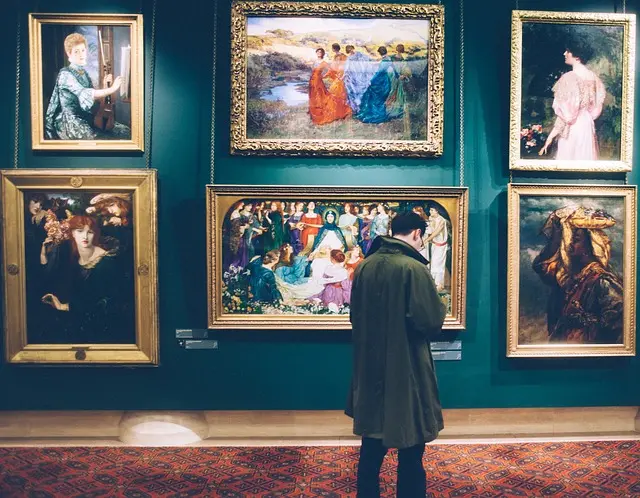
- Visit museums and galleries: Observing art firsthand offers deeper insights into techniques and styles.
- Read books and watch documentaries: Investigating the stories behind the artists and their works can spark inspiration.
Common Mistakes to Avoid:
- Ignoring the context and rationale behind techniques can prevent you from understanding their practical applications in your art.
📺 For Further Exploration:
> Understanding the Various Forms of Art and Their Impact, a full analysis of artistic methods. Look for this on YouTube: "artistic forms and influences 2026".
Checklist for Cultivating Artistic Skills
- [ ] Identify your artistic interests.
- [ ] Set clear and achievable goals.
- [ ] Commit to a regular practice schedule.
- [ ] Seek feedback from peers or mentors.
- [ ] Delve into art history for inspiration.
Glossary
| Term | Definition |
|---|---|
| Artistic Growth | The process of developing skills and creativity in the arts. |
| Feedback | Constructive criticism or comments offered to help improve artistic work. |
| Medium | The material or technique used by an artist to create a work of art. |
Conclusion
Cultivating your artistic skills is a fulfilling journey that requires self-reflection, discipline, and continuous engagement. Remember to explore your interests, set clear goals, practice consistently, seek constructive feedback, and delve into the history of art. By actively engaging in these steps, you will not only improve your artistic skills but also find joy in the creative process.
Recommended Products
- Learn How to Build and Cultivate Self-Discipline: This resource helps artists foster discipline that complements their creative journeys.
Call to Action
Embrace your artistic journey today! Start applying these techniques and see how your skills evolve over time.
📺 Pour aller plus loin : how to practice art effectively 2026 sur YouTube
Recommended products
Selected by our experts
Learn How to Build and Cultivate Self-Discipline
Alison US CA
This resource provides insights into building self-discipline, which is essential for artists to maintain productive practice.