Table of Contents (19 sections)
In the ever-evolving landscape of the arts, nurturing an artistic mindset is essential for anyone aiming to thrive creatively. This mindset encompasses more than just talent; it includes the ability to embrace challenges, learn from failures, and continually adapt. As you engage in this tutorial, you will learn actionable strategies to cultivate an artistic mindset that propels you toward success in your artistic journey.
1. Understanding the Artistic Mindset
An artistic mindset refers to a set of beliefs, attitudes, and habits that foster creativity and innovation. At its core, this mindset encourages you to see the world through a lens of possibility rather than limitation. According to research published in the Journal of Psychology in 2025, individuals with a flexible mindset are 30% more likely to achieve their creative goals than those with a fixed perspective.
Why is This Important?
Cultivating an artistic mindset is vital because it allows artists to overcome self-doubt and fear of failure. It prepares you to tackle creative projects with confidence, fostering resilience in the face of criticism or setbacks. Moreover, a strong artistic mindset can enhance collaboration with others, leading to richer artistic experiences.
Common Misconceptions
Many believe that an artistic mindset is a rare gift reserved for the exceptionally talented. However, the truth is that anyone can develop this mindset through deliberate practice and a commitment to personal growth.
2. Embracing Failure as a Stepping Stone
Step 1: Redefine Failure
To develop an artistic mindset, it’s essential to redefine your perception of failure. Rather than viewing it as the end of the road, see it as a crucial part of the creative process. Examples abound of renowned artists who faced multiple rejections before achieving success. For instance, Vincent van Gogh sold only one painting during his lifetime but is now regarded as one of the greatest artists.
Step 2: Create a Failure Log
Start keeping a failure log to track your setbacks and what you learn from them. This can be a physical journal or a digital document. For every failed attempt, note what went wrong and how you plan to improve next time. This practice fosters resilience and will enable you to approach future projects with a growth-oriented mindset.
3. Cultivating Curiosity and Open-Mindedness
Step 1: Explore New Mediums
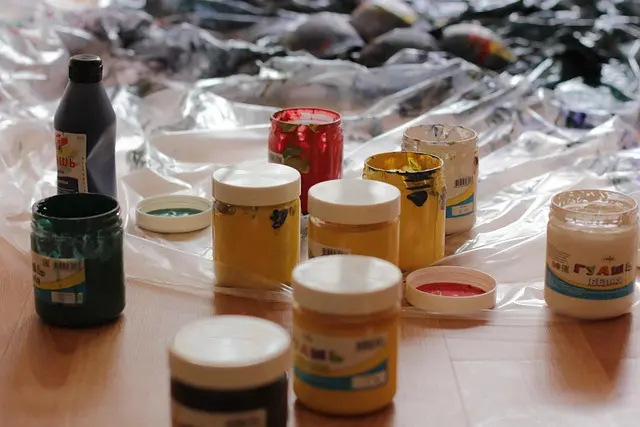
Engaging with different art forms can help broaden your creative perspective. Whether it’s painting, sculpting, or digital art, experimenting with various mediums will encourage a more open-minded approach. Art supplies can vary significantly in price; for example, basic acrylic paints can cost between $20 to $50, while professional-grade sets go for a few hundred dollars.
Step 2: Attend Workshops and Exhibitions
Participating in workshops and visiting art exhibitions can stimulate your creativity. Each new experience can provide you with inspiration and a fresh lens through which to view your own work. This exposure not only fuels your creativity but also helps you connect with fellow artists and expand your network.
4. Developing a Daily Creative Practice
Step 1: Set Aside Time for Creativity
Consistency is key in cultivating an artistic mindset. Dedicate specific times in your daily schedule for creating art, just as you would for any important appointment. This could be as little as 30 minutes each day, but over time, this habit will significantly enhance your creative output.
Step 2: Create a Conducive Environment
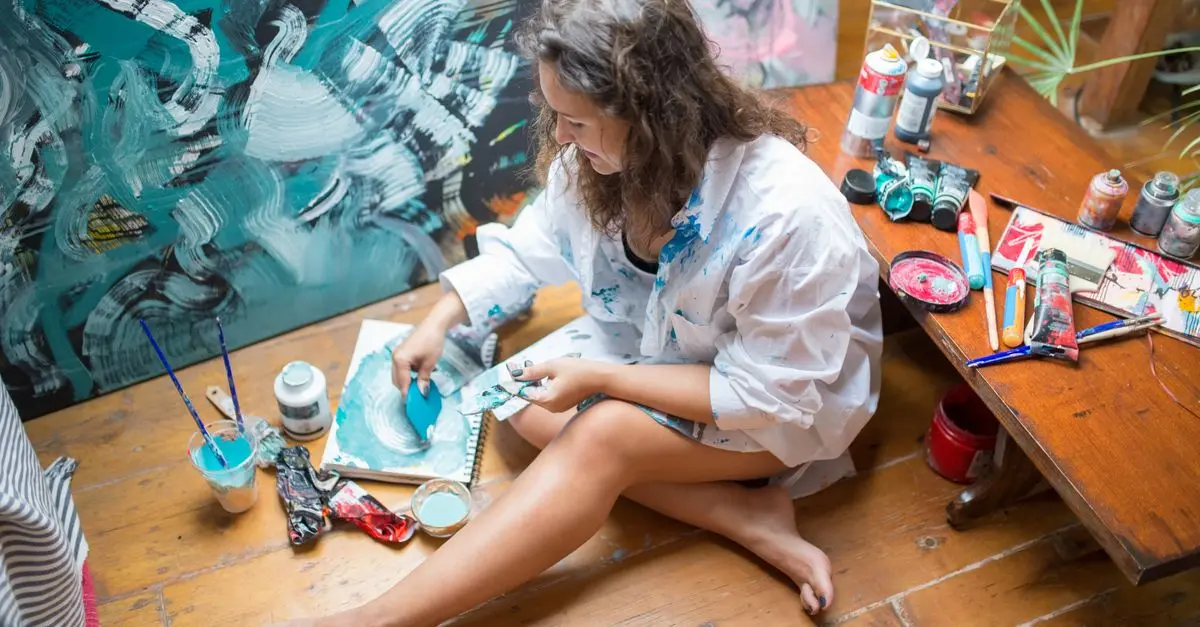
Ensure that your workspace is inviting and inspires creativity. Surround yourself with art that resonates with you, and keep materials within reach. The right environment can drastically influence your mood and productivity.
5. Building a Supportive Community
Step 1: Find Mentorship
Seek out mentors who can guide you through your artistic journey. Having someone to provide feedback and encouragement can not only improve your skills but also enhance your confidence. Their experiences can provide invaluable lessons that shape your artistic path.
Step 2: Join a Local Art Group
Connecting with a community of artists can cultivate a sense of belonging and motivate you to push your creative limits. Collaborating with others can lead to unique projects and help you gain new insights into your work. You could join local art collectives or participate in online communities focused on artistic development.
📺 Resource Video
> For more insights, check out [How to Develop Your Artistic Mindset], a comprehensive analysis of strategies from top artists. Search on YouTube for: "artistic mindset techniques 2026".
Glossary
| Term | Definition |
|---|---|
| Artistic Mindset | A perspective that fosters creativity and resilience in artistic practices. |
| Curiosity | A desire to learn or know about something, essential for exploring new ideas. |
| Resilience | The capacity to recover quickly from difficulties; vital for artists in facing challenges. |
Checklist Before You Start
- [ ] Redefine your perception of failure.
- [ ] Keep a failure log.
- [ ] Explore at least one new art medium.
- [ ] Dedicate daily time for creativity.
- [ ] Seek a mentor or join a local art community.
🧠 Quick Quiz: What is the key to an artistic mindset?
- A) Talent
- B) Curiosity
- C) Wealth
Answer: B — Curiosity fuels creativity and expands your artistic vision.
📺 Pour aller plus loin : artistic mindset techniques 2026 sur YouTube