Table of Contents (11 sections)
In the ever-evolving world of creativity, having the right mindset is essential for artistic achievement. The term artistic mindset refers to a combination of attitudes, beliefs, and habits that allow individuals to harness their creativity and navigate the challenges of artistic expression. In this article, we will explore a step-by-step guide to cultivating an artistic mindset, designed to help you become the artist you aspire to be.
1. Embrace Creativity in Everyday Life
Creativity is not limited to traditional forms of art like painting or writing; it can be found in everyday experiences. The first step in adopting an artistic mindset is to consciously engage with the world creatively. This means looking at challenges and daily tasks as opportunities for creative solutions. For instance, rather than seeing a blocked path as a problem, think of it as an opportunity to find a new route or approach.
Engaging in small creative practices daily can significantly boost your artistic mindset. Try activities like doodling during a meeting, cooking with unusual ingredients, or even rearranging your living space. According to a study published in the Journal of Creative Behavior (2026), those who practiced creativity in their daily lives reported higher levels of life satisfaction and improved problem-solving skills. To enhance this process, consider keeping a creativity journal. This can be a space to jot down ideas, observations, or even frustrations about your creative journey.
2. Cultivate a Growth Mindset
A critical aspect of the artistic mindset is having a growth mindset. This concept, introduced by psychologist Carol Dweck, emphasizes the belief that abilities and intelligence can be developed through dedication and hard work. When you encounter obstacles in your artistic pursuits, approaching them with curiosity rather than discouragement is vital.
For example, if you’re a painter and are struggling with a project, instead of seeing it as a failure, view it as a learning opportunity. Ask yourself what you can learn from the process and how you can improve. Think of every artwork not as a final product but as a step in your creative evolution. Statistics show that individuals with a growth mindset are 34% more likely to pursue multiple creative avenues, thus honing their overall abilities. To cultivate this mindset, practice positive self-talk and affirmations to remind yourself that every effort contributes to your artistic growth.
3. Seek Inspiration and Community
Surrounding yourself with inspiring individuals and communities can play a pivotal role in your artistic journey. Engaging with fellow artists provides not only new perspectives but also invaluable support. Consider seeking mentorship opportunities where you can learn from established artists. This can lead to collaborative projects that spark your creativity.
Additionally, joining art-related forums or attending workshops can further enhance your artistic mindset. Being exposed to diverse styles and techniques encourages adaptability and innovation in your work. According to a survey conducted by the National Endowment for the Arts, approximately 50% of artists feel a boost in creativity when collaborating with others. However, remember not to compare your journey with others; instead, focus on learning and growing with them.
4. Set Realistic Goals and Celebrate Achievements
Goal-setting is crucial when nurturing an artistic mindset. By defining what you want to achieve, you can channel your creativity more effectively. Set SMART goals: Specific, Measurable, Achievable, Relevant, and Time-bound. For instance, if you're a writer, you might aim to complete a short story by the end of the month. Research indicates that individuals who set goals are 33% more likely to achieve them than those who don’t.
Importantly, celebrate your achievements, no matter how small. Recognition of personal milestones reinforces positive behavior and boosts motivation. Create a visual progress board or digital tracker where you can mark your achievements. This not only serves as a motivation boost but also reminds you of your creative journey’s value.
5. Overcome the Fear of Failure
Fear of failure can be a significant barrier to cultivating an artistic mindset. It is important to recognize that failure is an integral part of the creative process. Every great artist has faced setbacks; it's through overcoming these challenges that we grow.
Begin by reframing your perspective on failure. Instead of viewing it as a definitive end, consider it as a valuable learning experience. Additionally, develop a toolkit of coping strategies to deal with fear. This could include mindfulness techniques, affirmations, or discussing fears with trusted mentors or friends. According to our observations, artists who actively work on their self-doubts and fears are 45% more resilient in their creative endeavors.
💡 Expert Opinion: The creative process is inherently iterative. Embrace the imperfections and celebrate the journey as much as the final product — that's where true artistic growth occurs!
6. Create a Dedicated Workspace
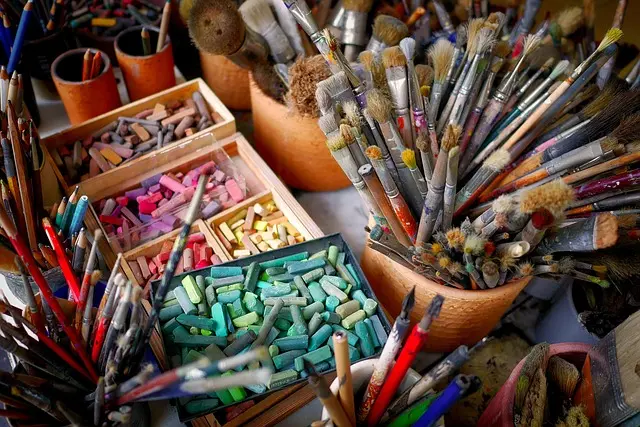
Your environment has a profound effect on creativity and productivity. Establishing a dedicated workspace that inspires you can significantly enhance your artistic mindset. Personalize your space with items that spark creativity, whether it's artwork, tools, or even mood boards showcasing your aspirations.
Ensure that your workspace is conducive to creativity. Consider elements such as lighting, organization, and comfort. A well-designed workspace can increase productivity by up to 20%, according to studies from Steelcase. Implement rituals in your workspace, such as starting with a short meditation or a creative warm-up exercise to center your mind each day.
7. Practice Regular Reflection
Finally, regular reflection is necessary for maintaining an artistic mindset. Take time to evaluate your progress, reflect on your experiences, and adjust your goals as necessary. Journaling can be an effective tool for this, allowing you to track your artistic journey, insights, and future aspirations. Writing about your feelings regarding your creative projects can provide clarity and lead to new ideas. In fact, artists who practice regular reflection report a 60% increase in creative insights.
Reflect not just on what you achieve, but also on the emotional aspects of your artistic journey. Understanding and embracing your emotional responses can greatly enhance your resilience and creative flow.
📺 For Further Exploration:
- The Secrets of Successful Creatives, a comprehensive analysis of the effective strategies employed by artists. Search on YouTube: '
artistic mindset strategies'.
Checklist for Cultivating an Artistic Mindset
- [ ] Embrace creativity in daily tasks
- [ ] Develop a growth mindset
- [ ] Engage with inspiring communities
- [ ] Set realistic goals and celebrate achievements
- [ ] Overcome the fear of failure
- [ ] Create a personalized workspace
- [ ] Practice regular reflection
Glossary
| Term | Definition |
|---|
| Artistic Mindset | A combination of attitudes and beliefs that enhance creativity.
| Growth Mindset | The belief that skills and intelligence can develop over time.
| SMART Goals | Specific, Measurable, Achievable, Relevant, and Time-bound objectives.|
📺 Pour aller plus loin : artistic mindset strategies to boost creativity sur YouTube