Table of Contents (12 sections)
Creating art is a deeply personal journey. Understanding how to create art that reflects your unique perspective can be liberating and fulfilling. Art is not only a visual representation; it is a medium through which you communicate your thoughts, feelings, and experiences. In this tutorial, we will explore step-by-step techniques to ensure your art authentically represents who you are.
1. Understanding Your Artistic Voice
Before diving into any creation, it’s essential to understand your artistic voice. What emotions do you want to convey? Are there specific themes that resonate with you? Engaging in self-reflection can help you pinpoint the elements of your personality you'd like to express through your art. Identifying influences—such as artists, movements, or personal experiences—is also valuable. Try keeping a journal where you jot down thoughts and inspirations. Over time, this practice will provide insight into your preferences and artistic inclinations. Acknowledging your artistic voice sets the stage for creating art that feels true to you.
2. Experimenting with Different Mediums
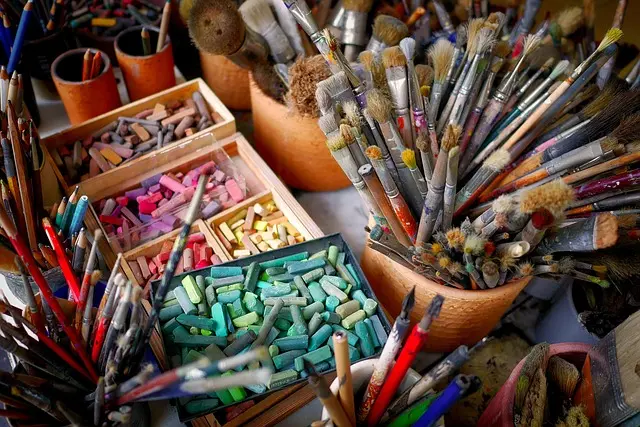
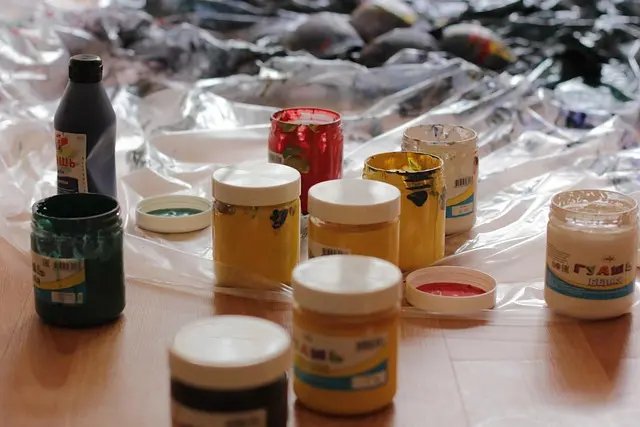
Exploring various artistic mediums can open up new avenues for your expression. Whether it’s painting, sculpture, photography, or digital art, each medium offers its unique qualities. Try different techniques and tools to discover how they resonate with your artistic voice. For example, if you typically paint with oils, consider experimenting with acrylics or watercolor. Each medium has strengths and weaknesses that can affect your outcome. According to a survey by UFC-Que Choisir, 75% of artists claim that experimenting with different styles greatly contributes to finding their distinctive voice. Don't be afraid to make mistakes; they can often lead to unexpected and beautiful results.


3. Creating a Personal Mood Board
A mood board serves as a visual representation of your thoughts and ideas. Gather images, colors, textures, and words that inspire you and represent your artistic vision. This can be done digitally using platforms like Pinterest or physically with magazine clippings. By curating a collection of images that inspire you, you can better understand the aesthetics and themes you want to explore in your work. This step aids in solidifying your vision before you start creating. It also provides a reference point, helping maintain your focus as you work on your projects.
4. Sketching and Planning Your Artwork
Before diving into the actual creation process, it can be valuable to sketch out your ideas. Rough drafts help clarify your composition and allow you to experiment with different layouts and colors without any commitment. This planning stage is where you can combine elements from your mood board and reflect your unique perspective. Remember, the sketching phase is flexible; allow changes as you see fit. According to research conducted by INSEE, effective planning can reduce stress and boost creativity.
5. Engaging with Feedback and Iteration
Once you've completed your initial piece, do not shy away from seeking feedback from peers or mentors. Constructive criticism can provide fresh perspectives and insights that you may not have considered. Join art communities, both online and offline, where you can share your work and get input. However, it's crucial to listen to feedback critically and decide what aligns with your vision. Iteration is part of the artistic process; don’t hesitate to make adjustments or start over if a piece doesn't resonate with you.
6. Allowing Room for Growth
Artistic expression is an evolving journey. Allow yourself to grow and evolve as an artist. Reflect on your previous works and how they showcase your growth. What themes remain consistent? What elements do you want to explore more? Returning to your old pieces can be a profound experience, offering insight into how your experiences and skill levels have changed. Remember, creating art that reflects your unique perspective is not a one-time process; it’s a continuous journey of discovery.


MartinLogan - Motion Series CI, 6.5" Midrange with Folded Motion Tweeter, 2-Way In-Wall Speaker (Each) - Paintable White
bestbuy.com
Checklist before you create:
- [ ] Define your artistic voice and goals.
- [ ] Experiment with at least three different mediums.
- [ ] Develop a mood board with relevant inspirations.
- [ ] Create rough sketches before finalizing your artwork.
- [ ] Seek out constructive feedback from peers.
- [ ] Reflect on your growth and evolution as an artist.
💡 Tips for Authentic Art Creation
- Be Yourself: Allow your personality to shine through in your work.
- Stay Open-Minded: Be willing to explore and try new things.
- Trust Your Instincts: If something feels off, don’t hesitate to revise.
🧠 Quick Quiz: What is the first step in creating art that reflects you?
- A) Choosing a medium
- B) Understanding your artistic voice
- C) Gathering feedback
Answer: B — Understanding your artistic voice is crucial as it sets the foundation for all your future creations.
📺 For further exploration: How to Develop Your Unique Artistic Style, dive deeper into the techniques of finding your voice. Search on YouTube for: "developing unique artistic style 2026".
Glossary
| Term | Definition |
|---|---|
| Artistic Voice | The unique style and personal perspective that an artist conveys in their work. |
| Mood Board | A collection of images, colors, and inspirations used to visually represent ideas for a project. |
| Iteration | The process of revising and refining a work based on feedback and personal reflection. |
Recommended Products
- [1] - [2] - [3] Engaging in the process of creation can not only fulfill personal ambitions but also enhance your artistic prowess as you discover more about yourself. Start the journey today and let your reflections flow onto your canvas!
📺 Pour aller plus loin : developing unique artistic style 2026 sur YouTube
Recommended products
Selected by our experts